Trusted VS Factory Agent · 1:1 Super Clone Watches

V7 is back, and it is called A7 now
V7 has restarted production. The name on the paperwork is A7 now, but it is the same operation, and most of the catalogue is already being made again.
For anyone who came into this hobby in the last two years, some context: V7 was gone for almost two years. Not “slow”, not “between batches” — gone. And V7 was the factory for IWC. If you wanted an Ingenieur, a Portofino, a Mark, you had to go shopping at other factories, and I had this conversation with customers every single month.
I will say the part dealers usually avoid saying. Nothing replaced V7 in those two years. Other factories took over the models, sure, and some of them are fine watches. But on QC consistency and on the small finishing details, none of them got to where V7 was. I sold the alternatives because they were what existed, not because I thought they were equal.
So the catalogue is open again, and it covers the pieces people were actually waiting for — including the titanium cases, and including the Ingenieur. The titanium Mark and the Ingenieur happen to be the two that just came out, which tells you something about where they decided to start.
What Ingenieur buyers had to settle for
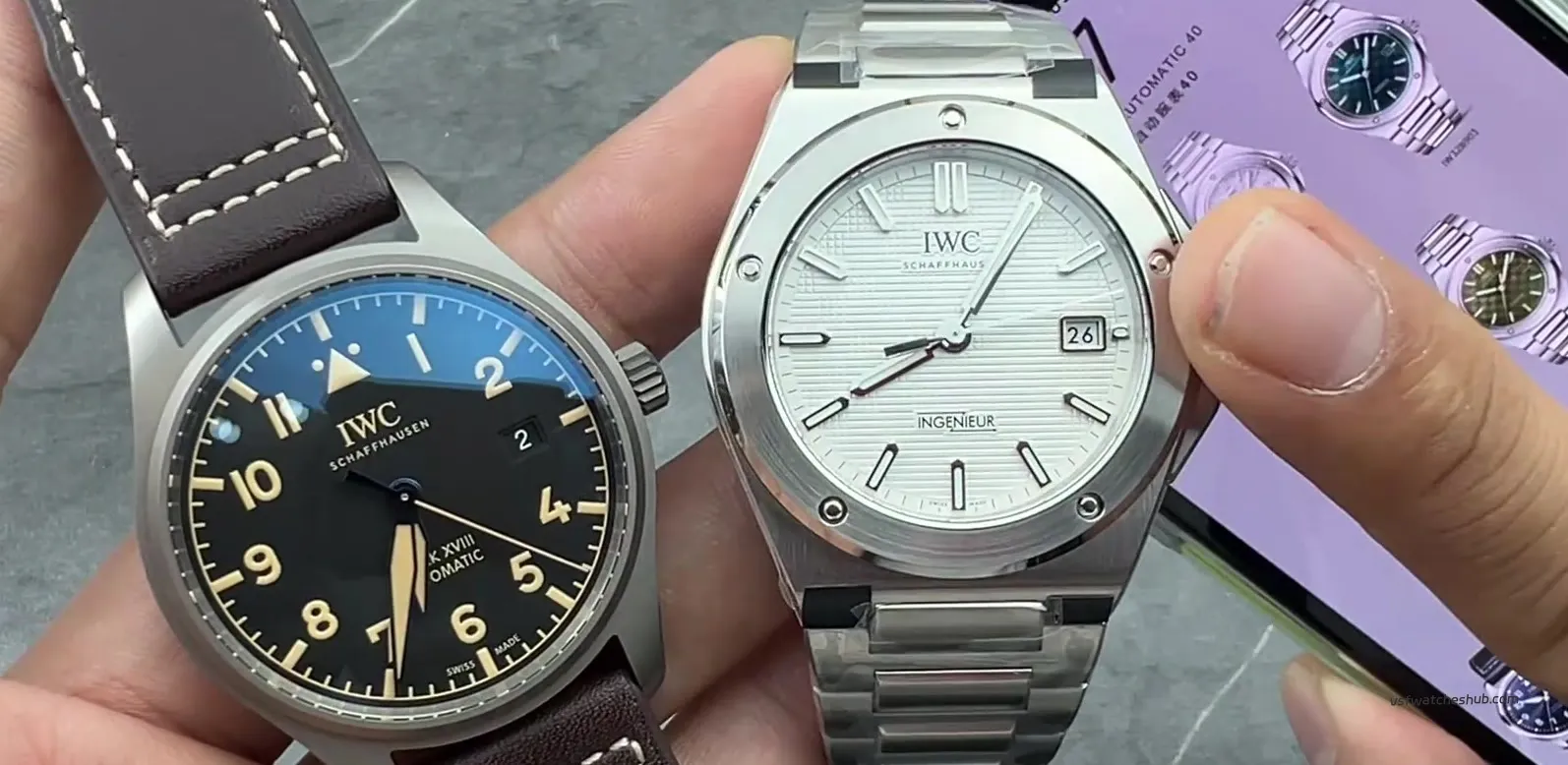
The Ingenieur is the model that suffered most. When V7 dropped off, the only option was GH. Later TW came in, and then MJ.
MJ actually does a decent job — I am not going to trash it, I have sold it. But put it next to a V7 dial and the difference shows up immediately. It is the dial detail. The case is fine, the bracelet is fine, the dial is where it falls short, and on an Ingenieur the dial is the watch.
If you want to see how many versions of this model have been floating around, our IWC Ingenieur collection has most of them listed by factory.
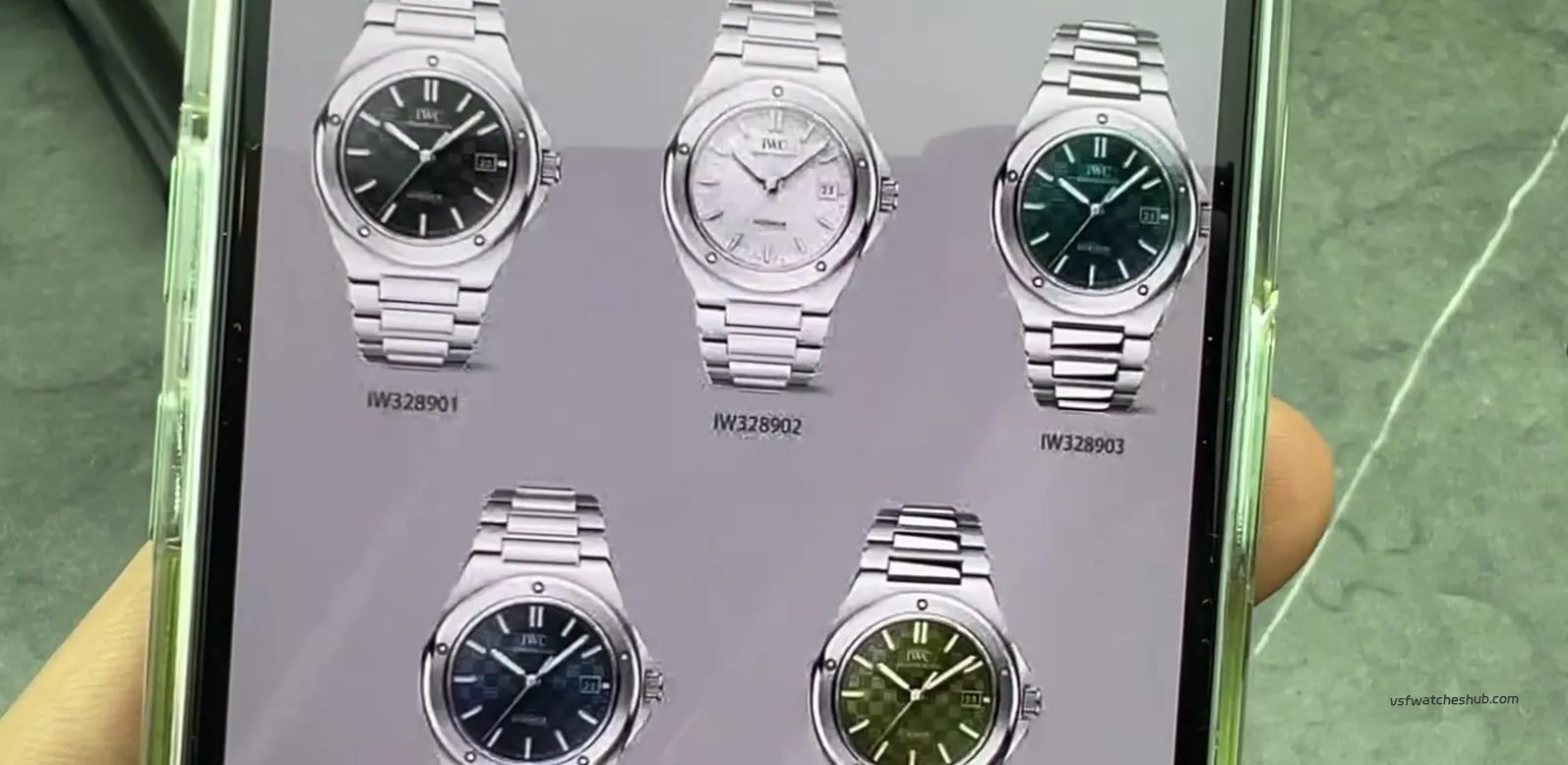
The white Ingenieur dial and what it does in sunlight
The white dial is where A7 earns the price. Zoom in on the grid texture and it holds up — the pattern stays sharp all the way to the edge, no mushy corners, no flattening where the light hits.
But the thing you cannot see in a studio photo is what happens outdoors. Under direct sun the dial throws off a flickering metallic radiance — the texture catches the light in bursts as you move your wrist, and it is obvious to the naked eye, not a macro-lens trick.
No other factory reproduces that. They get the pattern roughly right and stop there, because a flat reproduction photographs fine and most buyers never take the watch outside before they decide.
That is why I keep saying the Ingenieur was a hole in the market for two years, not just a shortage. The model existed. The effect did not.
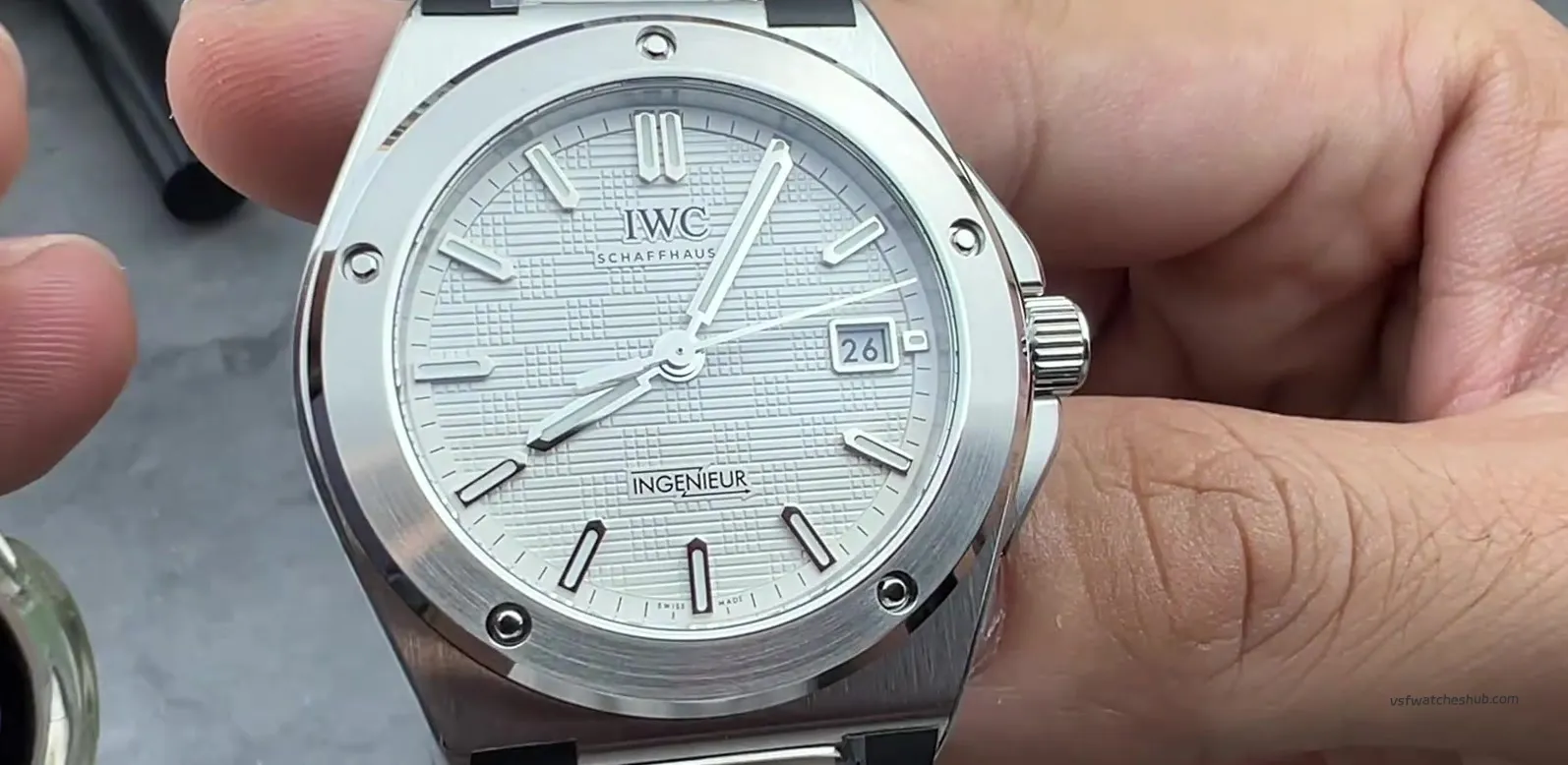
Five colours, and one of them I would skip
A7 is doing the Ingenieur in five: black, white, blue, lake blue and avocado green.
All five are worth buying, and I mean that — this is not a case of two good ones and three filler references to pad out the catalogue.
The blue is the exception, and I would rather tell you now than after your QC pictures arrive. The blue still runs slightly off against gen. Not badly off. But if you put them side by side you would see it, and some buyers cannot unsee that once it is pointed out. If you are not specifically set on blue, pick another colour.
Black and white are the safe ones — zero shade difference, and the two tones are tuned close to each other, so if you end up owning both they read as a matched pair rather than two watches from two batches.
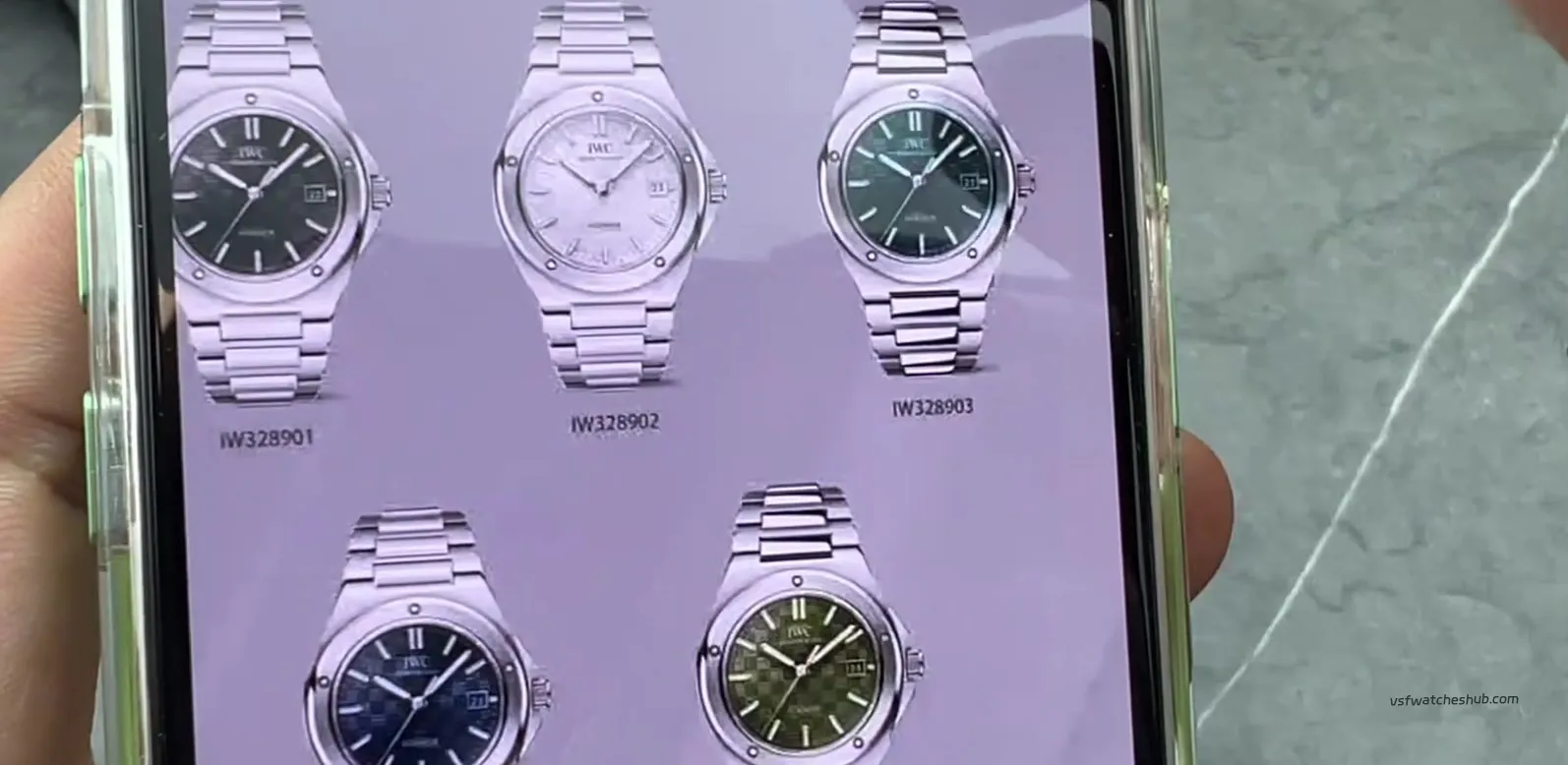
Mark XVIII and Mark XX
The Mark is the other model where I have always pushed V7, and that has not changed with the name.
Both generations are being made — Mark XX and Mark XVIII — and both run the 2892.
The competition here is MK, which uses the 9015. On paper that is an argument people enjoy having. In practice the movement is not what separates them. It is the QC, and MK does not hold V7’s line. I have had to send back more MK pieces than I would like to admit in public.
The practical difference between the two Marks is the strap system. Mark XX is quick-release. Mark XVIII is not. If you are the kind of buyer who owns four straps and swaps them by mood, that one detail decides it for you — and I have watched customers pick the Mark XX purely for that after handling both.
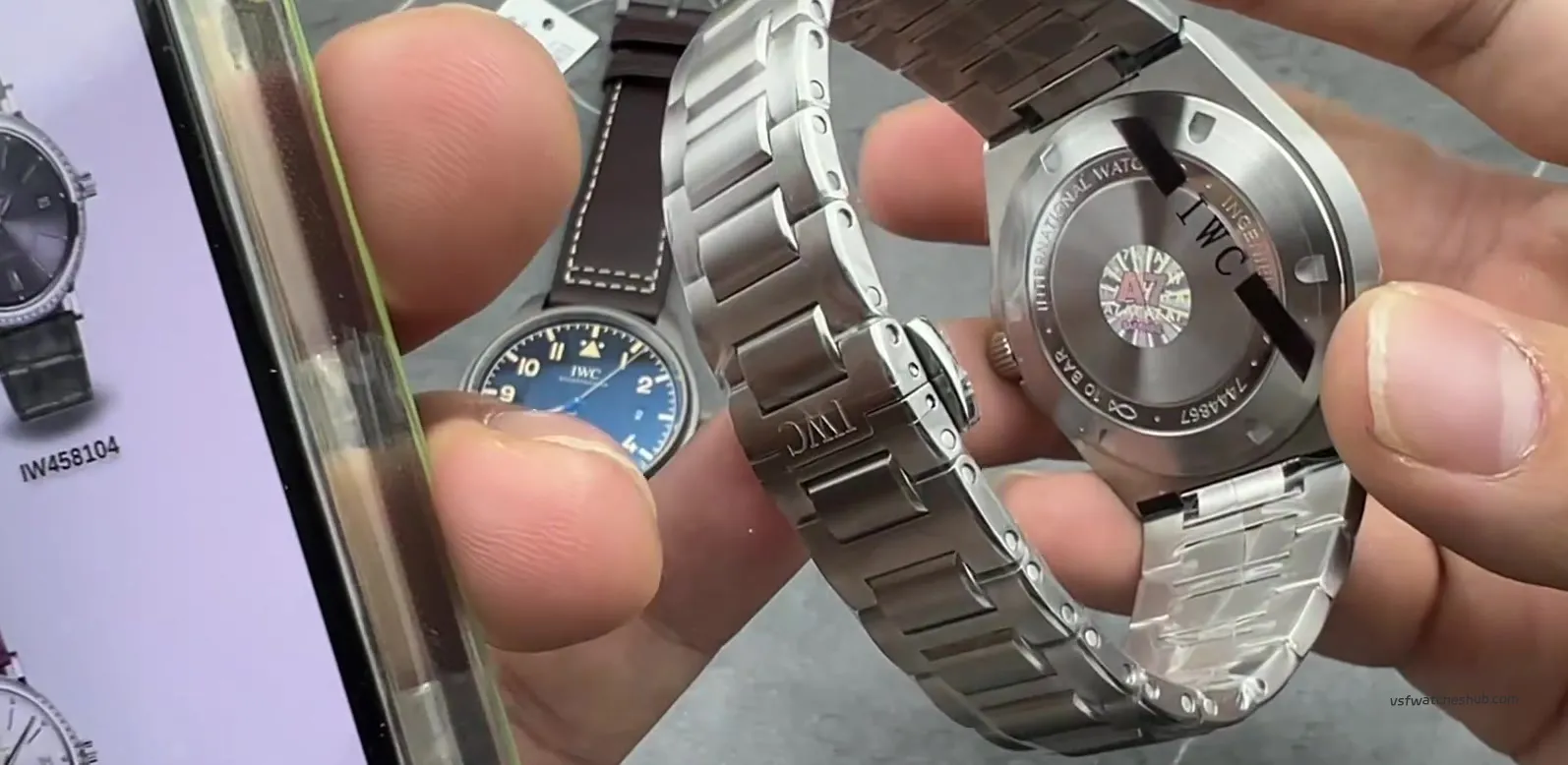
Beyond that, the choices are wide. Steel bracelet or rubber. Ceramic, in blue and black. And the Mark XVIII in titanium — full titanium, case and bracelet, which is noticeably light on the wrist and stays comfortable through a long day.
The titanium version is also the answer I give to anyone with a metal allergy. It comes up more than you would think, usually after someone has already reacted to a steel bracelet and assumed watches in general were off the table for them. Our full IWC Pilot’s Watches listing shows which references exist in which case material.
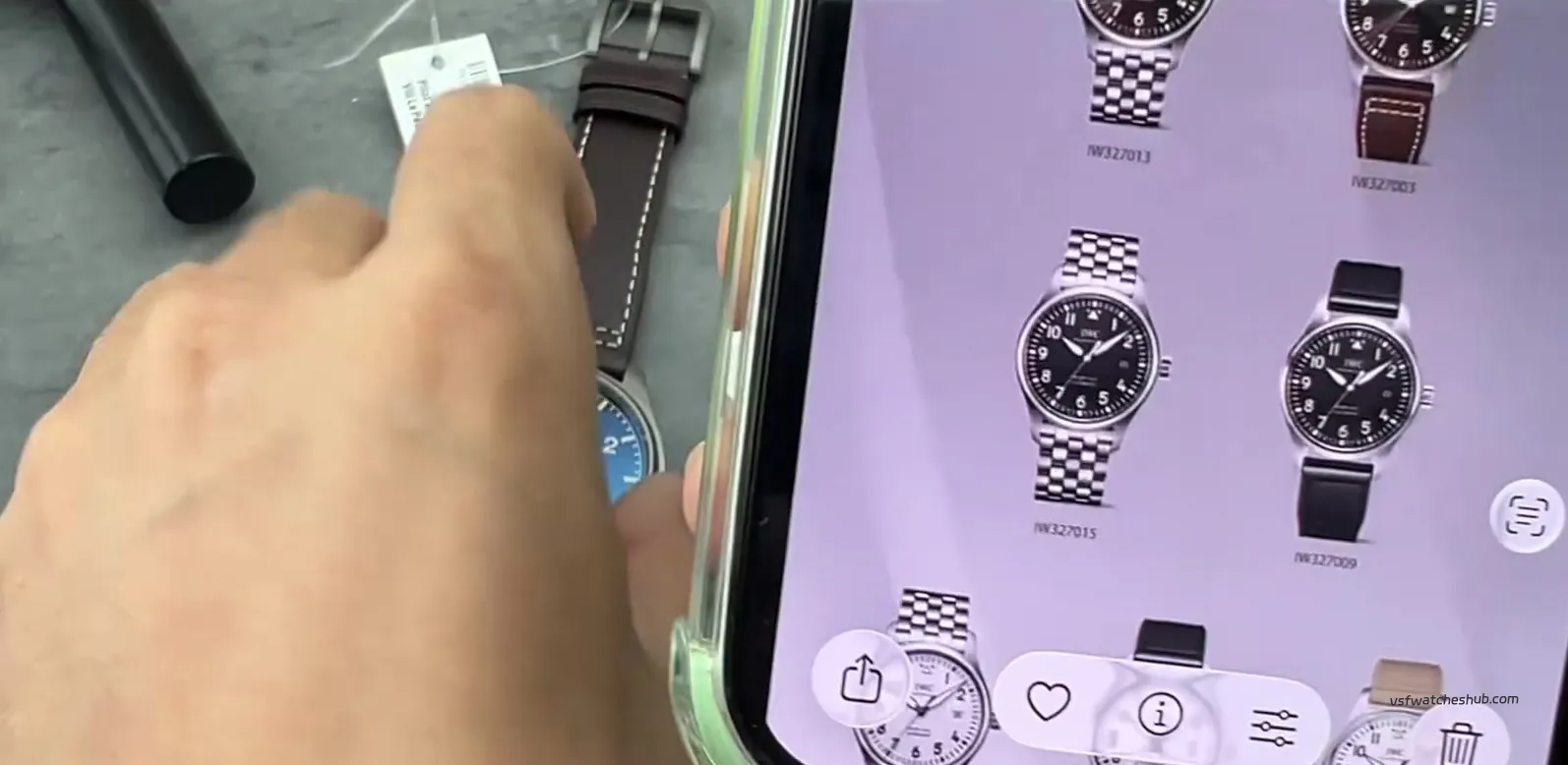
The Portofino is the one that built this factory
Here is the piece of factory history that explains everything else in this article.
The Portofino was V7’s first watch. Not one of the first — the first. They built the factory’s reputation on that model’s QC, and off the back of it they put down roots in IWC and stayed there.
The order went Portofino, then the Mark XVIII, then the Ingenieur and the Mark XX. Everything V7 is known for grew out of one dress watch that they got right.
And dress is the word. The Portofino sells to a different customer than the Mark does — people who want something thin and clean under a cuff, not a pilot watch. That audience is fussier about finishing than the tool-watch crowd, because there is nowhere for a flaw to hide on a plain dial. V7’s detail work is what kept them in that lane.
It runs the 2892 as well, which has been the stable choice on this model for years. Worth knowing: the Portofino is the reference where V7 first offered a Swiss-movement alternative, and that version is widely treated as first-tier in the replica market — more on that further down, because it applies to almost the whole line now.
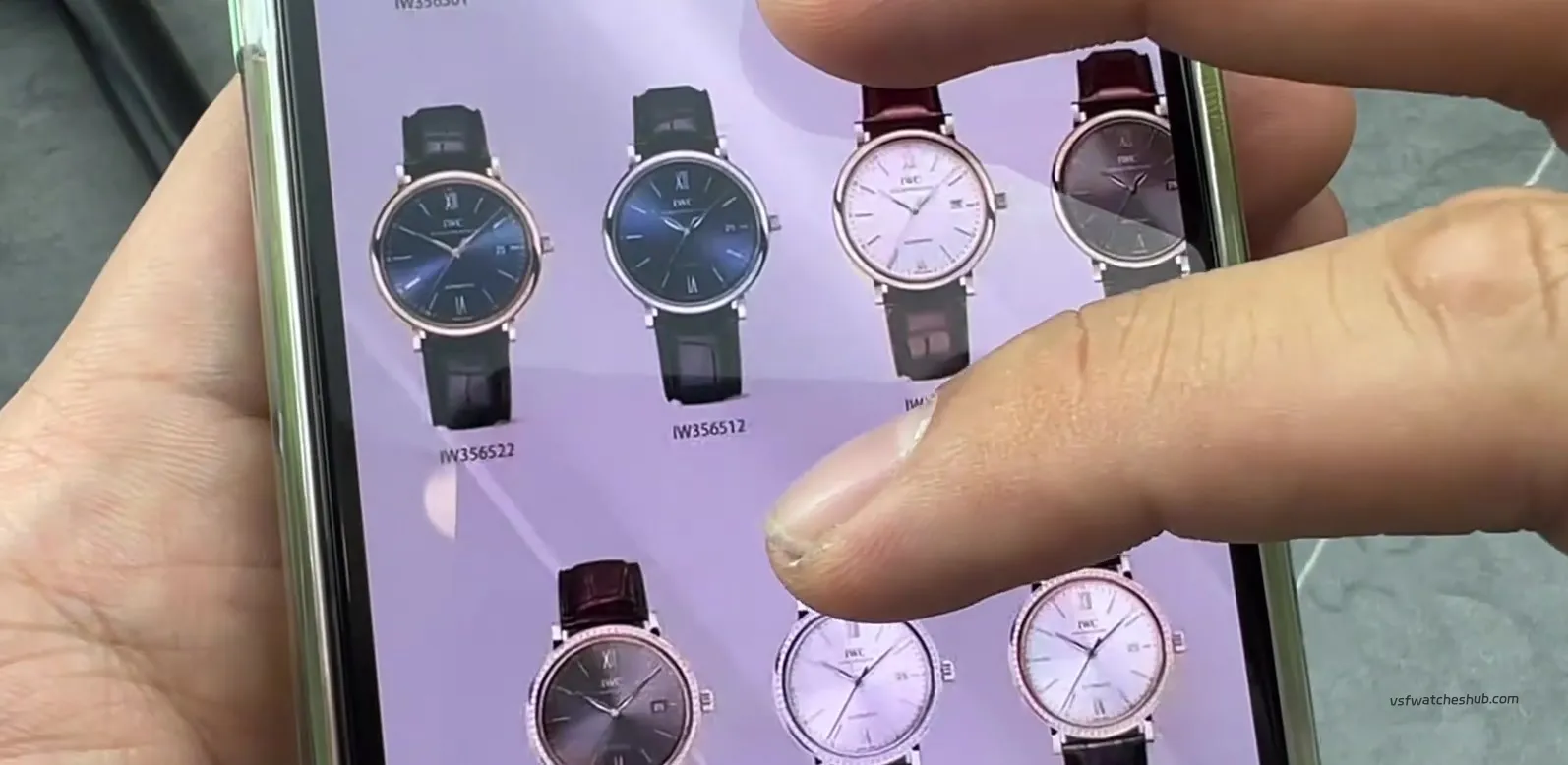
Rose gold is in production. So are the anniversary references, in white and blue. I would buy any of them — this is the model where I have the least hesitation recommending blind, and our V7 Portofino IW356501 is the one I still reach for as the reference point.
The pilot chronograph, a slow seller on its way out, and the 37mm
A7’s pilot chronograph is available on steel bracelet, on leather, and in rose gold. The leather version is the one I would look at twice before ordering — a chronograph that size carries differently on a strap than it does on a bracelet, and people underestimate that until it arrives.
There is also one slower-moving series that is likely being discontinued. What stock exists now is being cleared, and once it is gone they are not making it again. If it is the one you want, the window is now — not in a “limited stock” marketing sense, in the sense that the tooling goes quiet.
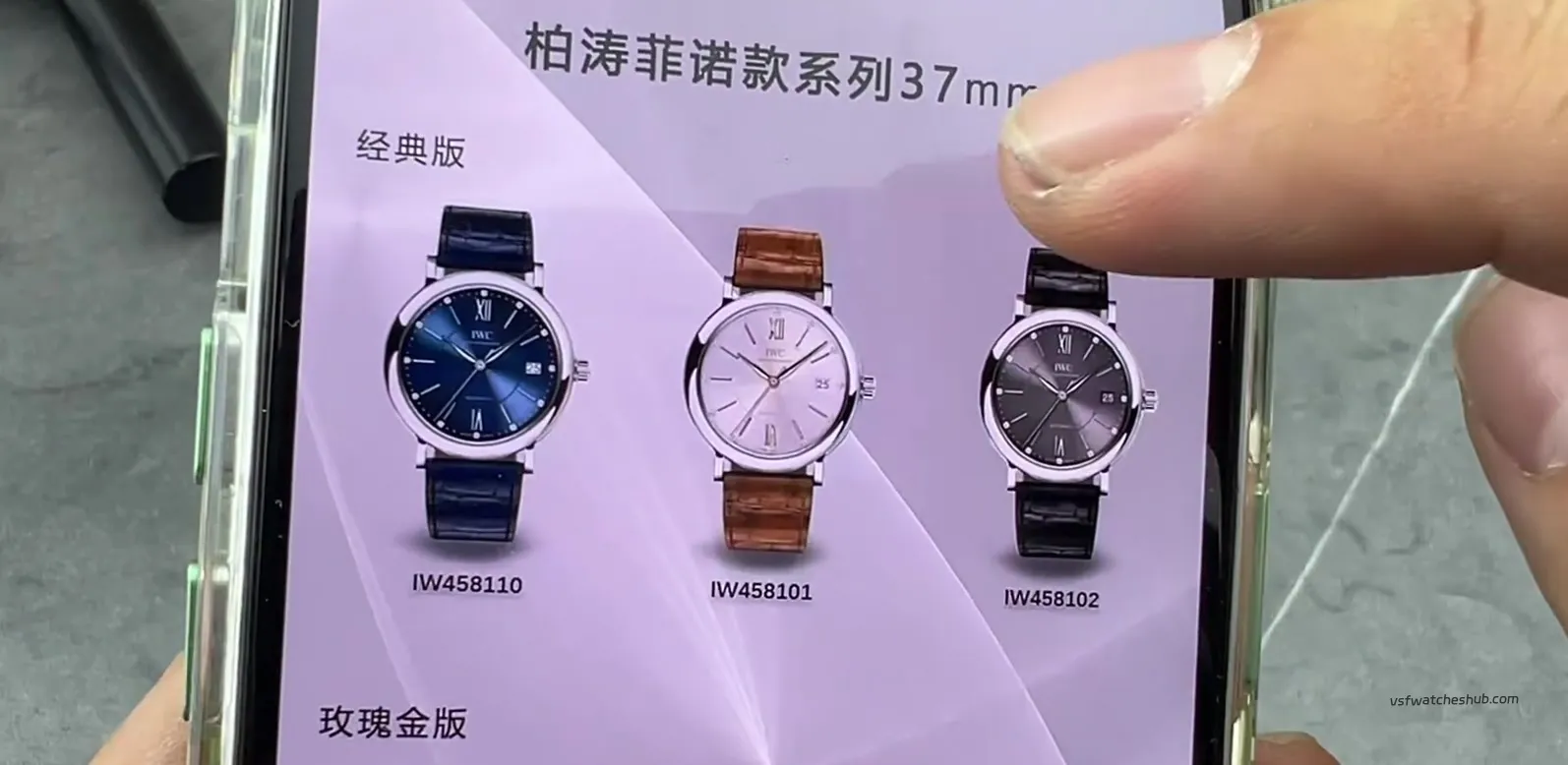
On the ladies’ side, the Portofino comes in 37mm, including a diamond-bezel version.
2892 or the Swiss SW — what you are actually paying for
Across the IWC line, basically any reference running the 2892 can also be ordered with a Swiss SW movement instead. It is the same watch, different engine, and it costs more.
My honest read, after selling both versions: you do not need it.
The reason is not that the SW is worse. It is not — it is more stable, it holds up longer, you will get more years out of it. The reason is the caseback. These references are mostly solid-back. You cannot see the movement. Nobody at dinner is seeing it. You are paying a premium for a component that lives permanently inside a sealed case.
And the 2892 in these is genuinely stable. This is not a compromise movement people tolerate; it has been running in V7 IWCs for years, which is the whole reason the factory kept using it.
So: if the budget is there and you want the better movement for its own sake, take the SW, no argument from me. I stock the Swiss-movement Portofino for exactly those buyers. But if you are deciding between the SW version and putting that difference toward a second watch, buy the second watch.
The rest of the line, and the two-tone question
A few other series are in production too, and this is another area where A7 is simply the best option available. The alternatives are TW and a scattering of small factories, and those are average work — fine if nothing else exists, not fine now that something else does.
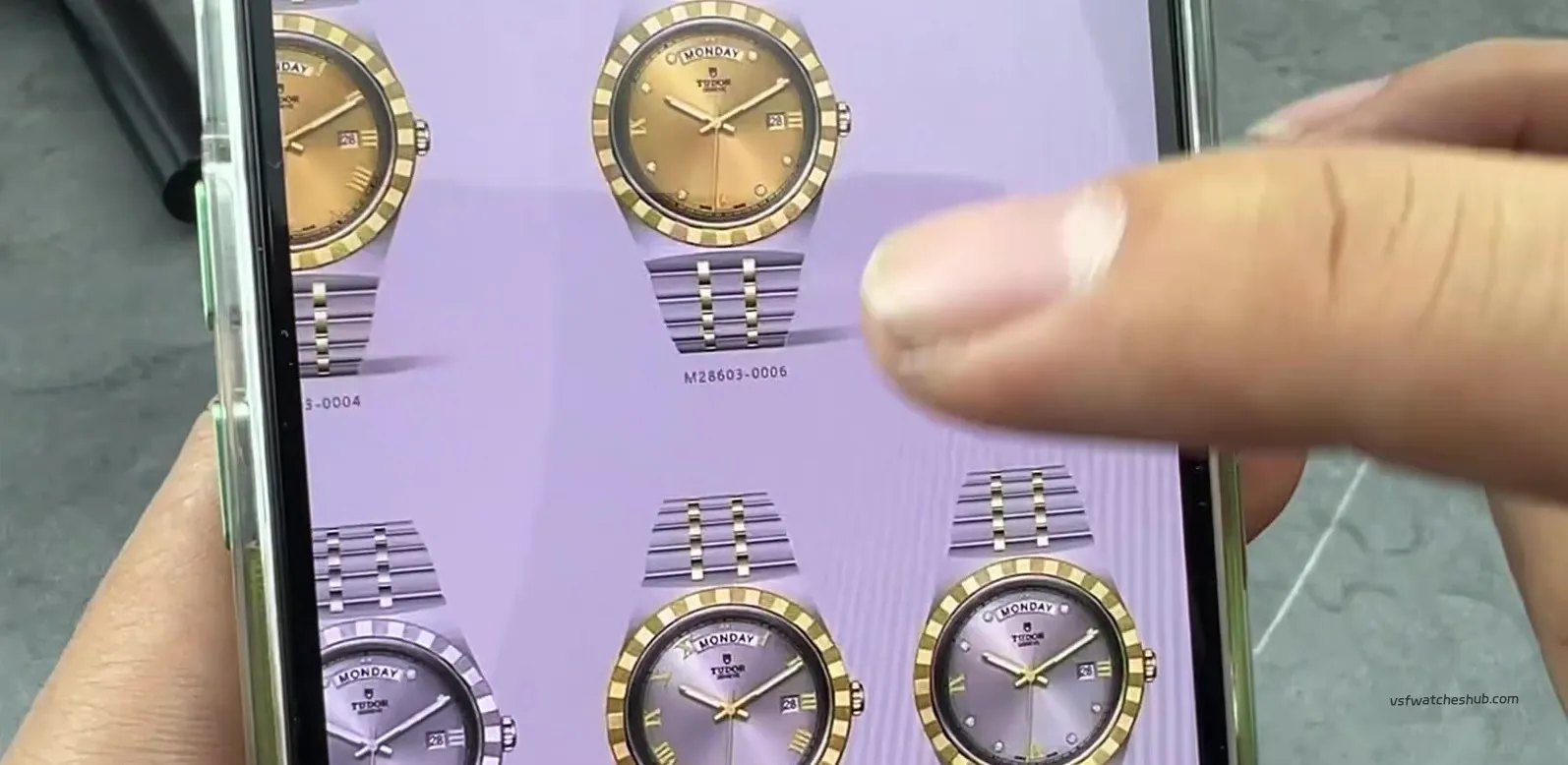
Two-tone is also being made. I will be blunt about who that is for, because guessing wrong on this one is expensive: two-tone does not read young. It sits better on someone in their thirties and up. Buyers in their twenties tend to order it off a photo, wear it twice, and quietly move it on.
The racing chronograph nobody orders
Then there is the classic racing chronograph. V7 is the only factory making it — everyone else’s attempt is distinctly average.
The catch is inside. It runs the 7750, and the stability on that is not what the 2892 gives you. There is a supply problem behind it as well: 7750 blanks go out of stock regularly, sometimes for months, while 2824, 2836 and 2892 are always available. That is a real constraint on how many a factory can commit to building, not a detail.
A few colourways exist. But the model is very cold — almost nobody picks it. I have sold a handful, ever. Realistically V7 clears the remaining stock and lets it go, same as the other slow series.
I am including it here anyway, because if it happens to be the one watch you have been hunting, you now know two things: this is the only version worth owning, and it is not going to be around indefinitely.
The ladies’ Royal Oak in quartz
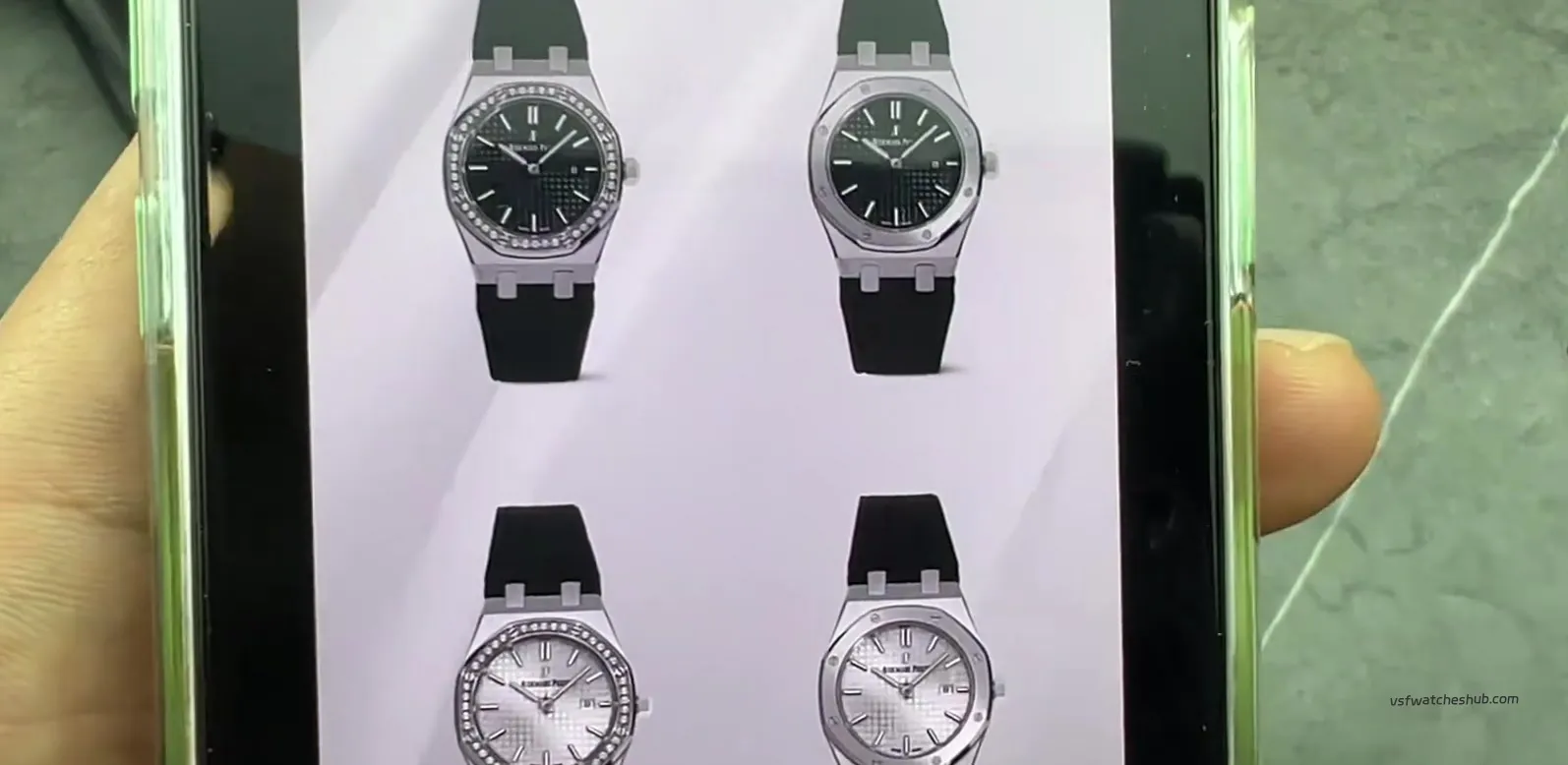
Last one, and it sits outside IWC entirely: the ladies’ Royal Oak in 34mm, running quartz.
Quartz puts some buyers off on principle. Set that aside and look at the work, because the finishing and the build quality here are good, and the QC is genuinely solid — which on a Royal Oak case, with that bracelet, is not a small thing to pull off at 34mm.
Why they disappeared, and what you can order now
The models V7 used to make are open for preorder again — Portofino, Mark, Ingenieur, the whole core.
If one of them is on your list, I would order it without agonising over the decision. The QC and the detail work speak for themselves once the watch is in your hand, and V7 spent years in this market building exactly that reputation before they vanished.
Which brings us to why they vanished. It was not a business failure, and it was not a quality collapse. It was the crackdown. The factory went on an involuntary two-year holiday, the way several others did in the same stretch. Now they are back under a new name — A7 — with the same people and the same tooling.
Whether the name lasts is anyone’s guess. The watches are the same ones, and that is what I care about.