Trusted VS Factory Agent · 1:1 Super Clone Watches

Super Clone Rolex vs Regular Replica: What the Extra $400 Buys
The term “super clone” gets thrown at everything now, so let me draw the line where I actually draw it when I’m deciding what goes into my warehouse.
Regular replica: $150 to $250. Super clone Rolex: starts at $450, runs to $1,100.
That gap is not branding.
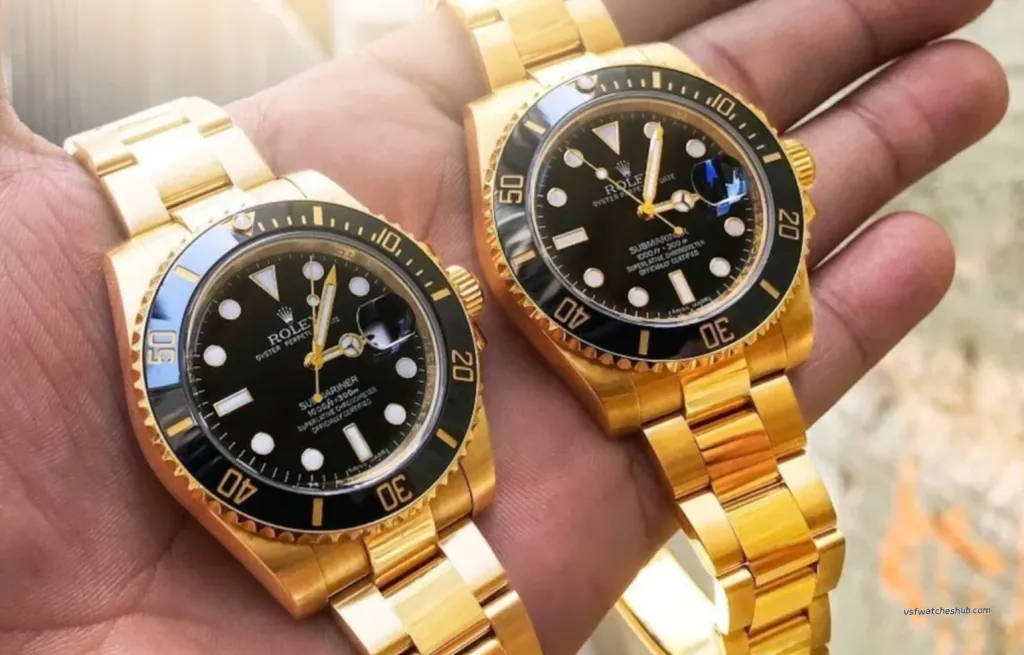
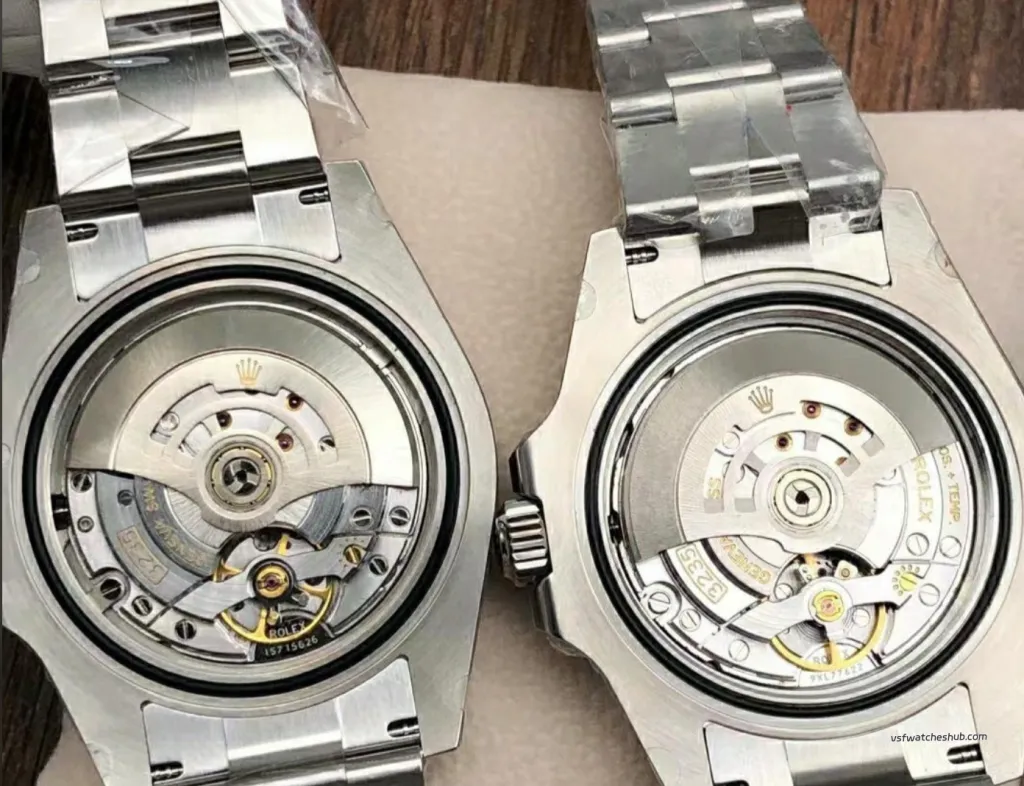
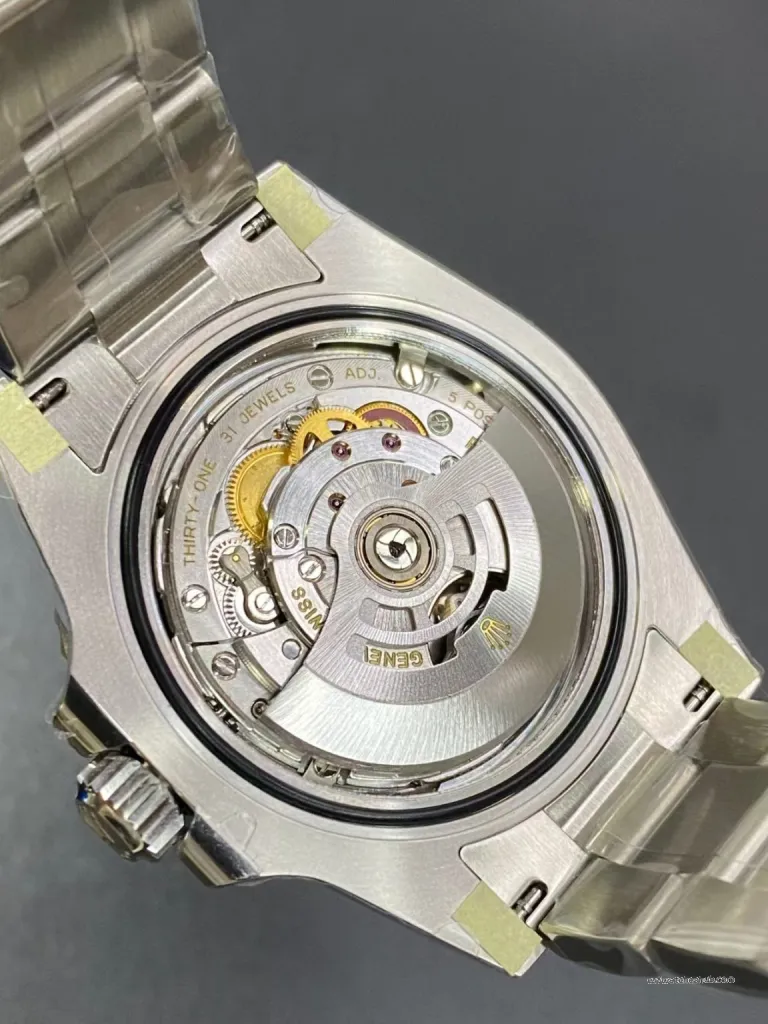
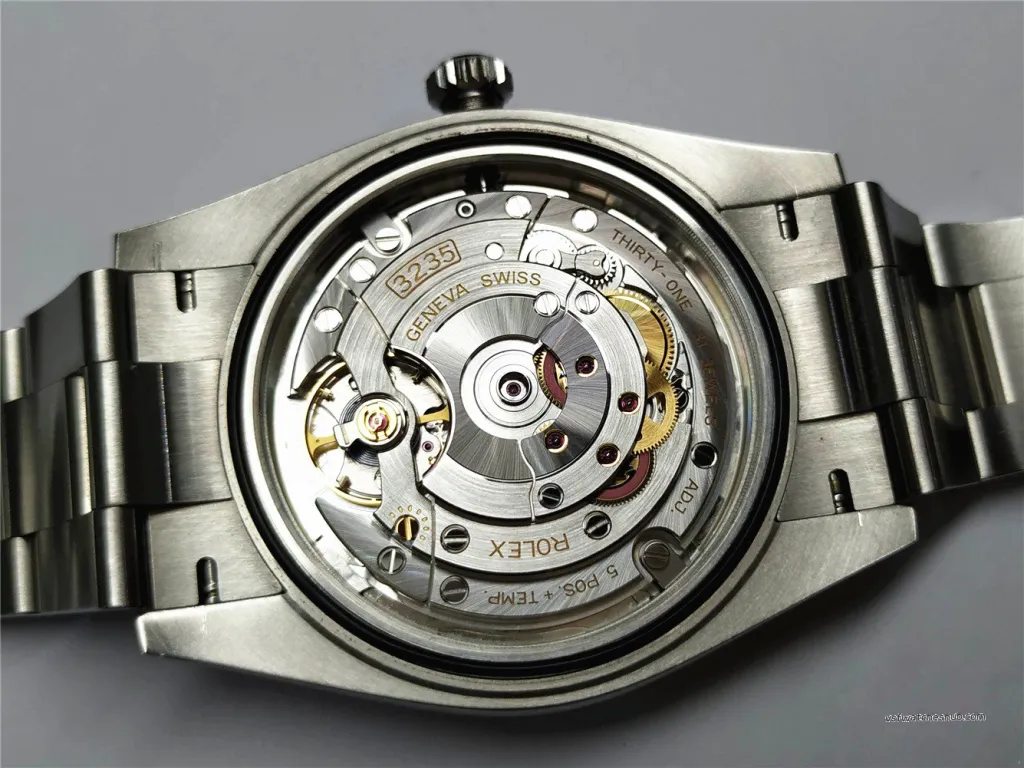
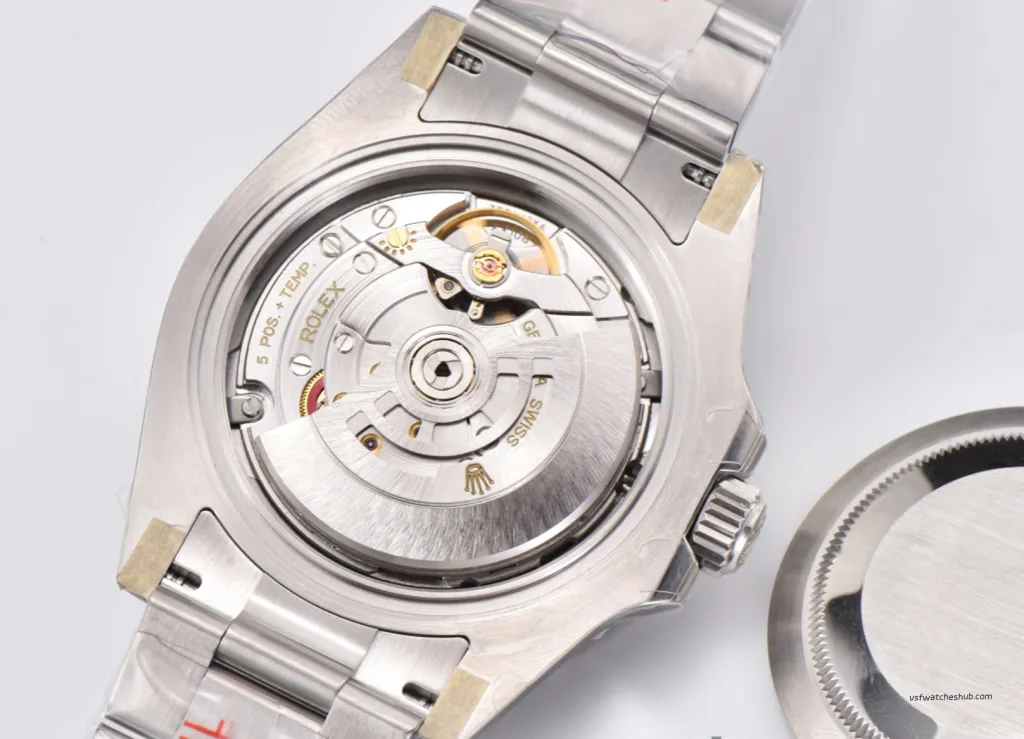
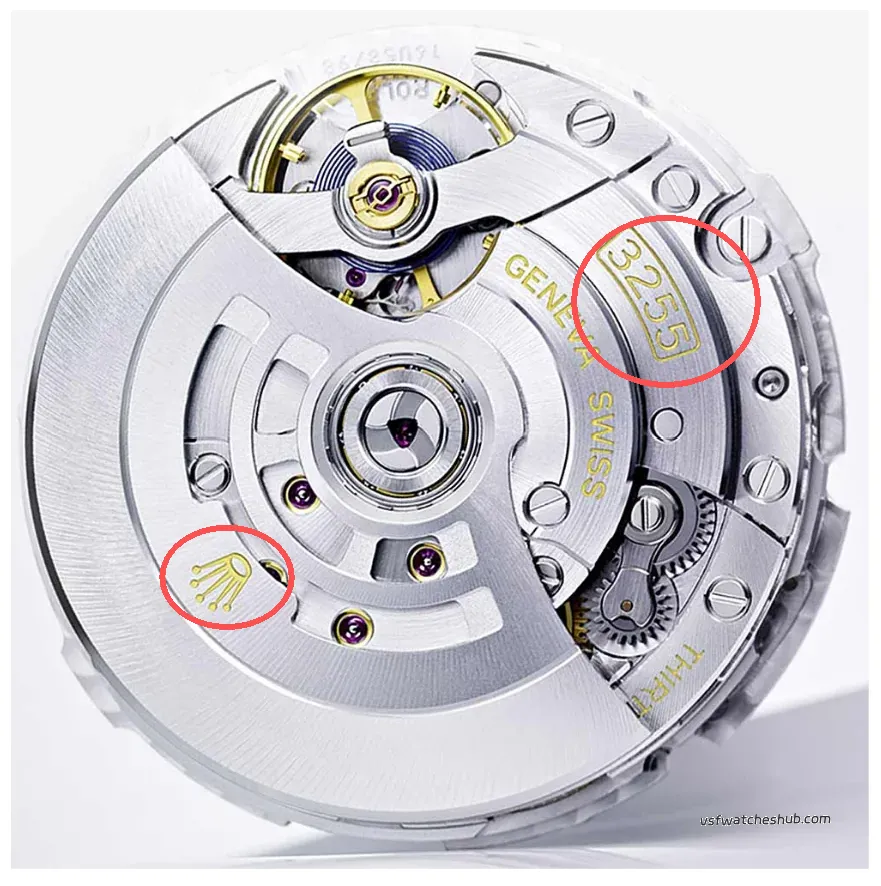
Biggest line item? The movement. A regular replica runs a generic automatic — usually a Miyota derivative — dressed up to look right through a display back. A super clone runs a cloned caliber: same bridge layout, same rotor position, same winding architecture as the Rolex movement it copies.
The best ones come out of Dandong. You’ll see them written as DD3235, VS3235, or just Dandong 3235 — all the same movement, different naming habits. DD is the pinyin abbreviation for Dandong, VS is the factory prefix.
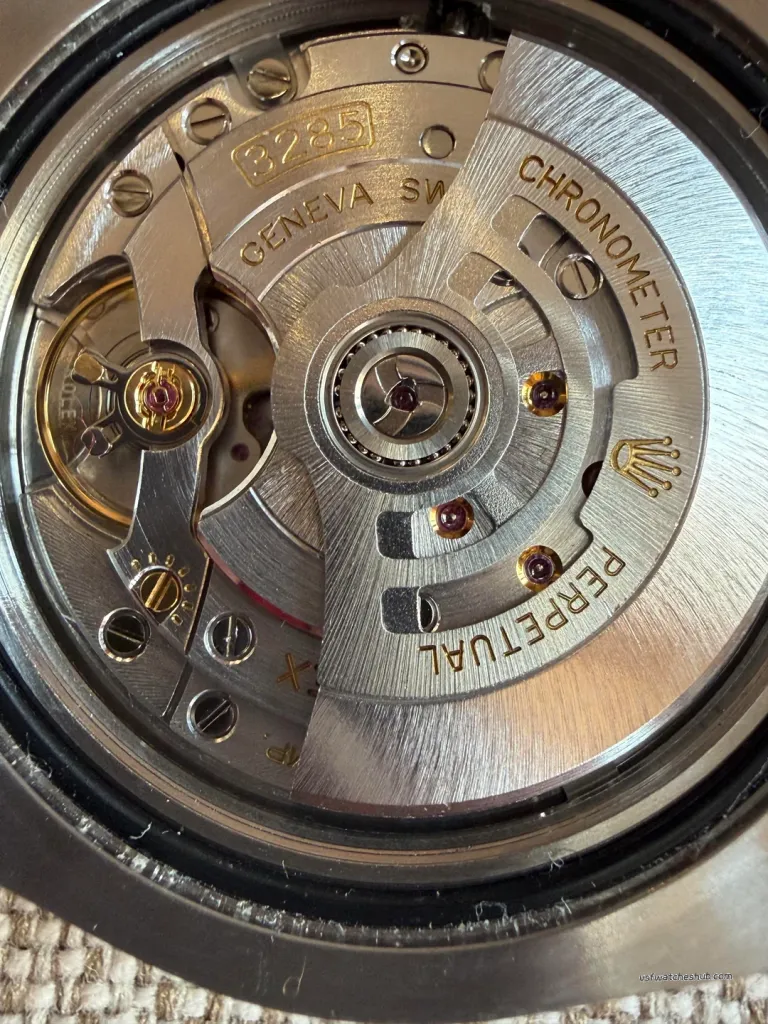
The DD3235 holds about 70 hours of power reserve, matching the genuine 3235. That number matters more than people realize. Take the watch off Friday night, it’s still running Monday morning. A generic movement dies at 38 hours and you’re resetting it before work.
Here’s the part nobody advertises: there are two clone families, not one. Dandong movements carry DD or VS prefixes. Shanghai movements carry SH — and Clean Factory and VR Factory both run Shanghai calibers. VR’s “VR3235” isn’t in-house at all, it’s a purchased SH3235 with roughly 60 hours of reserve.
Two families. Not interchangeable.
Beyond the movement, you’re paying for 904L steel instead of 316L, fired ceramic instead of painted aluminum, and sapphire with proper anti-reflective coating. Each one adds cost at the factory and each one is a thing you’d notice within a month of wearing.
Service life is the other number worth having. Customer feedback over the years puts DD3235 and DD3230 past five years, DD4130 and DD4131 in the same range, and the older DD3135 at four-plus. No factory publishes lifespan data — anyone quoting you an official figure invented it.
One thing that doesn’t come with the price, no matter what tier you buy: manufacturer service. There’s no warranty network, no parts counter to call. Factories sell complete watches, not components, with rare exceptions through specialty parts dealers. Anything that goes wrong comes back through your dealer or a local watchmaker willing to improvise.
The number I care about most, though, is the one from my side of the counter: return rate. Out of the last 50 VSF pieces I shipped, two came back — one strap swap request, one wrist-size mismatch. Zero mechanical failures. That’s roughly the 1% I quote every new client, and it’s why I stopped carrying certain factories entirely.
Nobody wins when a watch comes back.
The Rolex Models With Mature Super Clones Right Now
Not every Rolex reference has a super clone worth owning. Maturity depends on two things — whether the right caliber exists, and whether the case tooling has been through enough revisions. Here’s where things actually stand.
Submariner 41mm and 40mm — the most mature line by a wide margin, and my best seller. The green-bezel 126610LV Starbucks pulls ahead of everything else in the catalog. VSF is on their V4 ceramic bezel for that reference now, and the tooling has had years to settle. I went through it in detail in my 126610LV Starbucks review.
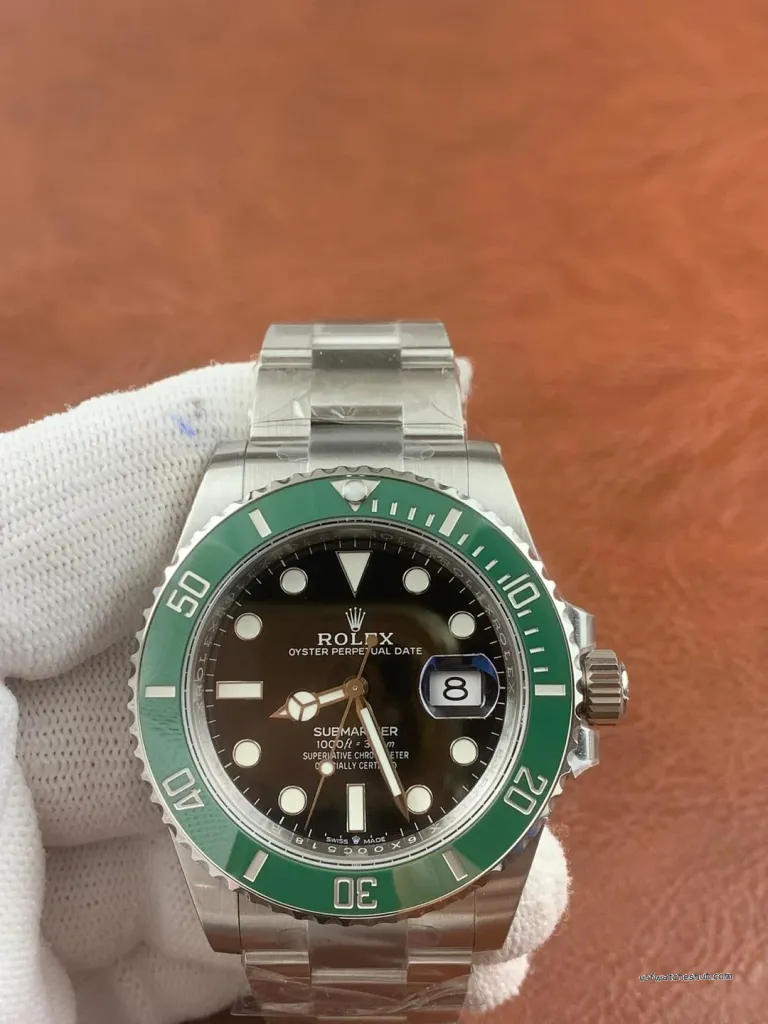
Worth understanding the generations here, because “green Submariner” covers four different watches and buyers mix them up constantly. Real talk: had a client from Austin last November email me twice before he ordered, once asking why “his friend’s green Sub looks different” — turns out his friend had a Gen 2 from 2015 and he was buying Gen 4. Same nickname, wildly different watches.
Gen 2 ran through the 2010s — 40mm, green dial, 3135 movement, and the first with a ceramic bezel. It was the definitive one for a decade.
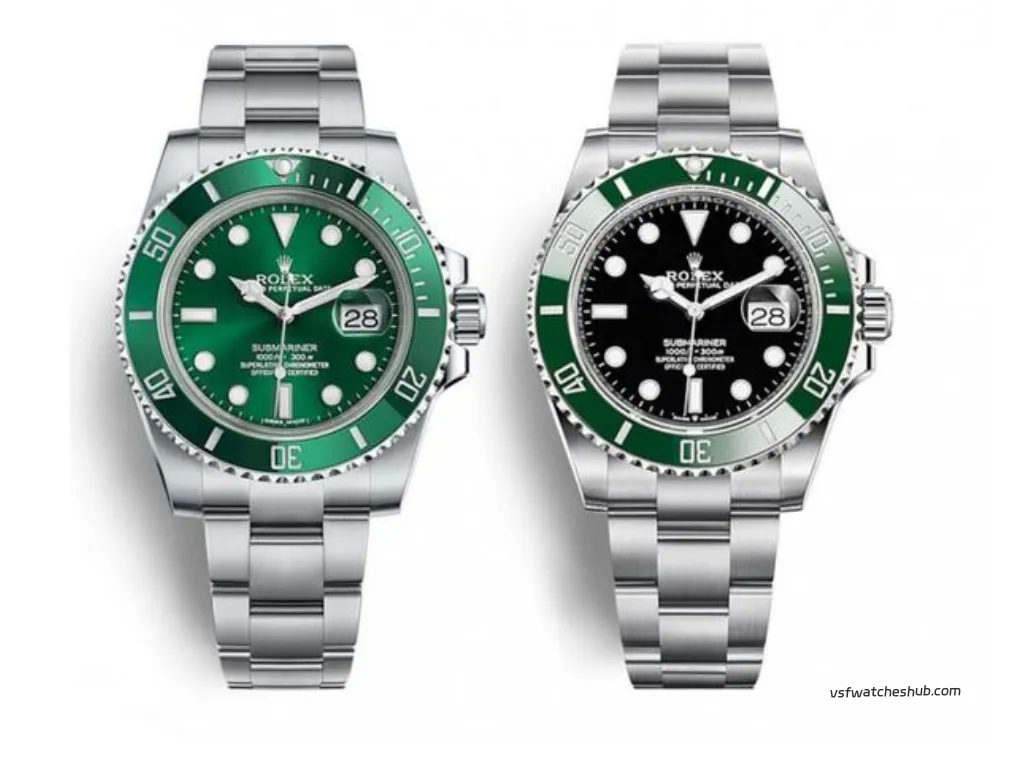
Gen 3 arrived in 2020: case grew to 41mm, dial went back to black, movement stepped up to 3235 for the longer reserve. Bezel colour stayed the same as gen 2. Gen 4 came in mid-2023 and the only meaningful change is the bezel — lighter and more vivid, closer to a grass green than the deeper shade before it.
That bezel shade is the single thing buyers argue about, and honestly, it’s a preference call rather than a quality one. If you learned this watch from photos taken before 2023, the newer green may read as too bright to you. Ask which generation you’re being sent — a seller who can’t answer that isn’t handling the product closely.
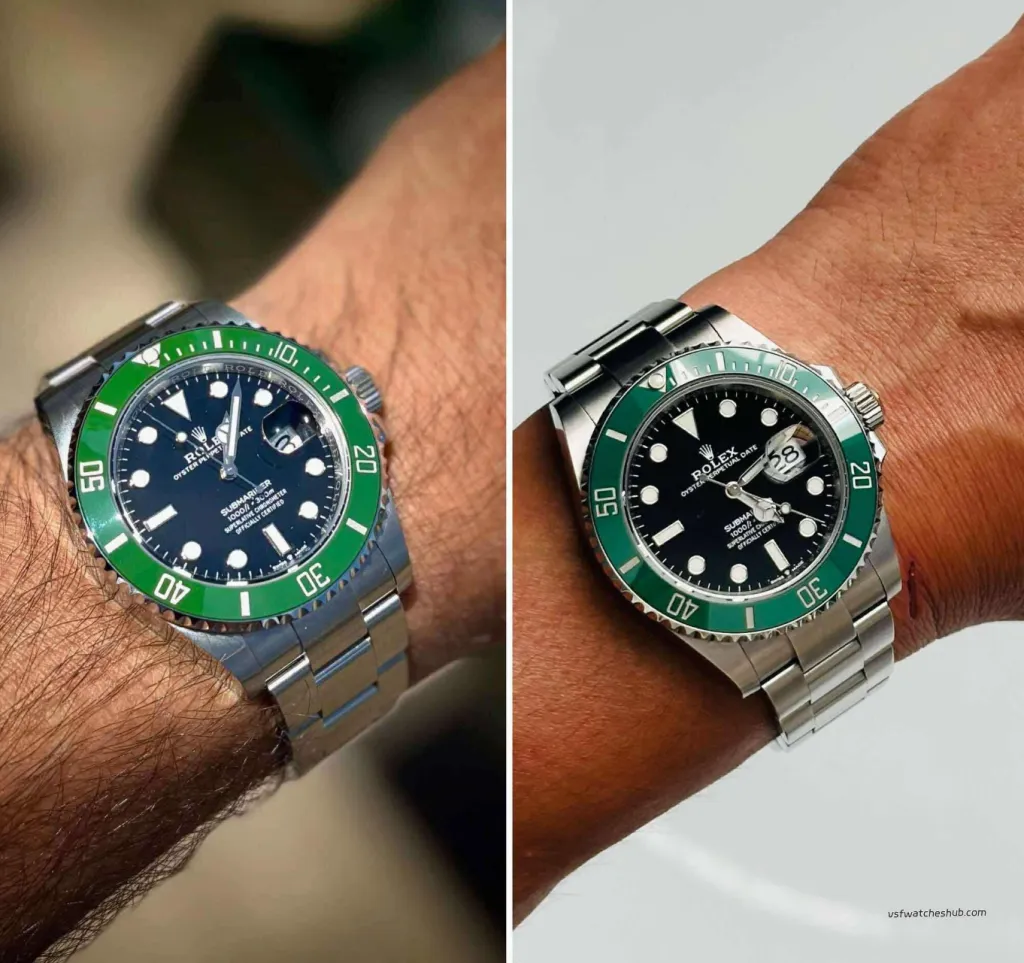
The black 126610LN is the other half of that story — arguably the safer first purchase because the colorway draws less attention. Same DD3235 inside, same case. If you want the full teardown on that one, my 126610LN breakdown covers it reference by reference.
Then there’s the 124060 no-date, and it deserves its own paragraph because of the movement. VSF built the DD3230 specifically for date-free references, and they solved something that had bugged collectors for years.
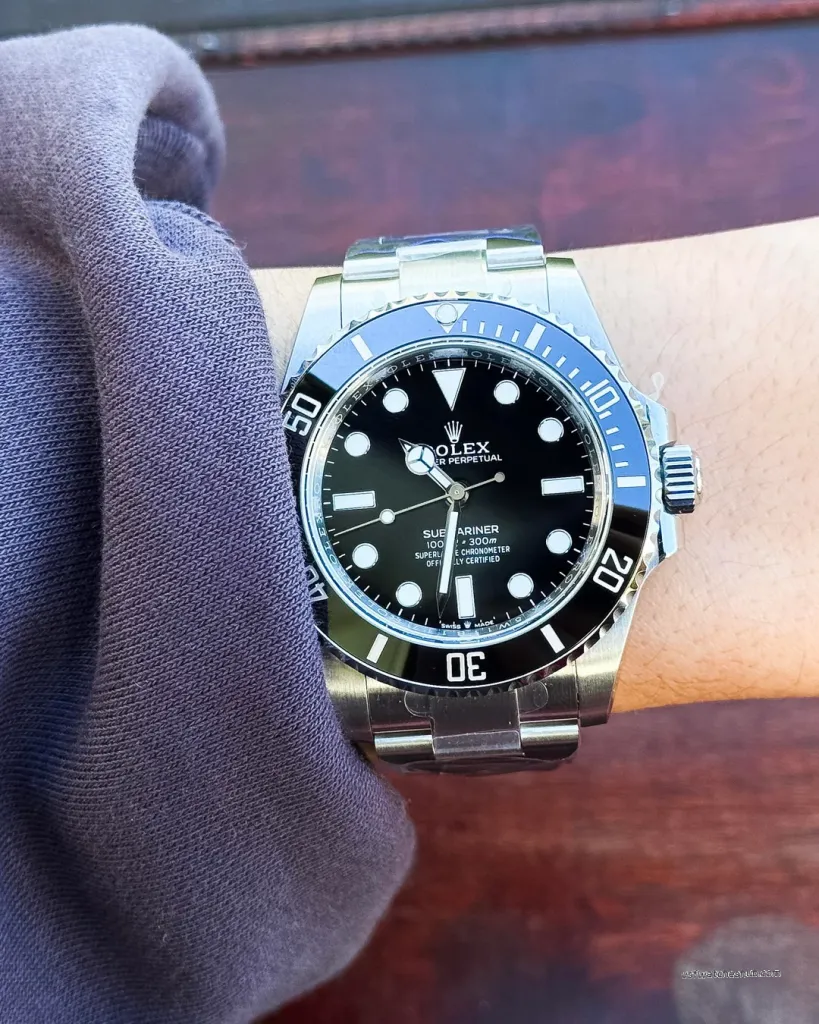
Older clone movements kept a dead date position even in no-date watches. You’d pull the crown and the first stop did nothing — the genuine 3230 has no such position. VSF removed it. Crown out, straight into time-setting, exactly like the real thing.
Small detail. Separates a clone from a copy.
More on who should buy it in my 124060 first-time buyer guide.
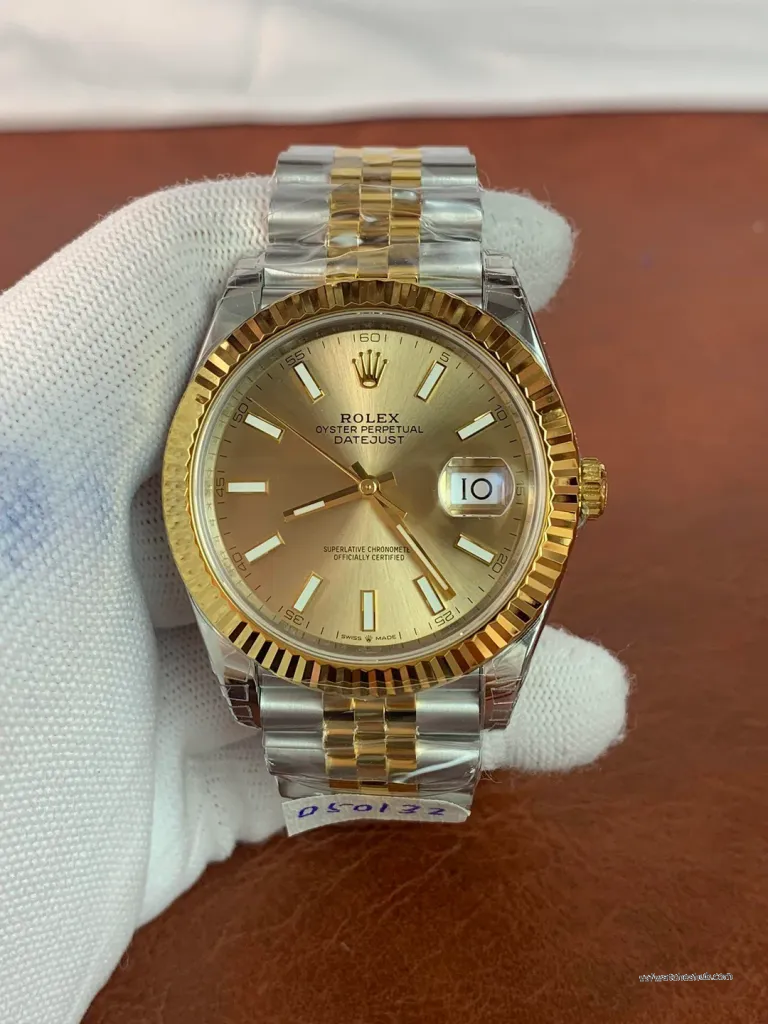
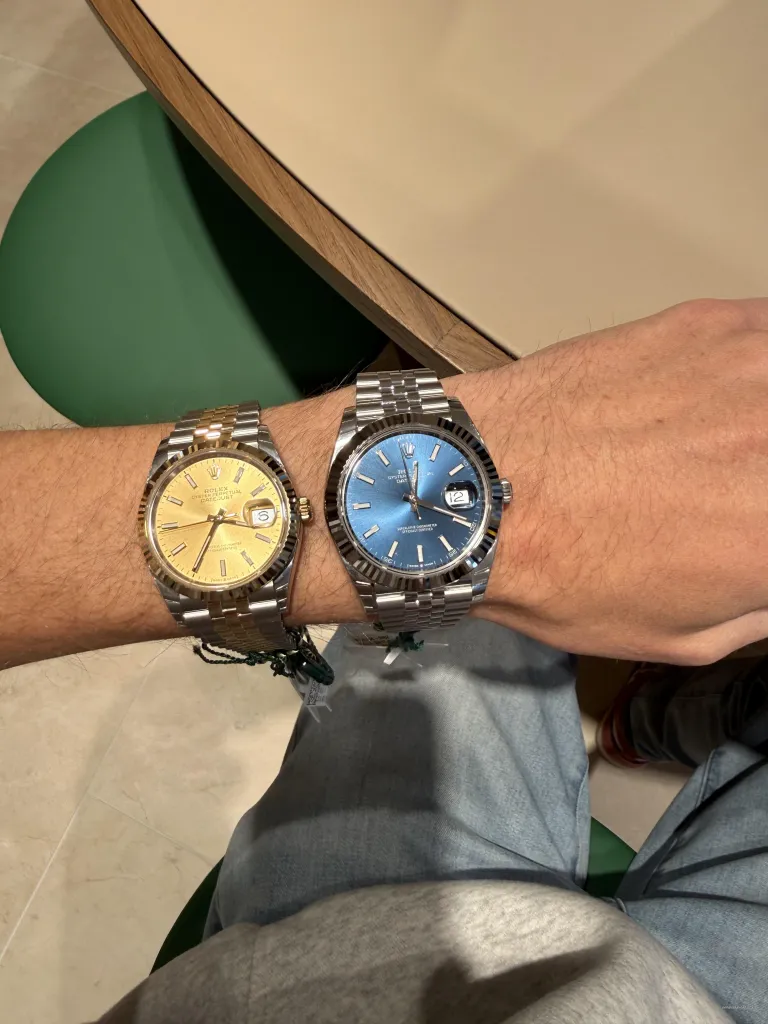
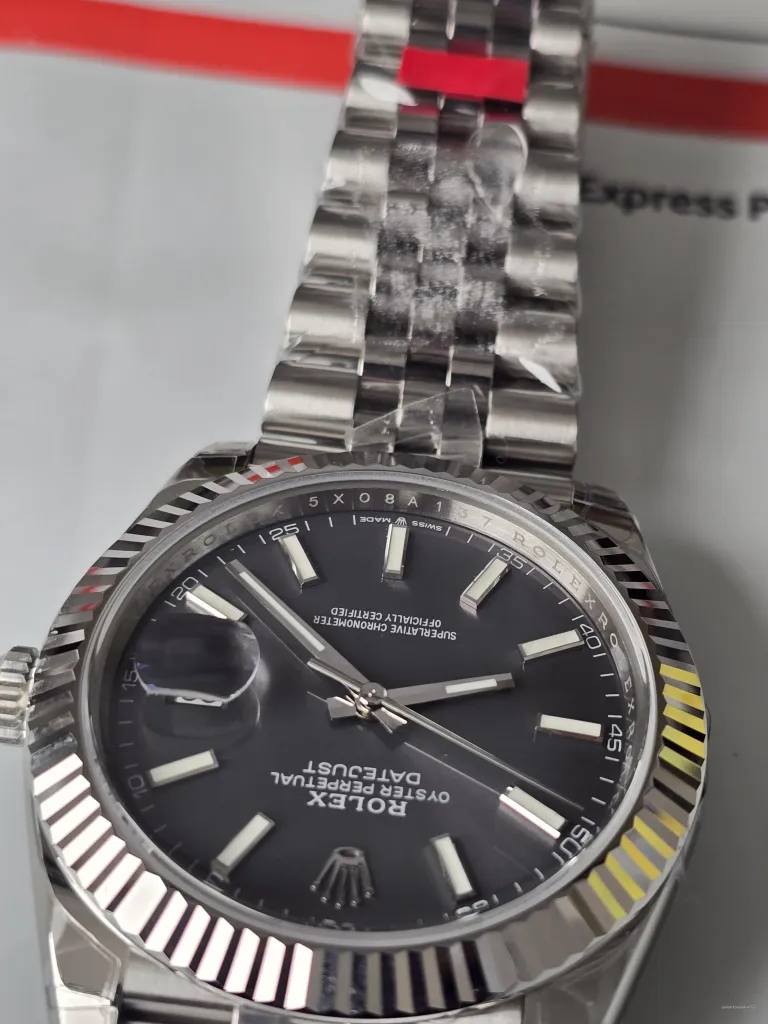
Datejust 41 is my number two by volume. The 126334 family with fluted bezel and diamond indices moves fastest — the diamond configurations outsell plain markers by a wide margin. DD3235 again, same reliability profile as the Submariner.
Two-tone Datejust is where things get interesting, because VSF isn’t automatically the answer. ARF has a strong two-tone DJ41, and depending on which dial you want, it can be the better buy. I laid out the head-to-head in my ARF vs VSF Datejust 41 comparison — note that ARF now operates under the name W Factory (WF) after a shakeup in June 2026.
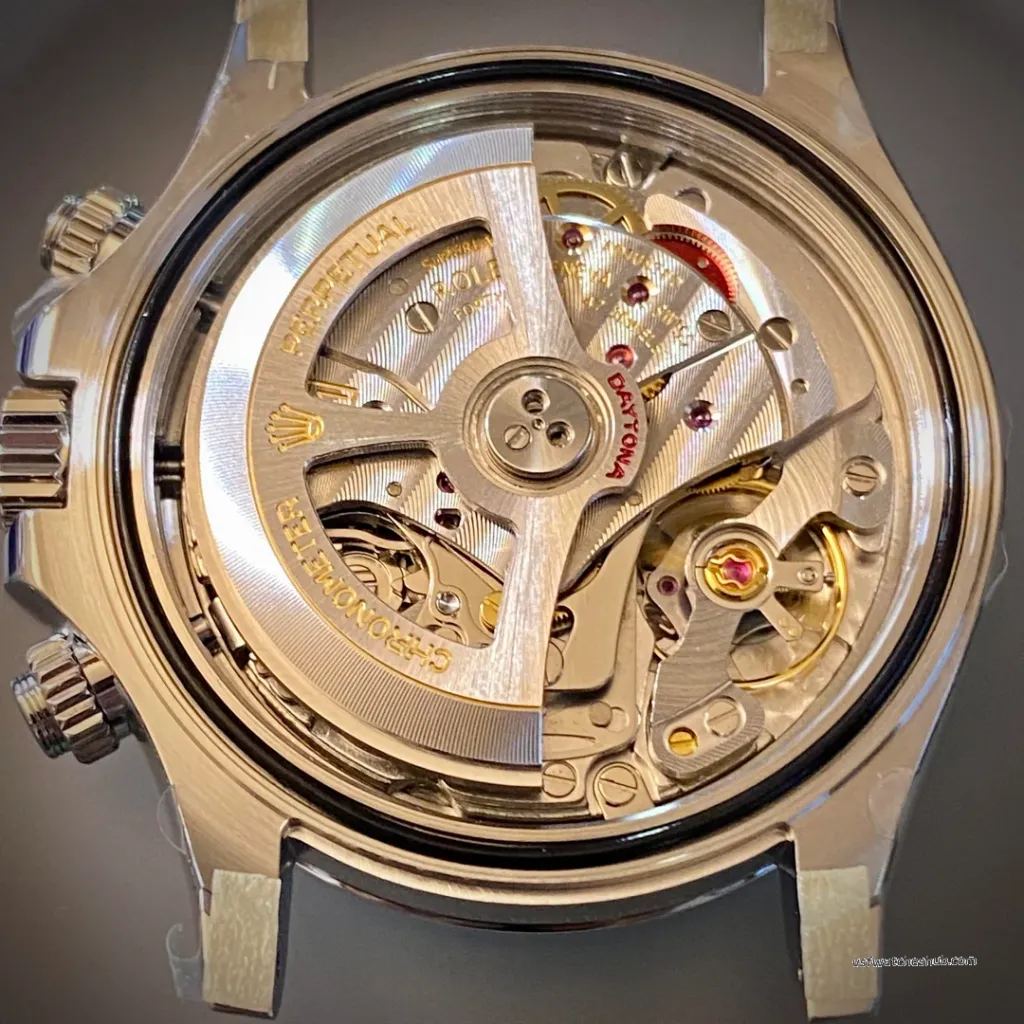
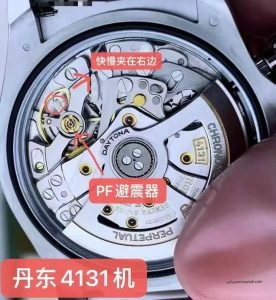
Daytona is the top of the price range at $800 to $1,100, running DD4130 or the newer DD4131. It’s the most complex movement VSF makes and the one most often faked by sellers claiming VSF while shipping something else. My Dandong 4131 identification guide has a five-photo cheat sheet for checking what you actually received.
Between us — I’ve watched two “VSF Daytona” orders arrive at customers’ doors this year with something else inside. Both from sellers who couldn’t produce a caliber name when pressed.
Day-Date 40 sits in an odd spot — mature, but a quiet seller. Most of my Day-Date buyers already own a Submariner from me. Runs DD3255 with a tungsten counterweight on the precious-metal configurations, which I unpacked in the Day-Date 40 V2 writeup.
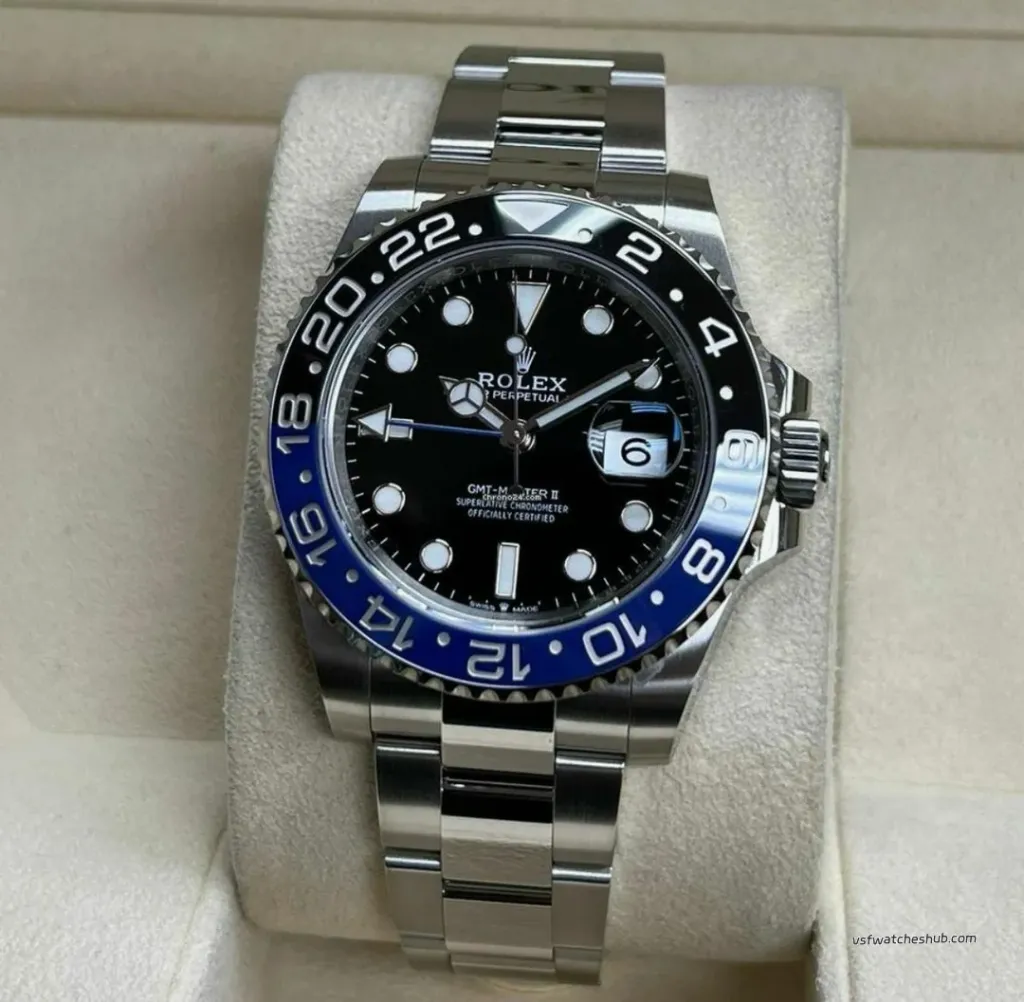
GMT-Master II runs DD3285 — not the 3235, despite what half the listings on the internet claim. If a seller tells you their GMT has a 3235 in it, they either don’t know their own product or they’re shipping something else. Explorer, Oyster Perpetual, and Air-King round out the mature list on DD3230; the Air-King 126900 in particular surprised me, and I covered why in my Air-King review.
One thing that table doesn’t show: maturity isn’t permanent. Tooling gets revised, factories change hands, calibers get superseded. What’s listed here reflects where things sit as I write this in 2026, and I’d rather you ask me what’s current than trust a table you found six months from now.
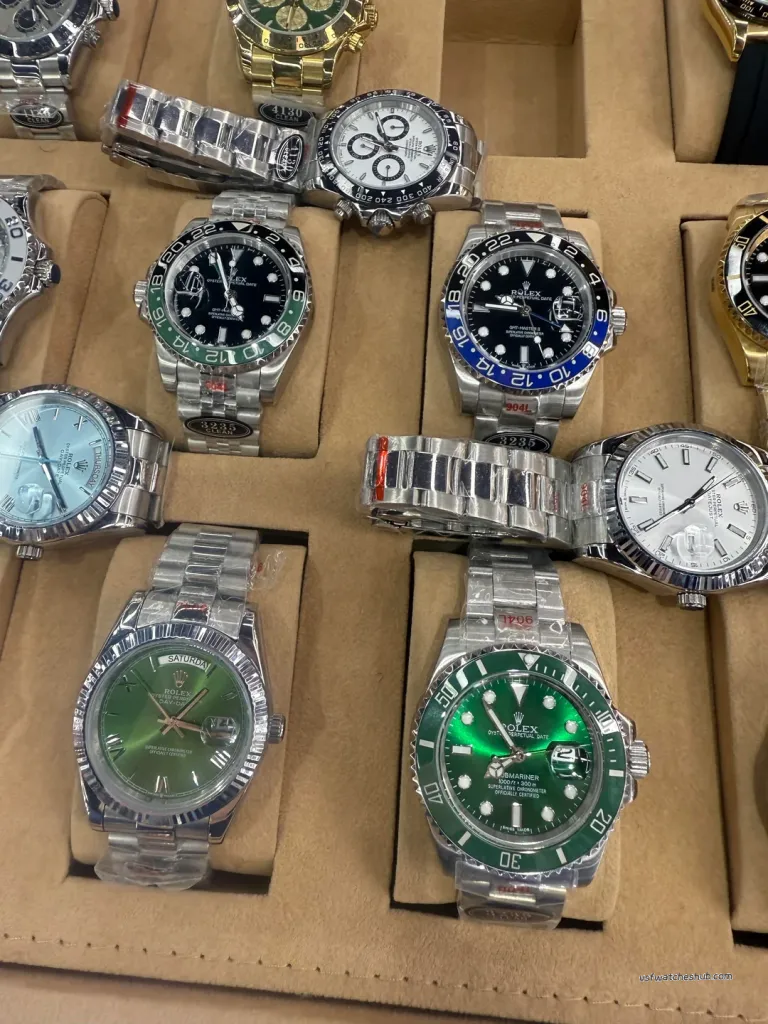
Best Super Clone Rolex by Use Case: Daily, Dress, Dive
Model lists are useful but they don’t answer the actual question, which is: what should I buy.
Let me sort it by how you’ll wear it.
Daily driver. Datejust 41 or Oyster Perpetual 41. Both go with anything, neither attracts the attention a Submariner does, and both run the same proven calibers. If you work somewhere that a dive watch reads as loud, this is your answer. The 41mm Datejust lineup is where most of my first-time buyers land.
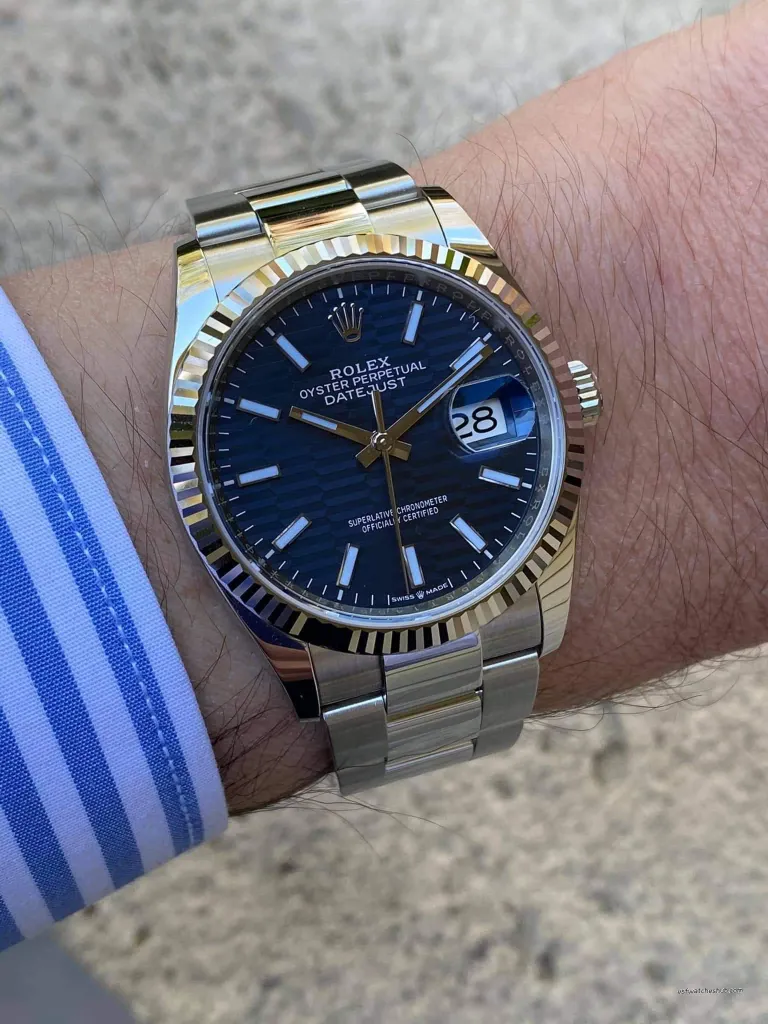
Dress. Day-Date 40 if you want presence, Datejust 36 if you want restraint. The Day-Date in precious-metal finishes needs the tungsten-weighted version — I’ll explain why in the next section, but short version: without it, the weight gives it away instantly.
Dive. Submariner, and this is the one category where I’d tell you not to overthink it. 124060 if you like a clean dial and don’t need the date. 126610LN for the classic look. 126610LV if you want people to notice.
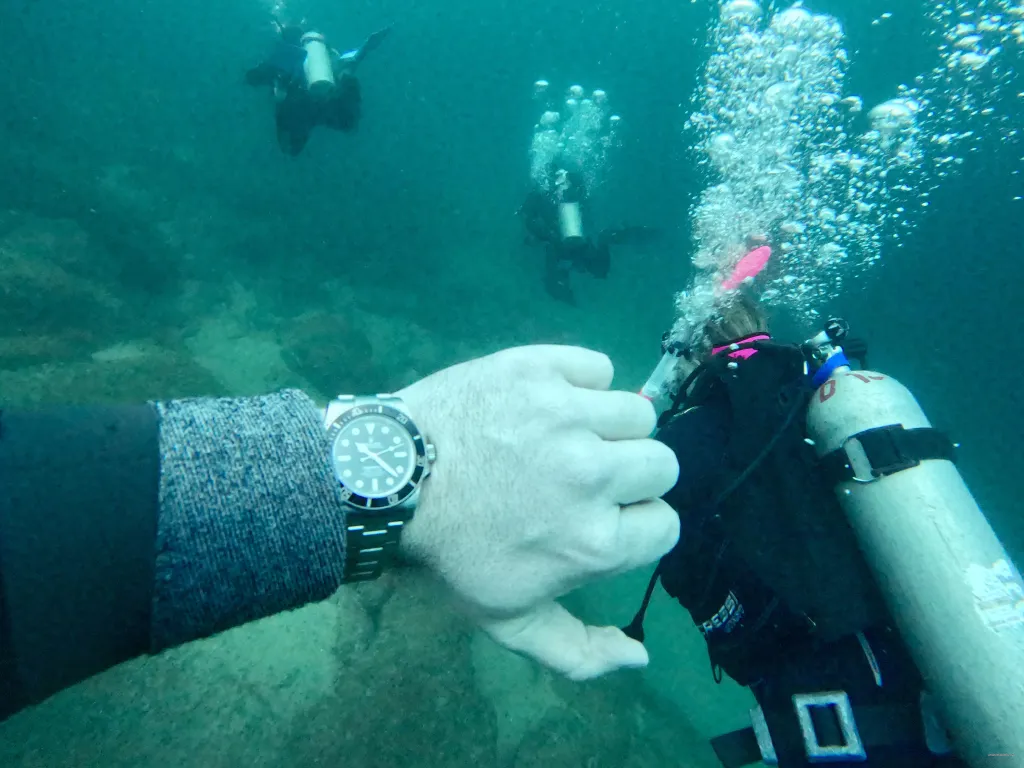
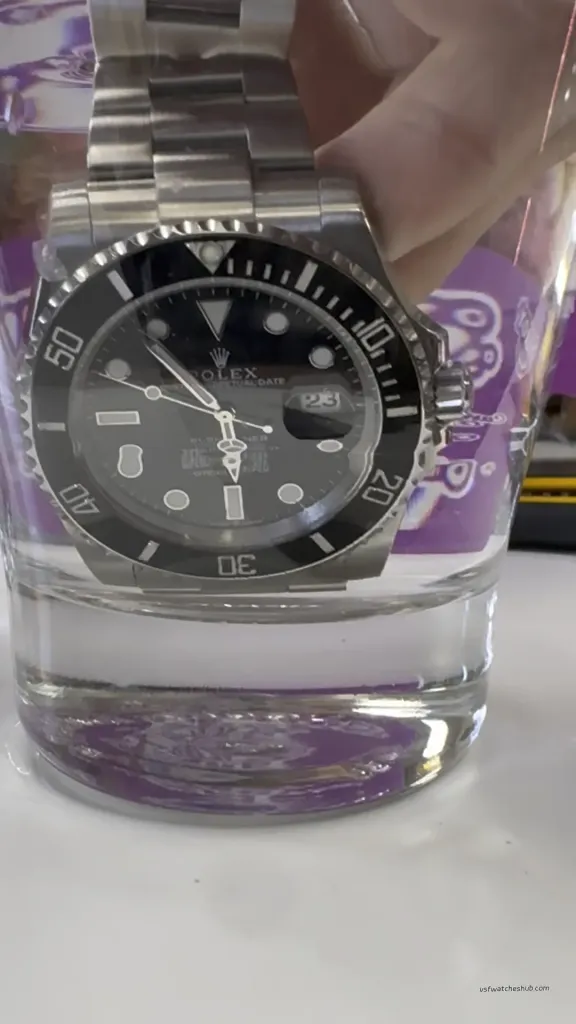
On water resistance, since it comes up in every dive conversation: I’ve tested this myself rather than repeating factory claims. Datejust, Yacht-Master and Daytona each spent roughly six hours submerged in a glass of water. No ingress on any of them.
Practically that means handwashing and rain are non-issues across the board. Submariners handle swimming without drama. Dress references like Datejust and Daytona will survive daily moisture fine, but I wouldn’t take them into a pool — not because they’d fail, just because there’s no reason to.
Sizing matters more than people plan for. The jump from 36mm to 41mm is bigger on the wrist than it looks in listing photos, and it’s the most common reason a first purchase disappoints. Had a customer in Bristol last spring order a 41mm Datejust after wearing his father’s old 36 — messaged me a week in asking if the case was oversized. It wasn’t. The 5mm gap just reads much larger in person.
Measure a watch you already own before you decide. Returning one of these isn’t like returning a shirt.
The bracelet clasp is worth a mention too, because it’s a daily-use item people forget to evaluate. Good builds have a working micro-adjustment you can push through by hand, no tools. That’s the difference between a watch that fits on a hot afternoon and one that doesn’t.
Chronograph. Daytona, obviously, but I’ll add a caveat I give everyone: it’s the most expensive piece in the catalog and the most commonly misrepresented. If it’s your first super clone, start with a three-hand model. Learn what good feels like, then step up.
Super Clone Rolex vs Real: The Three Tells That Survive 2026
I’m a dealer, not a magician, and I’d rather you hear the limits from me than find them yourself.
Three things still separate a super clone from a genuine Rolex in 2026. Everything else has been closed.
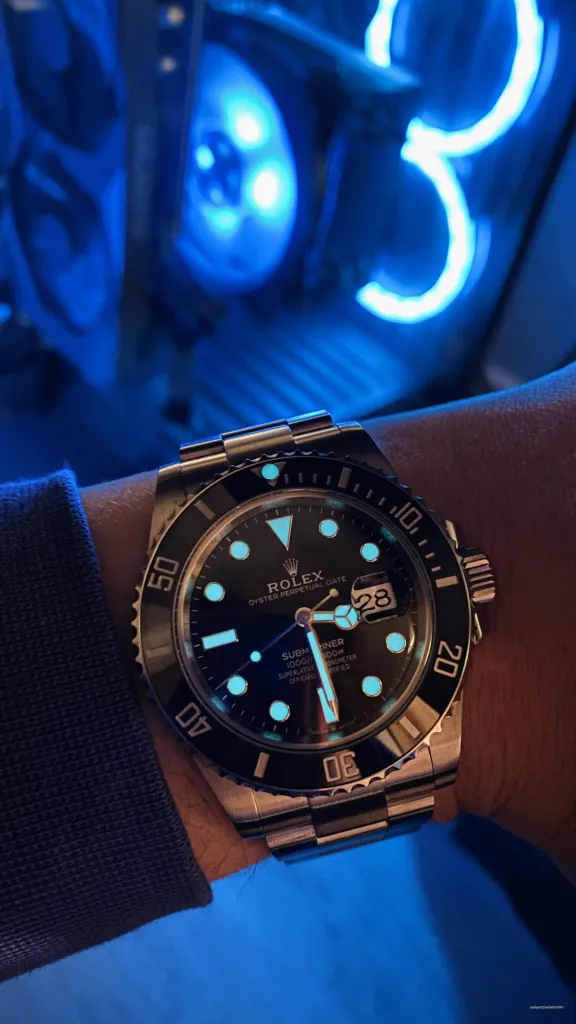
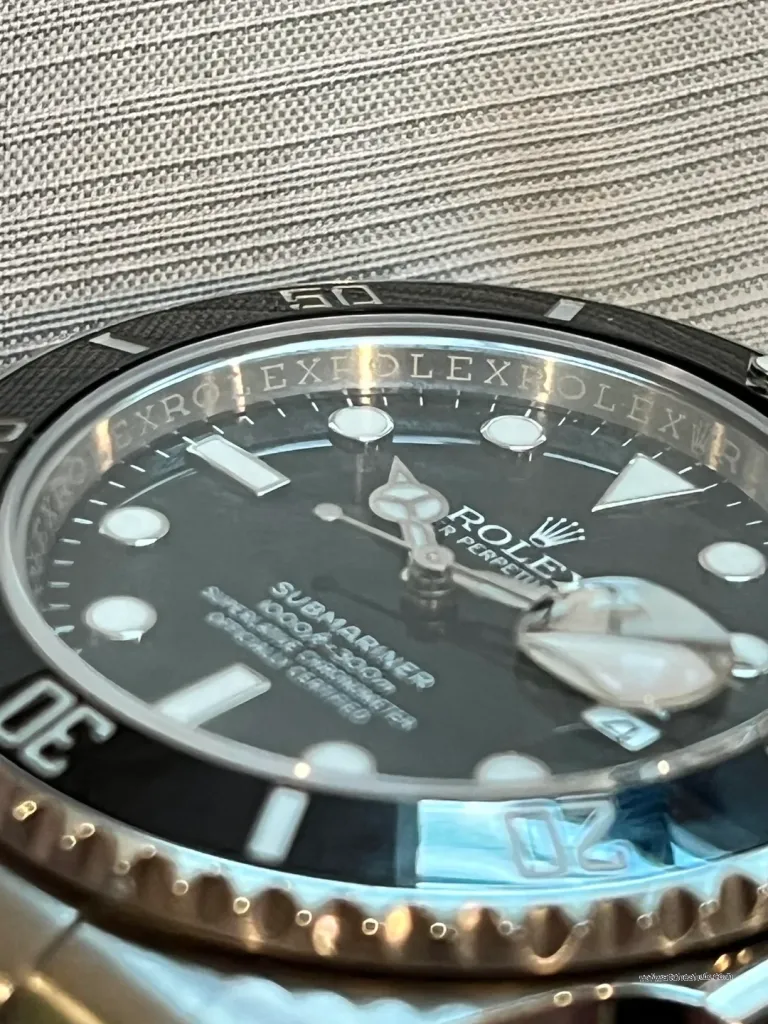
Tell one: lume duration. On the VSF 126610LN, initial brightness after charging is normal — it looks right when you first walk into a dark room. What it doesn’t match is how long the genuine holds that glow. Several hours in, the difference is visible. That’s the one deviation you’ll actually notice in ordinary use.
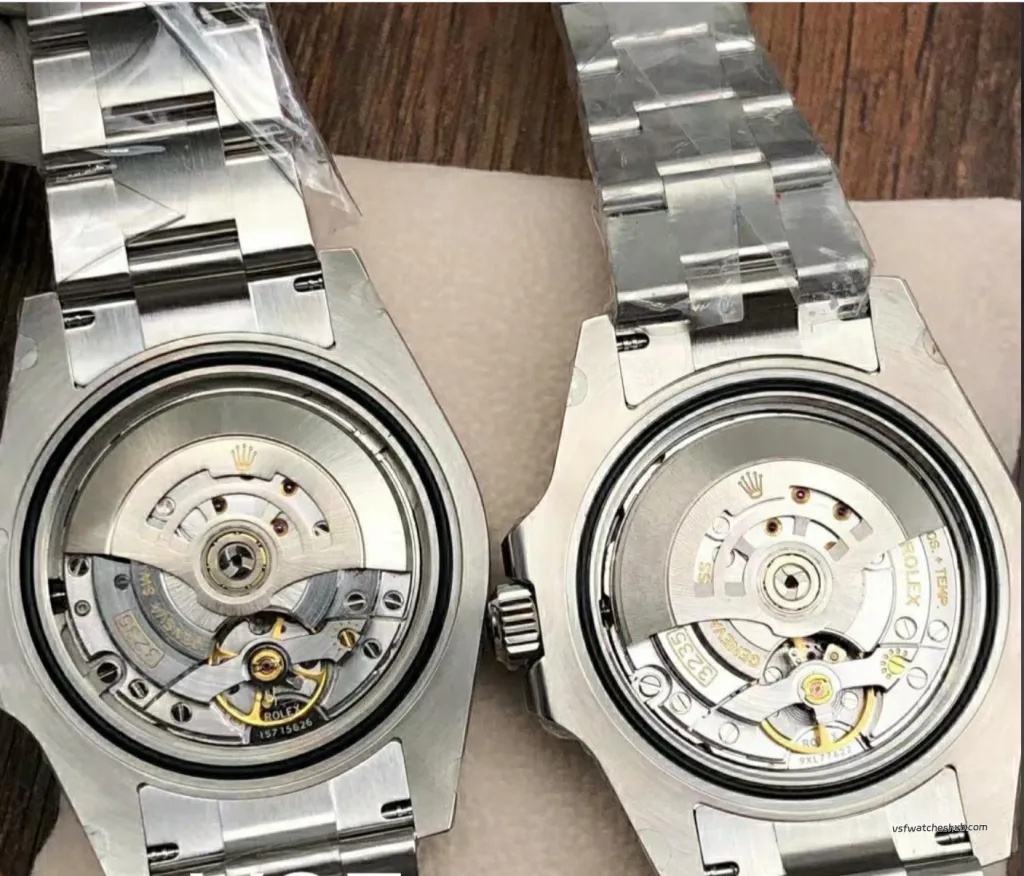
Tell two: the movement under a caseback. I put a genuine 126610 side by side with the VSF version. Externally, naked eye, normal light — I couldn’t separate them, and I handle these every day. Open the caseback and study the movement structure carefully and it becomes obvious.
Note what I’m not claiming. I’ve never run one under lab-grade magnification, and I won’t tell you it would pass there. Any dealer promising a watch that survives professional authentication is selling you a story.
Tell three: weight on precious metals. This used to be the big one. Genuine 18k gold is substantially heavier than plated steel, and for years every gold replica gave itself away the second you picked it up. Steel models never had this problem — steel weighs what steel weighs.
That changed in 2025. Factories started building counterweight systems, and there are three approaches out there with wildly different execution. Worth knowing which one you’re getting:
- Tungsten weight ring — an internal ring that adds mass without touching external dimensions or case thickness. This is VSF’s method.
- Lead blocks — jammed into the case interior on cheaper builds. Crude, imprecise, sometimes loose enough to rattle.
- Thickened steel — the cheapest approach, because it’s just more material.
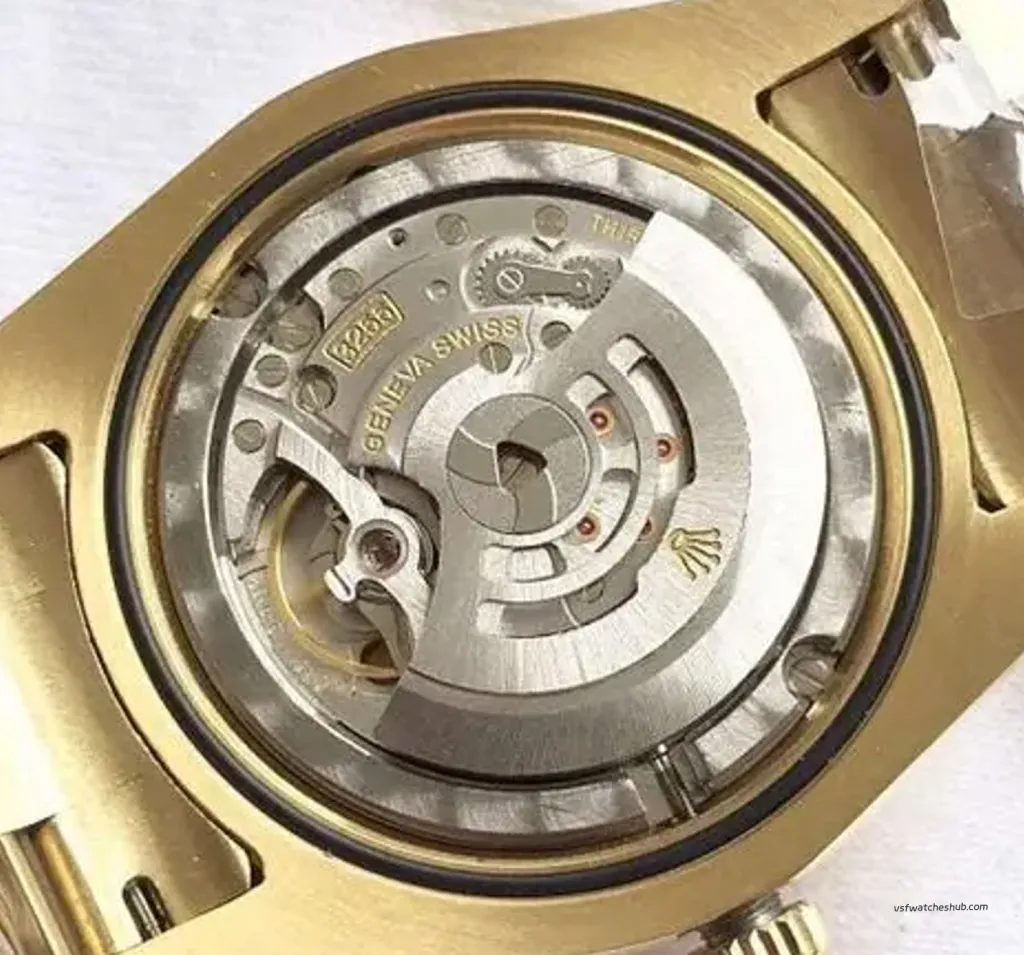
With the tungsten ring, gold-configuration weight now lands in the genuine range. That’s not a sales line — it’s why complaints on this specific issue stopped reaching me last year. The weighted versions cost about $200 more than standard, and on any precious-metal reference I consider that money you have to spend.
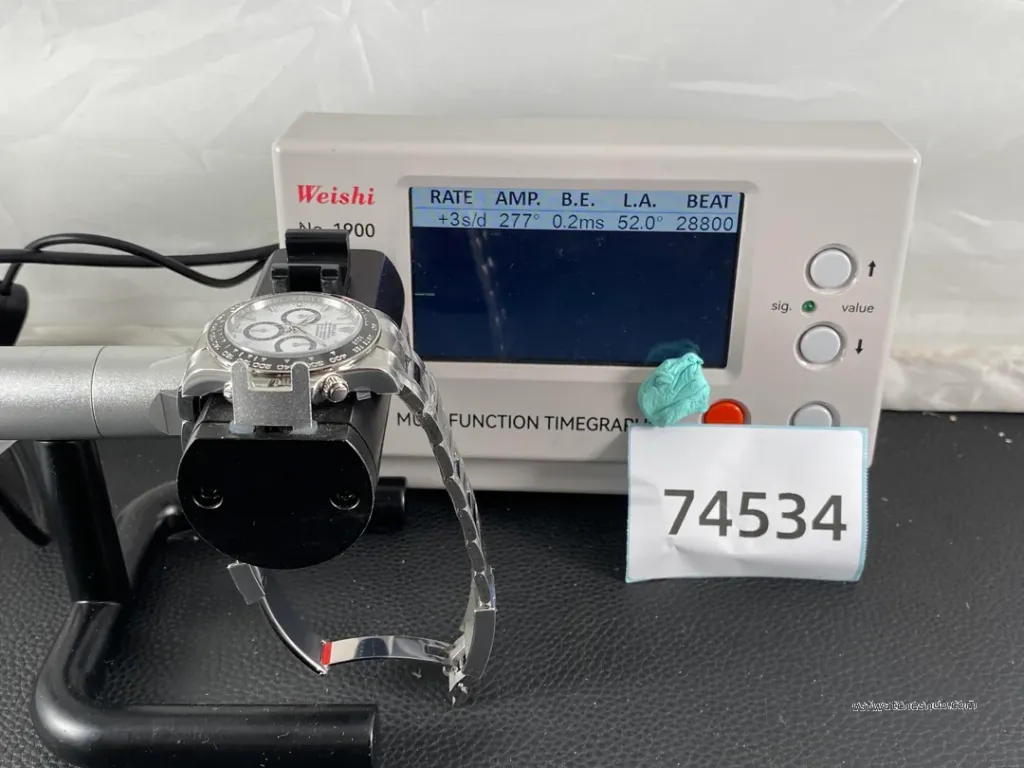
A fourth thing that isn’t really a “tell” but sets expectations: timing accuracy out of the box. These run within a few seconds a day, which is fine for daily wear, but they’re not chronometer-certified and nobody regulates them to that standard at the factory.
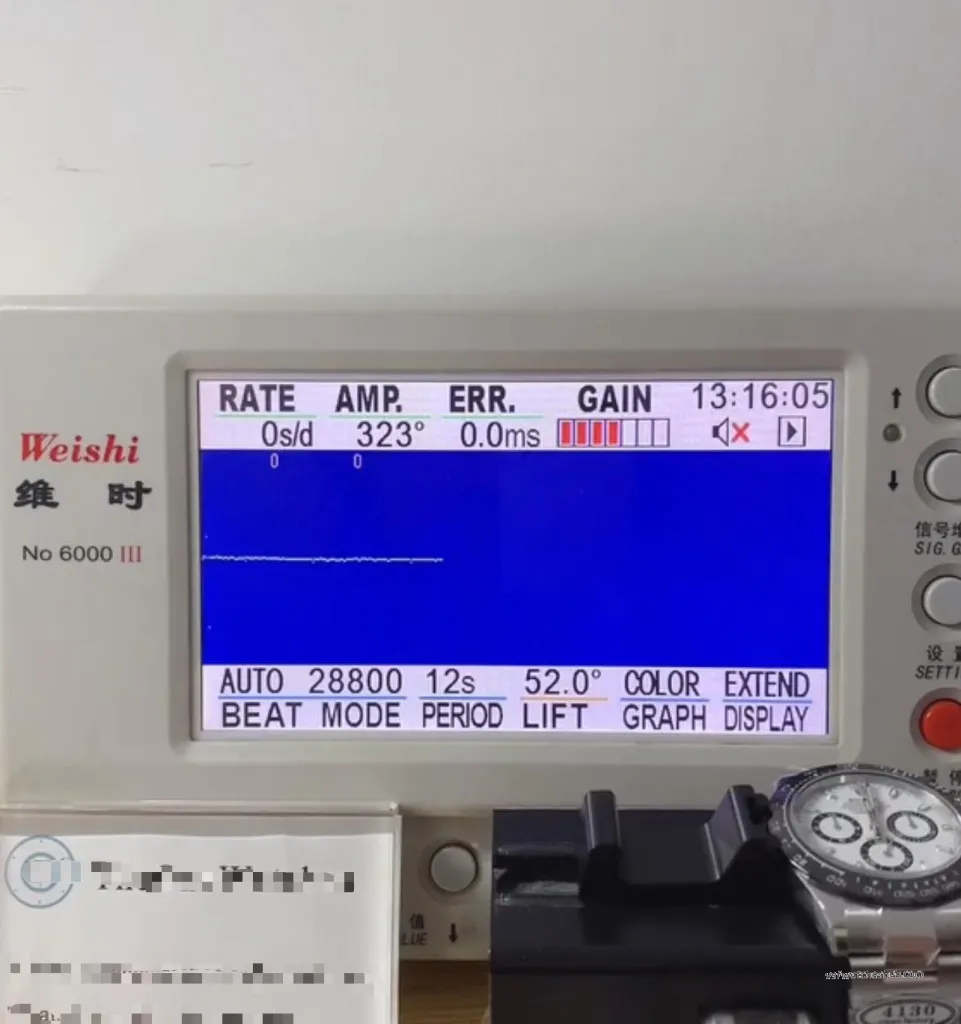
If it bothers you, a competent watchmaker can regulate one much closer. I sent a client’s Dandong 4131 Daytona to a local watchmaker in Manchester last February — came off the bench running dead-on after an oiling and adjustment. Was already at five or six seconds fast, which is perfectly usable, but the owner wanted zero and got there.
The movement architecture supports that kind of work. More than you can say for a generic automatic.
What’s not on this list matters as much. Case dimensions, dial printing, bezel ceramic, cyclops magnification, bracelet construction, crown threading — all of it is closed on mature references. People still write blog posts about checking the coronet at 12 or the rehaut engraving.
Those tells died years ago.
Box, Papers and Serials: What You Actually Receive
This section exists because the search term does, and because the honest answer is less exciting than what some sellers imply. Let me be direct about what shows up at your door.
The watch comes with a box, a card, and the usual booklets. Here’s the thing: that packaging is produced separately from the watch, often by entirely different suppliers, and quality varies batch to batch in a way the watch itself doesn’t. It’s the weakest link in the whole package and it always has been.
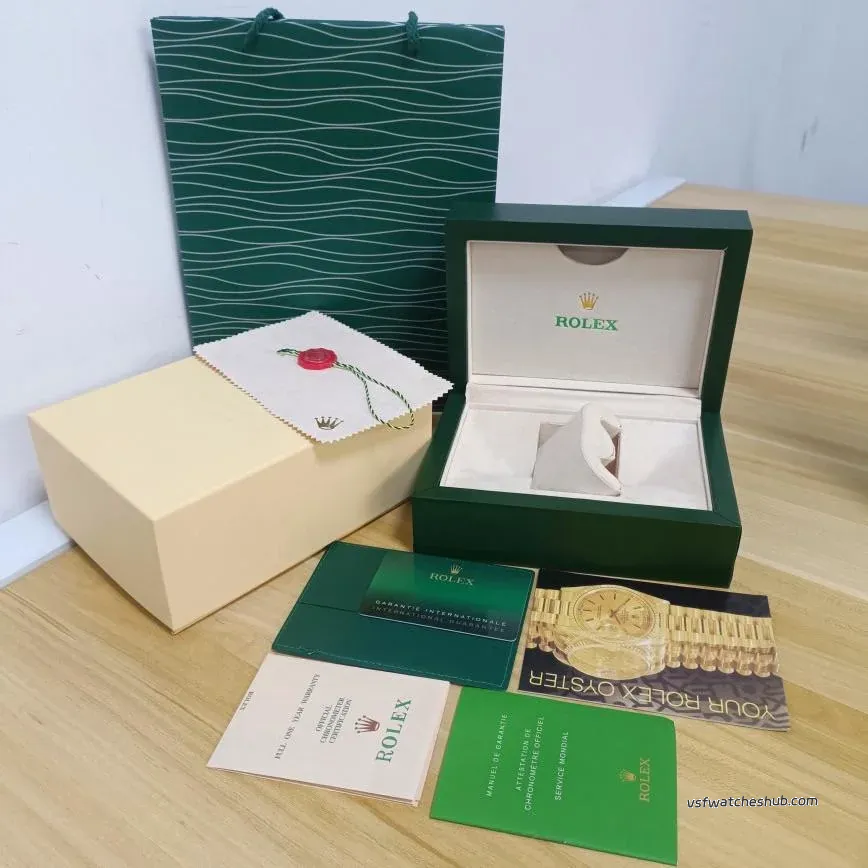
My advice, and I say this against my own interest: buy the watch, not the set. If someone is charging a meaningful premium for “full box and papers,” you’re paying for cardboard.
The piece on your wrist is where the money should go.
On serials — the case does carry engraved numbers in the correct locations, cut cleanly on mature references. What they won’t do is validate against Rolex’s database, because that’s not a thing anyone can fake. Nobody has access to it and nobody can generate a number that resolves correctly in it.
Which brings up warranty cards. A card that looks convincing is still a card. It doesn’t register anywhere, it won’t get you service at a boutique, and it has no resale value. Treat it as packaging, because that’s what it is.
Same goes for the “with box and papers” upcharge you’ll see in listings. It’s the easiest margin in this business precisely because it costs almost nothing to add. If a seller’s differentiator is the packaging rather than the watch, that tells you where their attention goes.
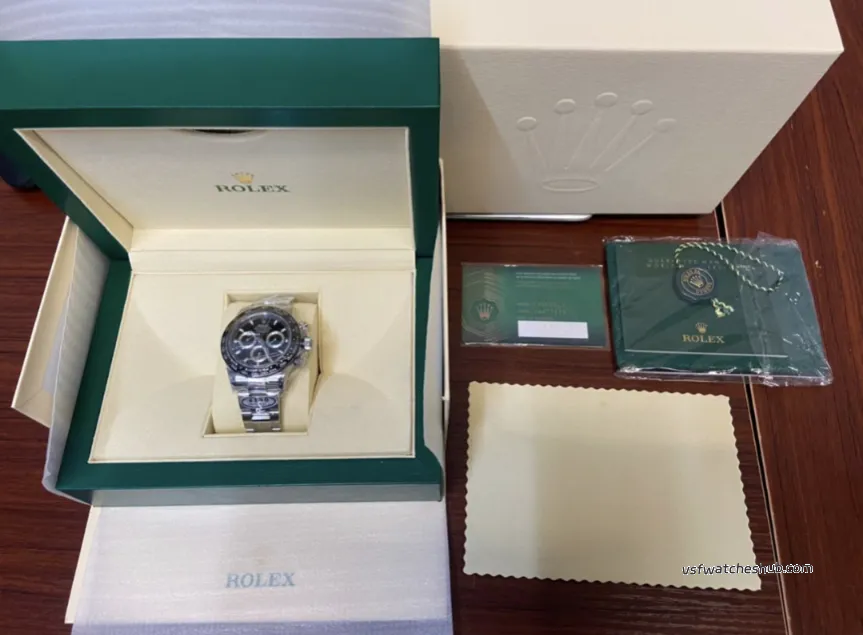
What you should insist on instead: QC photos and video of your specific watch before it ships. Not stock images, not a photo of a different unit from the same batch. Yours.
That’s the deliverable that actually protects you, and any dealer refusing it is telling you something.
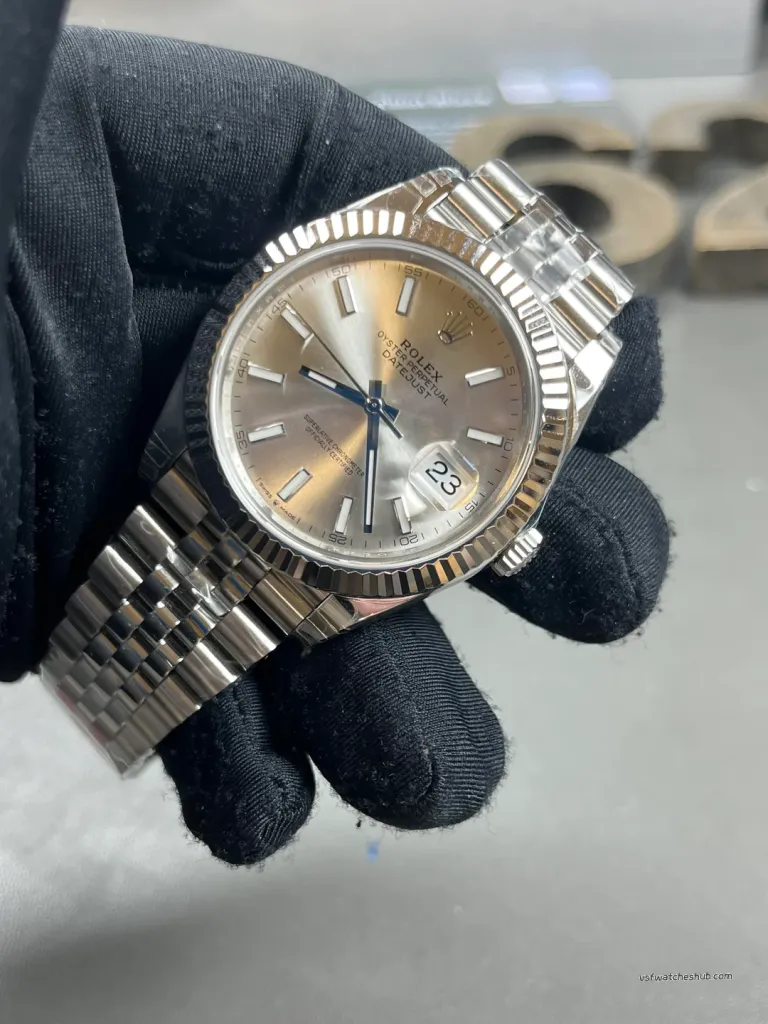
One more practical note on timing, because it sets expectations correctly. VSF releases stock every one to two weeks now — it used to be every couple of days. That’s a security decision on the factory’s end, not distributor slowness. Without warehouse stock, expect 5 to 8 days before your order ships.
Anyone promising 24-hour dispatch on a non-stock VSF piece is shipping a different factory’s watch.
Models I Still Won’t Sell as Super Clones
Here’s the section that costs me money, and it’s the one I’d read first if I were you.
Anything on a Shanghai caliber sold to me as top-tier. Not because SH movements are unusable — they run, and Clean Factory builds beautiful cases around them. But 60 hours of reserve versus 70, and long-term stability that doesn’t match Dandong, means I’m not putting my name on it at super clone pricing.
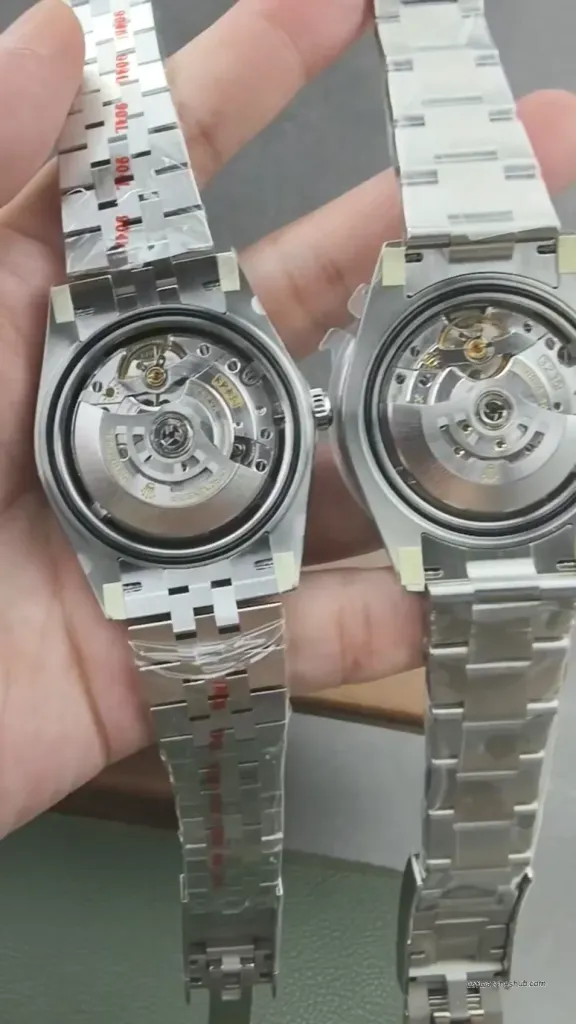
Skeleton and openworked references. When the movement is on display through the dial, there’s nowhere to hide. Cloned calibers copy architecture well enough for a caseback view, but a front-facing movement puts every bridge and every finish under direct scrutiny.
Not ready.
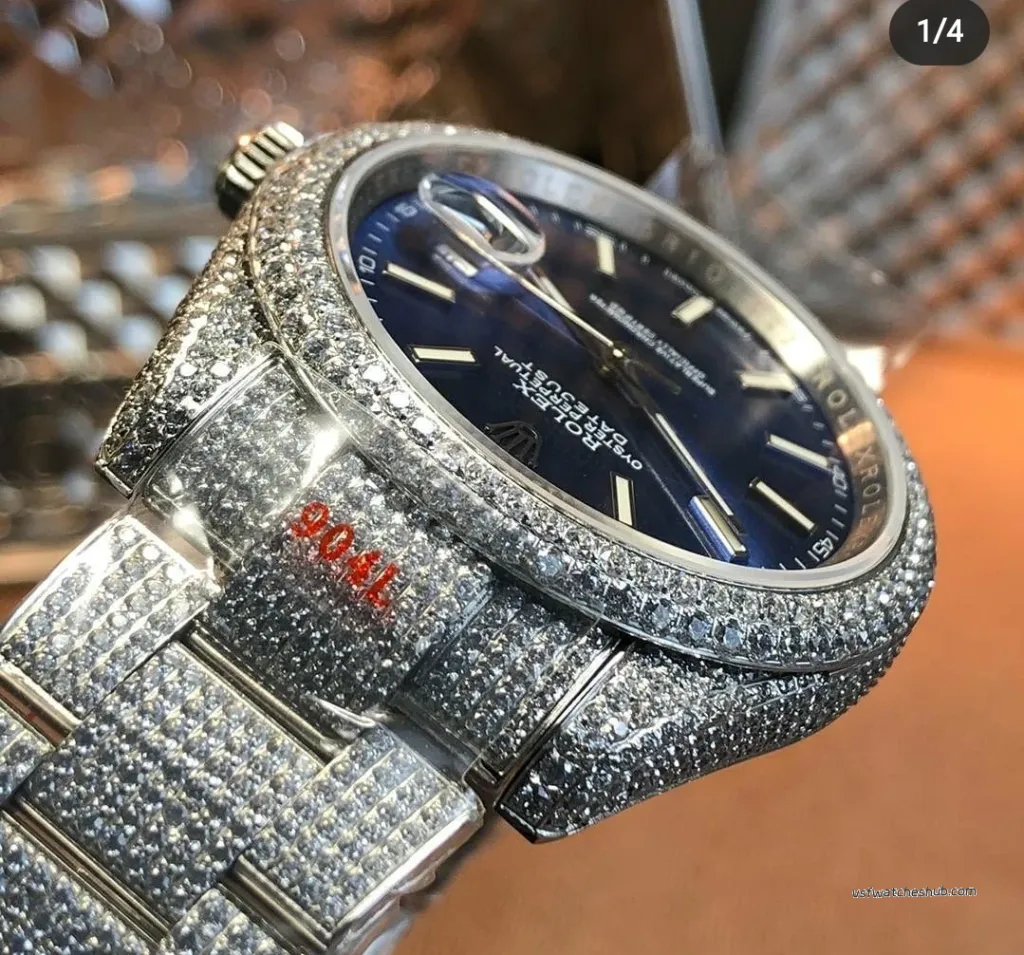
Gemset references where the stones sit in the bezel or lugs. Factory stone-setting is inconsistent enough that I’d be gambling with your money. Diamond dial indices are fine — that’s a different process and it’s mature. Pavé bezels are not.
Discontinued vintage references. A 1970s Submariner has a case profile, crystal shape and dial patina that current tooling isn’t built for. What exists is a modern watch wearing vintage styling. If that’s what you want, fine — but I’ll call it what it is rather than sell it as a period-correct clone.
And a category note rather than a model: anything from a factory that isn’t currently producing. APS is the live example — shut down by local police in April 2026, nothing coming off the line since, only leftover inventory circulating. That matters mostly for Royal Oak references rather than Rolex, but the principle carries: a factory that can’t ship can’t fix a problem either.
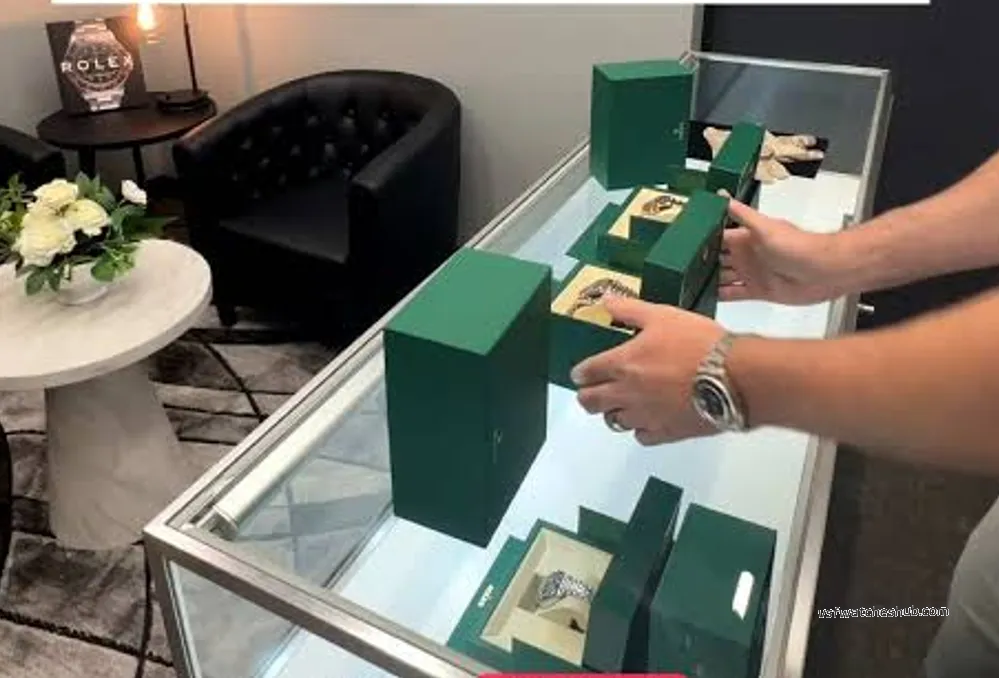
And anything a seller can’t name the caliber for. This isn’t a model category — it’s a filter, and it eliminates most of the bad purchases people make. “High-grade automatic” is not an answer.
Factory plus caliber, in one sentence, or walk.
If you want to see what I do stand behind, the 41mm Submariner range is the shortest path to a piece that won’t disappoint you. Message me for current QC photos on any of them — batches vary and I only ship the clean ones.
Common Questions About Super Clone Rolex Watches
Are super clone Rolex watches any good? On the mature references, yes — and I say that with a return rate around 1% behind it. The DD3235 and DD3230 report past five years of service life from customer feedback, with DD4130 and DD4131 in the same range. Those figures come from what comes back to me over time, not from any factory spec sheet, because factories publish nothing.
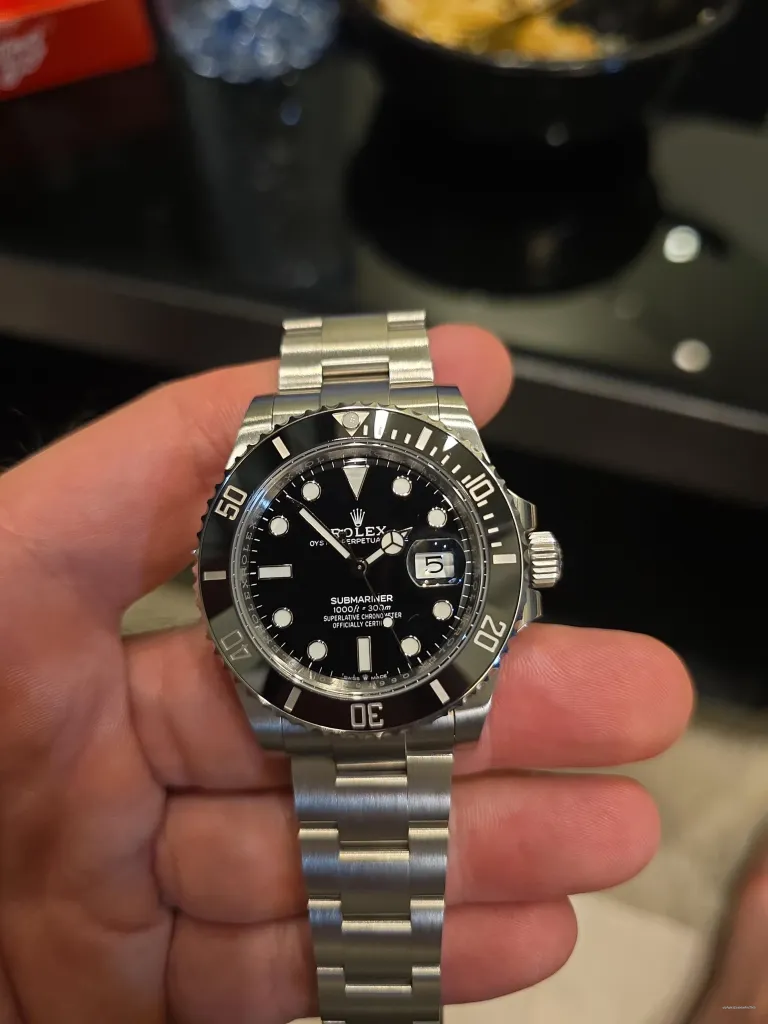
How much does a super clone Rolex cost? Entry is around $450 for a no-date Submariner or an Oyster Perpetual. Most three-hand references land between $500 and $700. Daytona runs $800 to $1,100 because of the chronograph caliber. Add roughly $200 for tungsten-weighted precious-metal versions. Anything meaningfully below those numbers is a different watch wearing the label.
Can a jeweler tell a super clone Rolex? With the caseback off, yes — the movement structure gives it up to anyone who knows what they’re looking at. Closed, on the wrist, in normal conditions, I’ve compared them side by side and couldn’t separate them. But don’t buy one planning to test that.
It’s a watch to enjoy, not a credential to present.
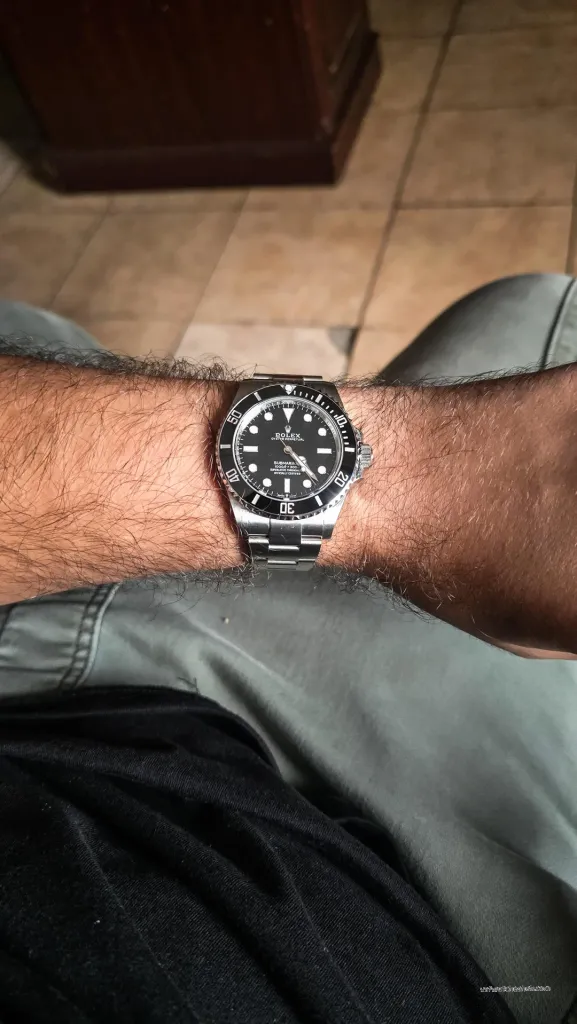
Is a super clone worth it over a $200 replica? If you’ll wear it weekly for years, yes, and the movement alone justifies it. If it’s for two vacations and a drawer, honestly no — spend less. The people who regret this purchase are almost always the ones who bought at the wrong tier for how they actually live.
Which factory should I buy a super clone Rolex from? VSF for anything they make — I’m a core dealer for them and I’d still say it if I weren’t, because the return numbers back it up. Where VSF doesn’t produce a reference, I’ll carry APS, ZF, 3K, Clean or N selectively. What I won’t do is put a Shanghai-caliber watch on the shelf at Dandong pricing and hope you don’t check.
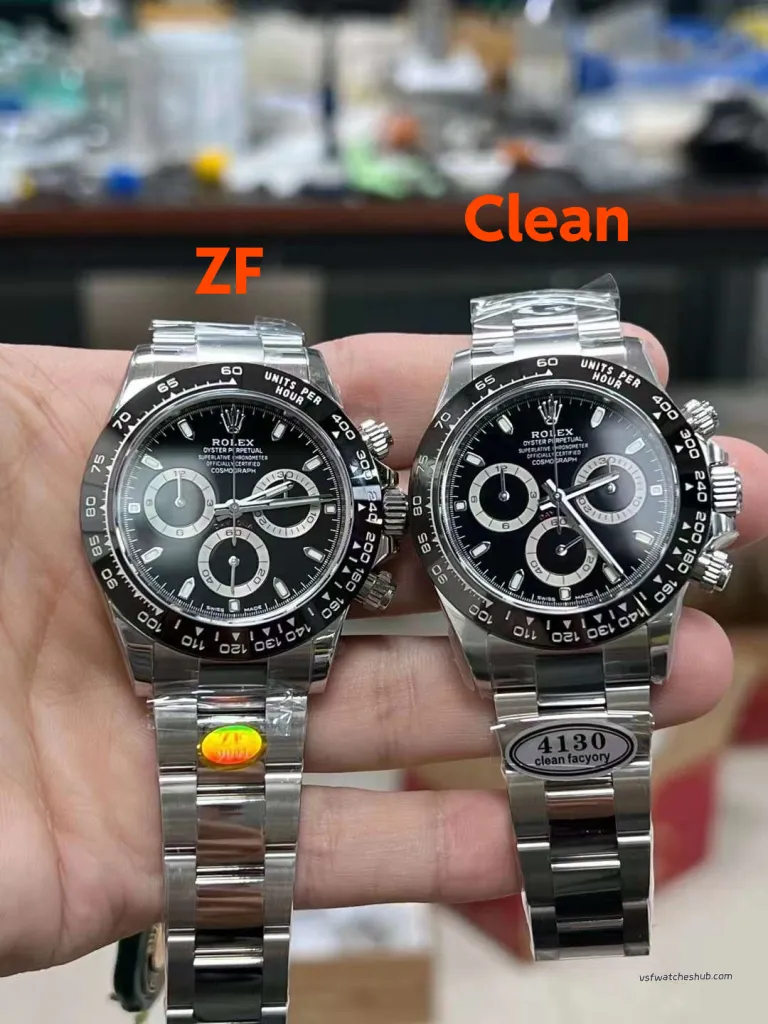
Where I’d start if you’re new: a steel three-hand reference on DD3235 or DD3230. Submariner, Datejust 41, or Oyster Perpetual. Skip gold until you know you want it, skip the chronograph until you’ve handled a good one, and ask about the caliber before you ask about anything else.
Related Products
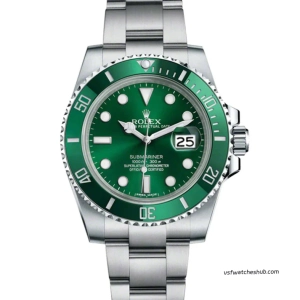
VSF Rolex Submariner 116610LV Green Ceramic Bezel Super Clone
$650$80019% OFF
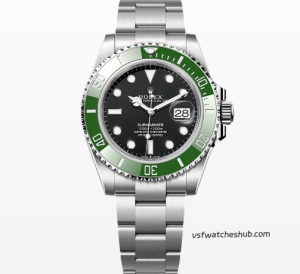
VS Factory Rolex Submariner 126610LV Green Ceramic Bezel Super Clone
$720$89019% OFF
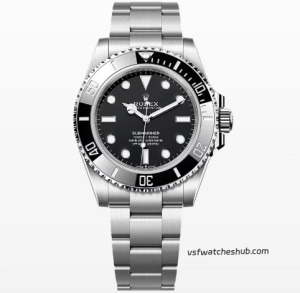
VS Factory Rolex Submariner 124060 No Date Black Dial Super Clone
$670$80016% OFF
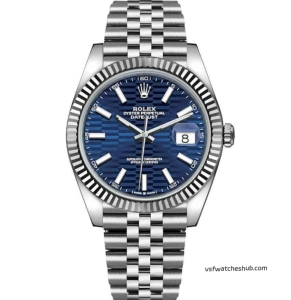
VS Factory Rolex Datejust 41 126334 Blue Fluted Dial Jubilee Super Clone
$810$98017% OFF

Ray Li——VSF
RELATED POSTS
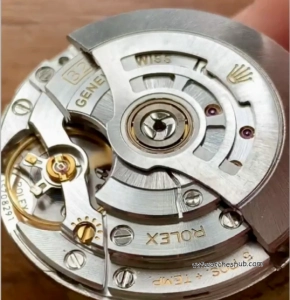
VS Factory Rolex 3235 Movement Review, Accuracy, Power Reserve and Comparison Guide
VSF Omega Aqua Terra 150M Review: VS8800 Movement vs Genuine (38mm & 41mm)
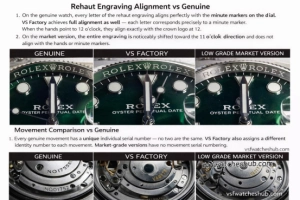
Which Is Better: VS Factory or Clean Factory Replica Watches?
Super Clone Watches: What They Are, Who Makes Them, and What They Cost in 2026
VS Factory Daytona Movement Guide: How to Spot a Real Dandong 4131 (5-Photo Cheat Sheet)