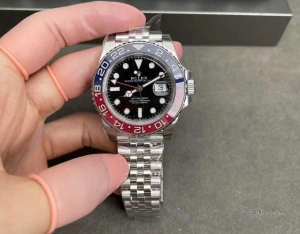
Trusted VS Factory Agent · 1:1 Super Clone Watches

What Counts as a Super Clone (And What Doesn’t)
If you want the full definition and the line between a real super clone and a cheap replica, I wrote that up separately in what is a super clone watch. Short version for this page: the movement has to be a structural copy of the original caliber, not a generic automatic dressed up behind a display back.
Everything below assumes you already accept that line.
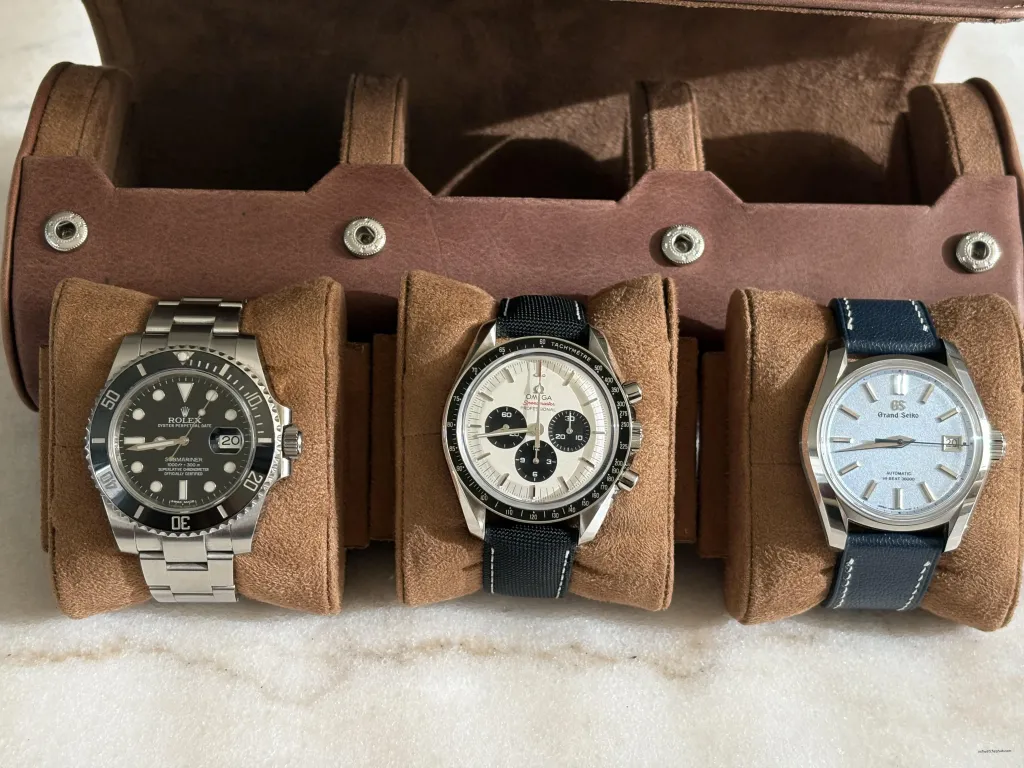
What this page is actually for: the grading system, who’s still building at the top, what each price band gets you, and which brands genuinely have super clone versions versus which ones just have the label slapped on. That’s the part nobody publishes honestly — because most of it costs somebody a sale.
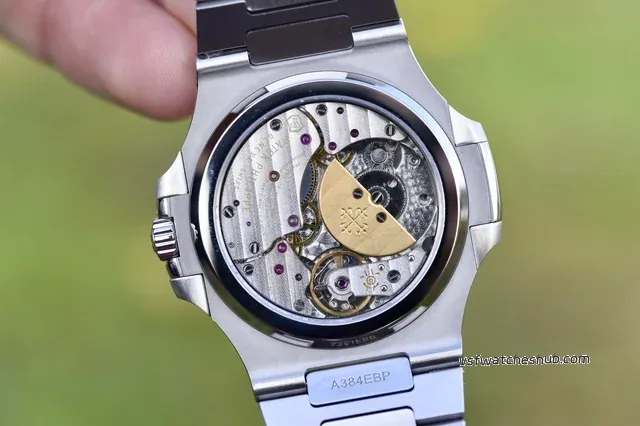
Grading matters more here than on any other watch purchase you’ll make. The visual gap between tiers is small and the mechanical gap is enormous. Two watches can photograph identically and differ by $500 in what’s under the dial. That’s the entire problem this page exists to solve.
Look, “super clone” is not a certification. Nobody issues it, nobody polices it. It’s a description the market invented and then flooded. I see it on $180 listings weekly.
The word has been stretched so far that on its own it now carries about as much information as “premium.”
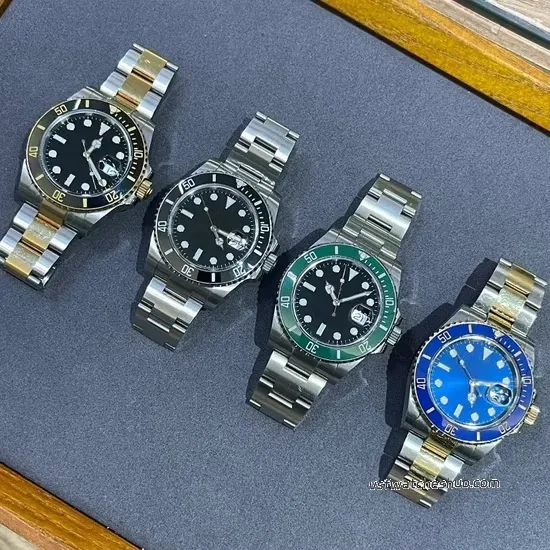
So here’s the working test I use in my own buying, and you can apply it to any listing in about a minute. One: can the seller name the caliber with a specific code — DD3235, DD4130, DD8800 — rather than saying “automatic movement”? Two: does the price sit above the floor for that model? Three: will they send QC photos of your actual piece?
Three questions. That’s the whole test.
People push back on the price check specifically, usually with some version of “but this seller buys direct.” Everyone buys direct. There’s no tier of access below the factory, and the factory number for a steel sports Rolex hasn’t moved much in years. When a quote sits well under it, the explanation is always the same one.
Fail any one of those and you’re not looking at tier one, whatever the listing says. I’ve never seen an exception, and I’ve been buying this stuff since 2015. The three checks cost you nothing and they filter out the overwhelming majority of what’s being marketed as super clone right now.
1:1 Super Clone Watches: Where the “1:1” Claim Breaks Down
Every listing says 1:1. The phrase is supposed to mean dimensions, materials, and movement architecture all match the original within manufacturing tolerance. In practice it usually means the photos look the same on a phone screen.
Since the claim is measurable, let’s measure it.
Start with fit rather than specs, because it’s what you notice first. A properly built dive bezel gives 120 dry, evenly weighted clicks with no side play, and the sound is crisp rather than muffled. Bracelet end links should seat flush into the lugs with no gap you can catch a fingernail on. Weak builds fail both.
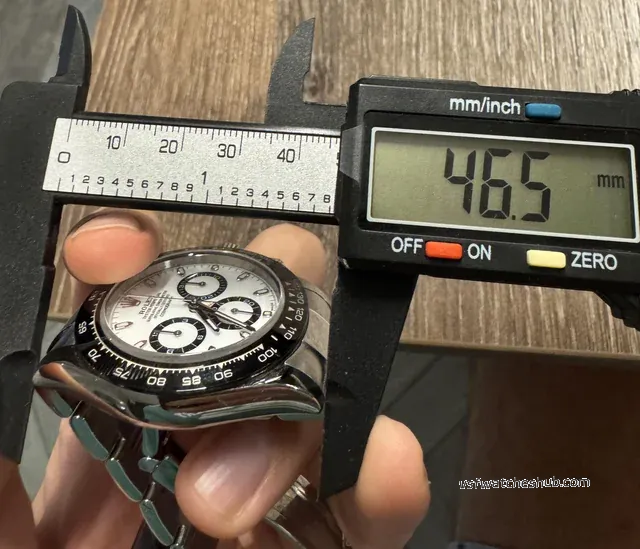
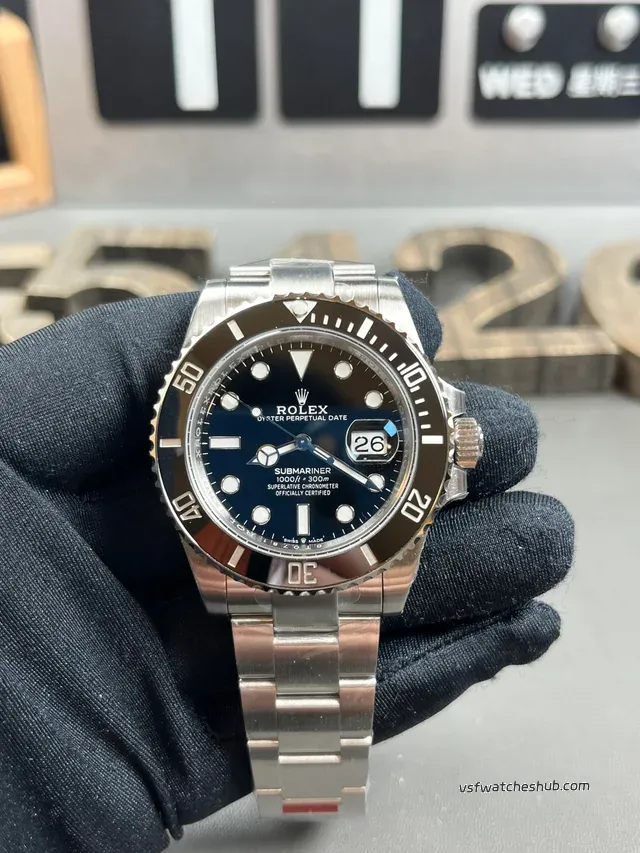
Take the no-date Submariner as the reference, since it’s the model I’ve handled the most of. Measured on my bench: 40.8mm across the case without the bezel, 12.5mm thick, 153 grams with the full bracelet. That thickness figure matches the original, and it’s the spec that weaker versions miss most often.
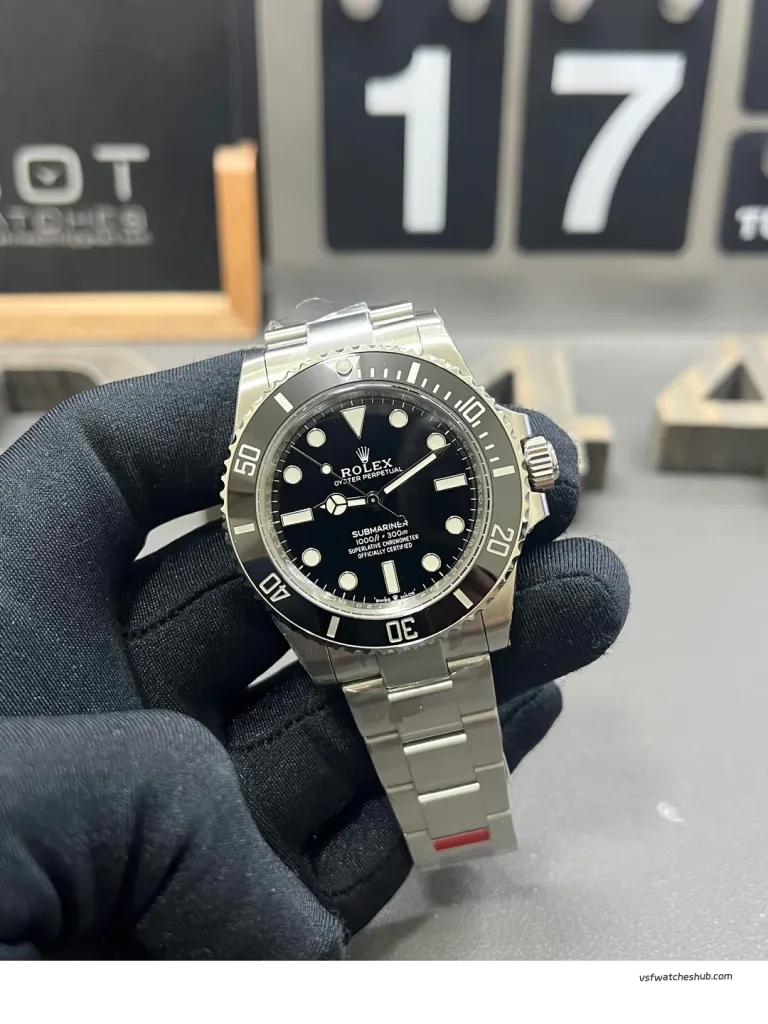
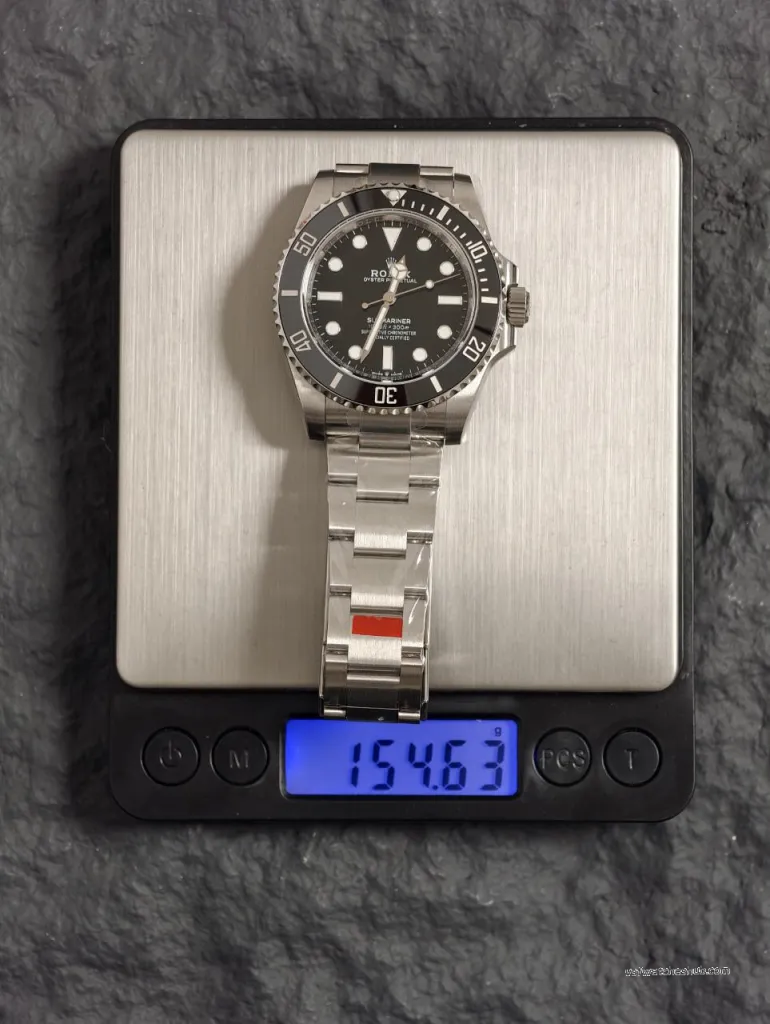
Half a millimeter off on thickness and the watch sits differently on the wrist. You may not be able to name what’s wrong, but you’ll feel it — and so will anybody who owns the real one. Weight works the same way. A solid milled bracelet carries mass that a stamped one simply cannot, and 20 to 30 grams of difference registers instantly.
On date models, the cyclops is another quick check you can run off a listing photo. On the original it magnifies about 2.5x and the numeral nearly fills the window. Plenty of clones fall short of that, leaving the date looking small and floating. It’s one of the few specs visible before you ever hold the watch.
Materials are where the top factories genuinely deliver. Rolex uses 904L steel, which resists corrosion better and holds a slightly colder, harder shine than the 316L everyone else runs. The real tier-one builds use it.
The tier below just writes it in the listing and hopes you never compare two cases side by side in daylight.
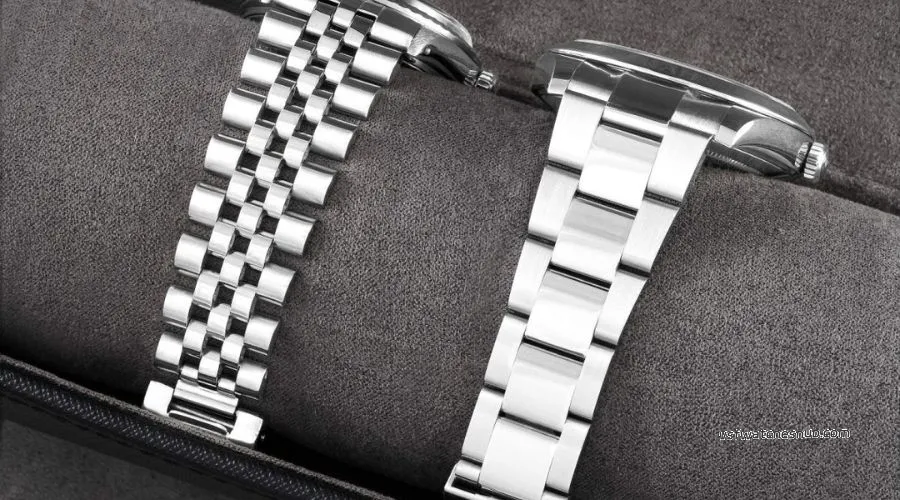
Applied indices are the other tell worth learning. On a strong build they’re properly set and polished, with edges that throw light in cleanly separated planes. On weaker ones the setting is shallower and the lume sits unevenly in the wells, sometimes with bubbles at the edge. Tilt the watch under a lamp and it shows immediately.
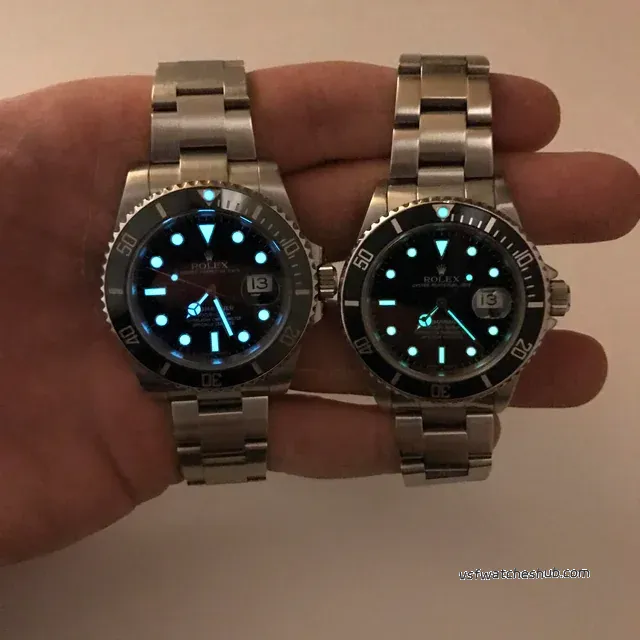
Now where 1:1 breaks — and I’d rather you hear it from me than find out in month two. Lume duration. Initial brightness is fine, honestly comparable to gen. Duration is not. A few hours into the dark and the original is still legible while the clone has faded well down. No factory has solved this, and I’ve been watching for it for a decade.
The second break is verification. Across a table, on the wrist, in normal light, a top build holds up completely. Once a watchmaker opens the back and reads the movement structure, it’s over in seconds. Plan around the first scenario. Anyone selling you the second one is lying, and it’s the kind of lie that surfaces at the worst possible moment.
Swiss Super Clones vs Asian Movements: The Part Buyers Get Wrong
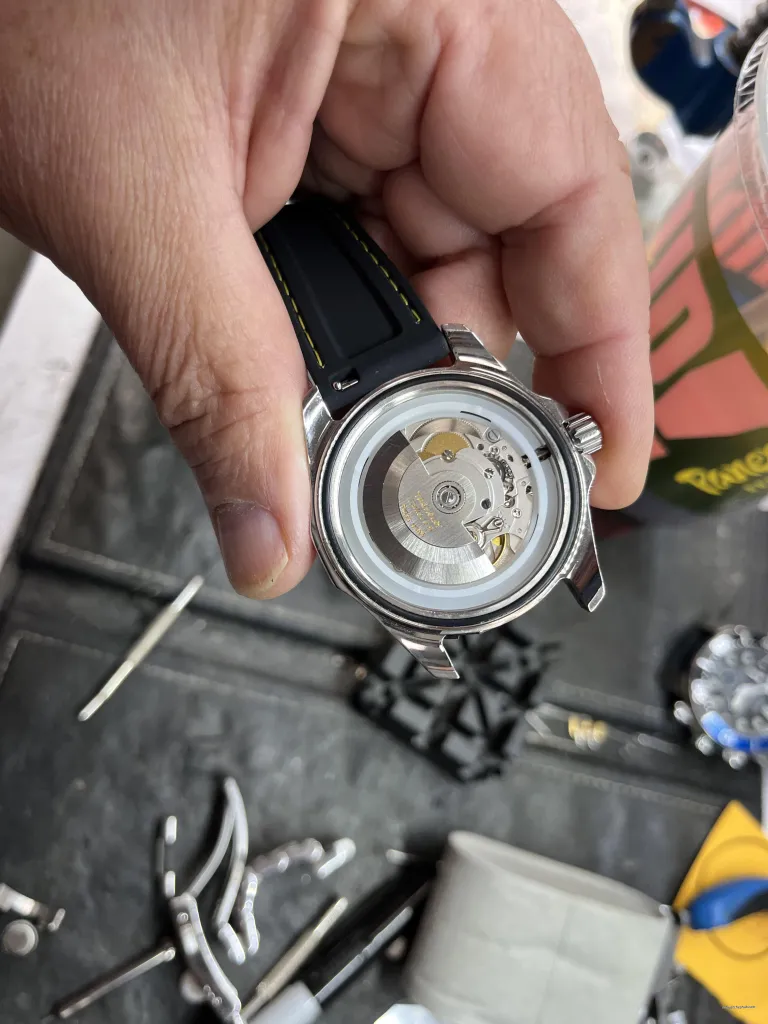
This is the single most common misunderstanding I deal with, and it costs people real money. Search “swiss super clone” and you’ll find hundreds of listings. Almost none of them contain a Swiss movement. I went through the whole “Swiss movement” claim in detail in are Swiss replica watches real, and the summary is not flattering to the sellers using it.
Almost none.
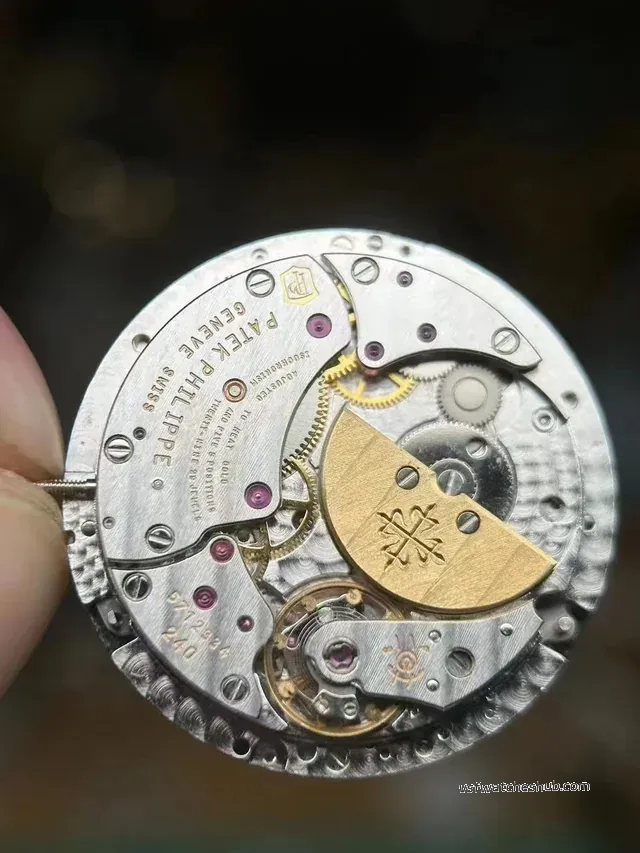
Part of why the confusion persists is that some genuine watches in these families really do carry Swiss movements, so the word isn’t nonsense in general — it’s just false in this context. A seller borrowing it is borrowing credibility from a product he isn’t selling you, and most buyers never think to separate the two claims.
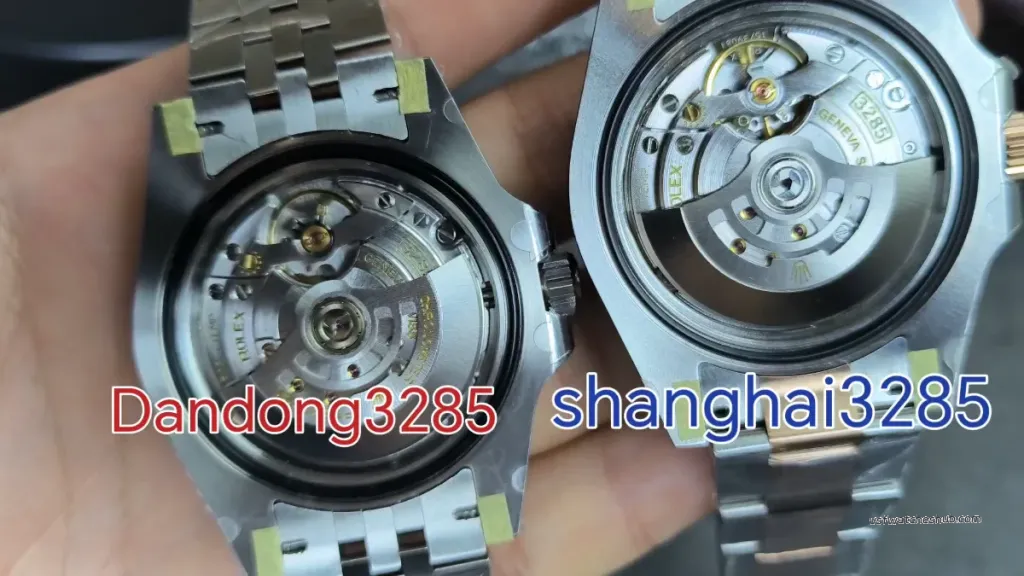
Here’s the actual landscape. Cloned calibers come out of two places: Dandong and Shanghai. Dandong movements carry a DD prefix and sit at the top of the market. Shanghai movements run as SH. That’s it.
“Swiss” appears in the listing because it sells, not because anything Swiss is inside the case.
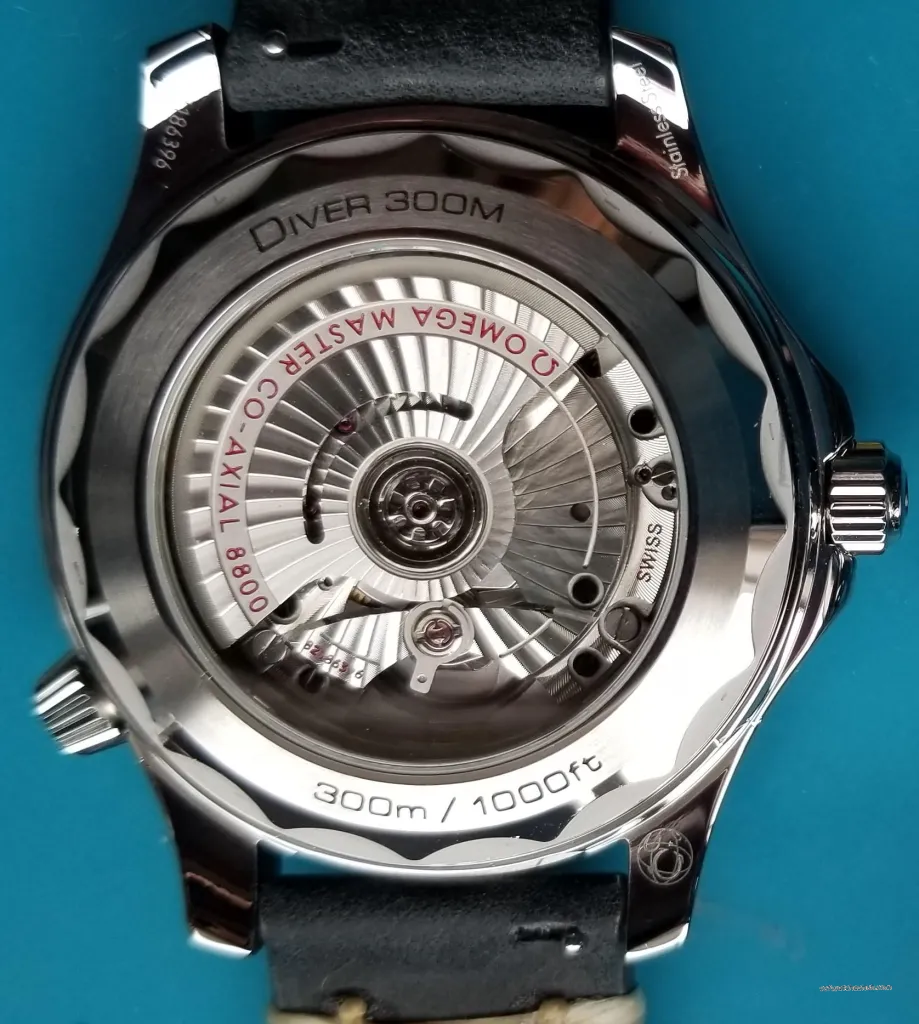
The word “Asian” in a listing is doing similar work, just in the opposite direction. When you see “Asian 8800” or “Asian 8806 movement” on an Omega, that’s the community shorthand for a cloned Omega Master Chronometer caliber. Fine as far as it goes — but “Asian” doesn’t tell you Dandong or Shanghai, and that’s the only distinction that affects how the watch runs.
Two numbers separate the two origins, and they’re the numbers I’d want if I were buying. Power reserve: the DD3235 runs roughly 70 hours, matching gen. The SH3235 runs around 60. Return rate: on Dandong-movement pieces going out of my warehouse, it sits near 1%. Shanghai ran high enough that I dropped it, and that decision cost me margin on paper.
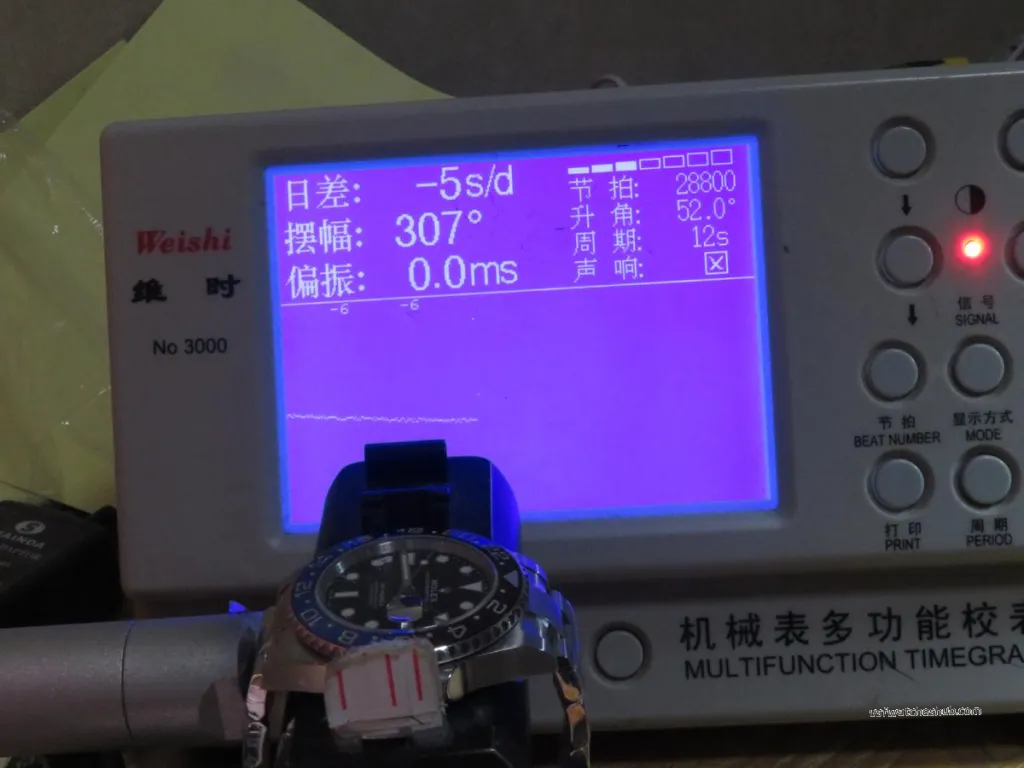
Access is the reason this split exists at all. Only a couple of houses actually have the Dandong line, and the movements are expensive to buy in. Everyone else works with Shanghai whether they advertise it or not. So a marketplace listing promising a Dandong caliber at a marketplace price is describing something that isn’t in the box.
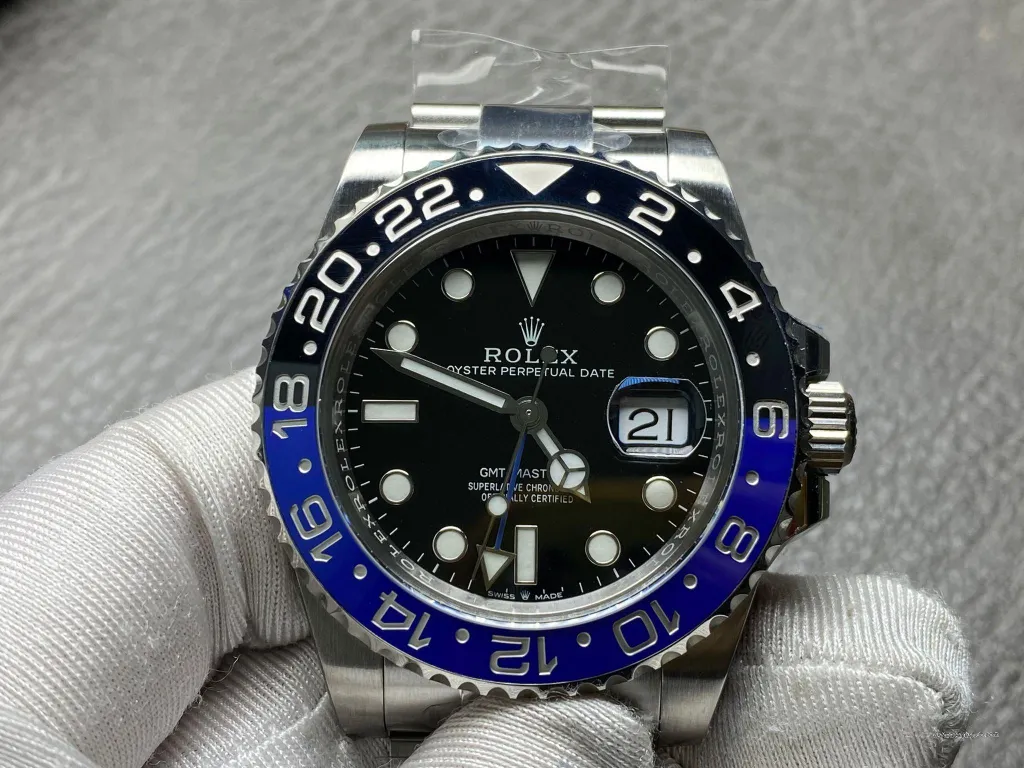
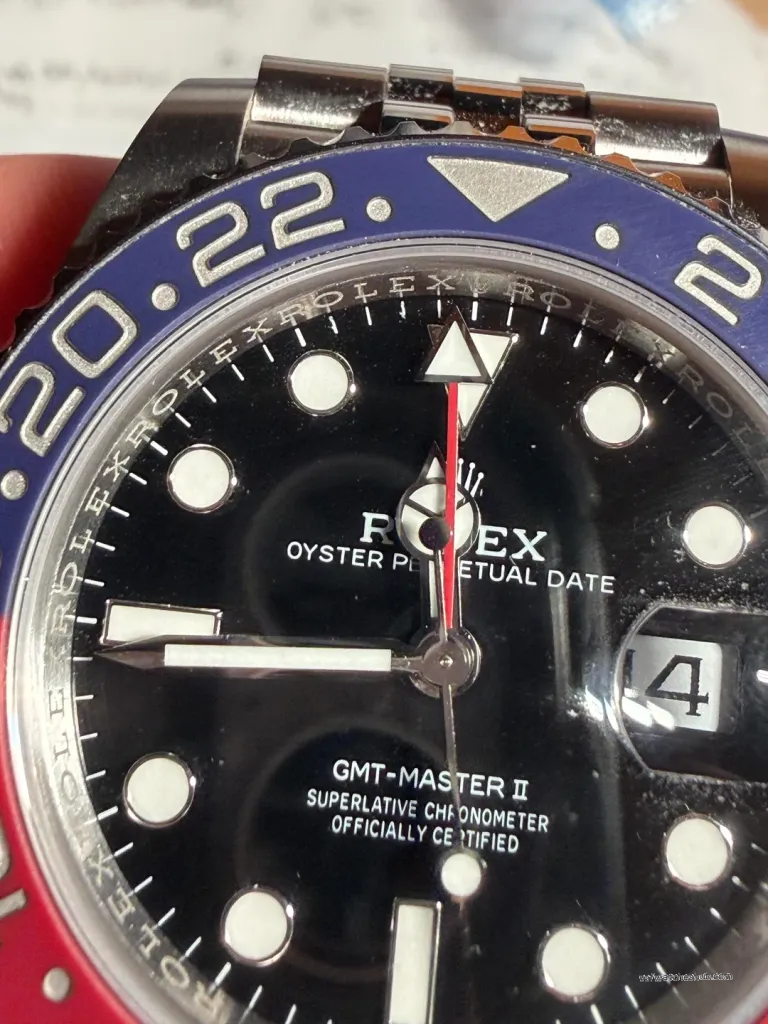
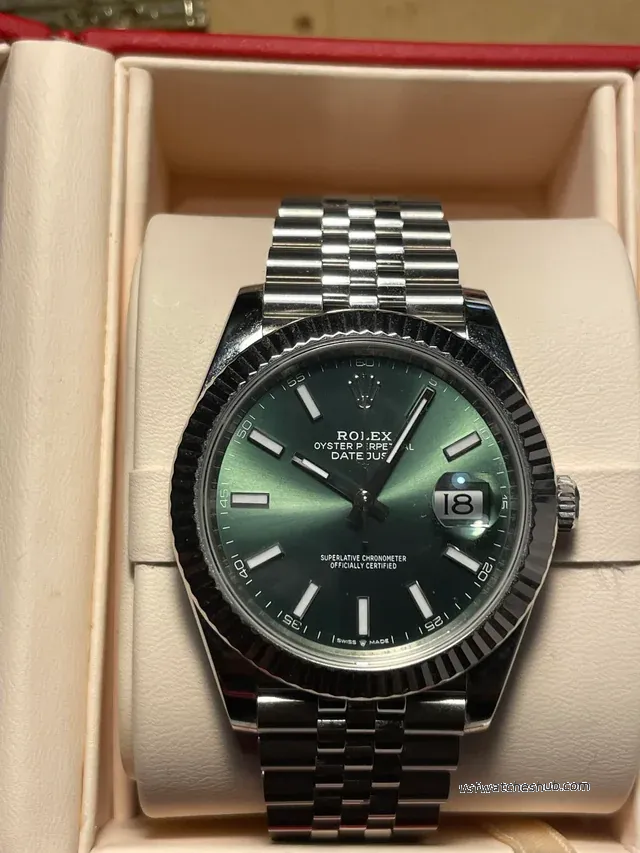
The caliber lineup worth knowing: DD3235 for Submariner with date, Datejust 41, Yacht-Master. DD3230 for the no-date models — it removes the dead crown position that generic movements leave behind. DD3285 for GMT-Master II, not the 3235, which is a spec error I correct weekly. DD4130 and DD4131 for Daytona.
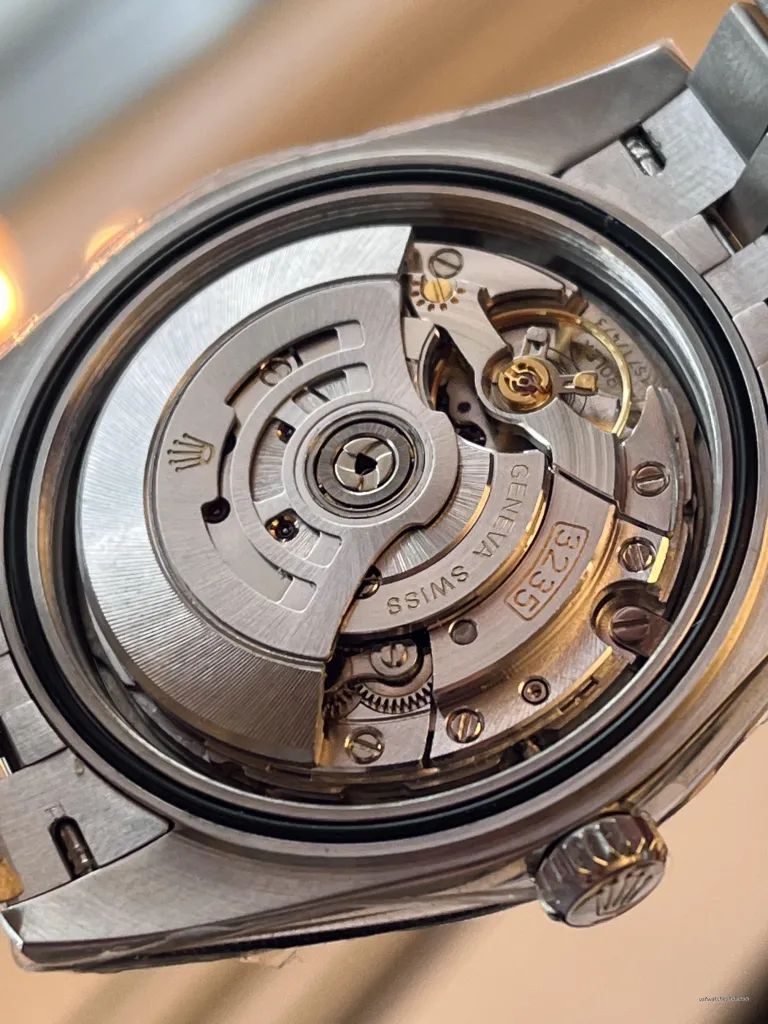
If you want the deep version on the most important caliber in this category, I broke down accuracy, power reserve, and the gen comparison in the 3235 movement review. It’s the reference I send customers who ask me to justify the price difference between two watches that look identical in photos.
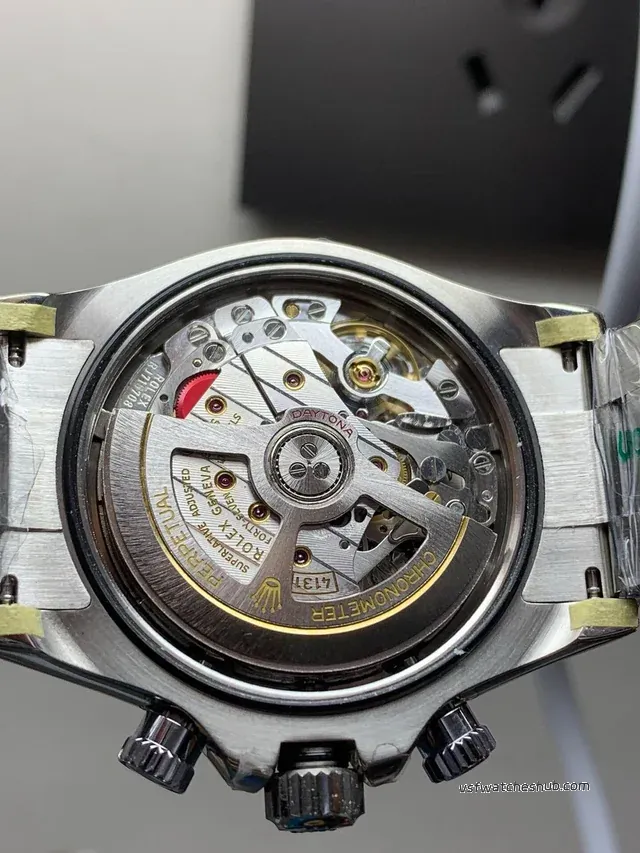
Older calibers still circulate and it helps to recognise them. The DD3135 sits in older 40mm Submariners and Datejust models and runs about four years by customer reports; the DD3130 handled the older no-date pieces. Both have been replaced by the 3235 and 3230.
Offered a 3135 as new stock in 2026? You’re looking at leftovers.
One honest caveat before we move on. Full spec sheets don’t exist for these calibers. Beat rate, jewel count, stated tolerance — none of it is published, because these factories publish nothing. What I have is measured power reserve on my own stock and return data across years. Anyone showing you an “official spec sheet” wrote it themselves.
Super Clone Watch Price Bands: $300, $600, $1,200 and Up
Real numbers ahead. “You get what you pay for” is a useless sentence without a price sheet attached.
Under $300. This isn’t a super clone band at all, and I want to be blunt because a lot of “affordable super clone” marketing lives here. At this level you’re buying a generic automatic in a decent case. It’ll look right in photos and pass at arm’s length. It will not have a cloned caliber, no matter what the product page says.
Skip it.
The trap in this band is that it photographs beautifully. Studio lighting hides soft print edges, flattens uneven lume, and makes a folded bracelet look solid. Every listing image at this level was shot to survive a phone screen rather than a wrist — and that’s not an accident, it’s the business model.
$400 to $600 — the real entry point. A steel sports Rolex with a cloned Dandong movement starts around $400, and that number is close to dealer cost with very little on top. A Submariner Date 126610LN lands near $600. Omega Aqua Terra runs $380 to $420, Seamaster Diver 300M $400 to $480, Panerai $400 to $500.
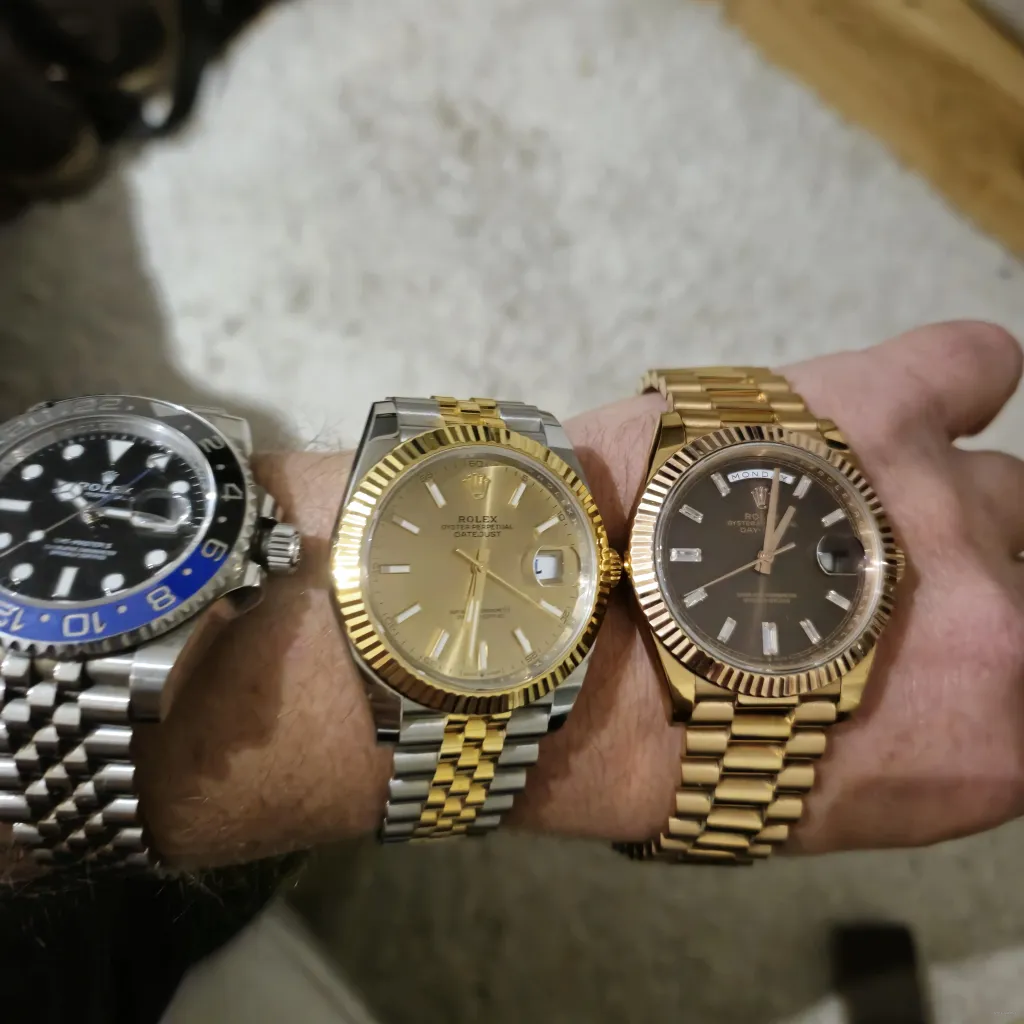
Within that range the model matters more than the brand for pricing. Datejust 41 sits a touch under a Submariner, with diamond-index versions carrying a premium that varies by how the stones are set. GMT-Master II lands slightly above a standard Submariner because of the caliber it needs.
Those three account for most of my monthly movement.
Most of what I ship sits in this band, and it’s where I’d point a first-time buyer. You can browse the full range in the VSF Rolex collection — the Submariner and Datejust lines carry most of the volume, and the pricing structure follows exactly what I’ve laid out here rather than moving around by season.
$800 to $1,100 — complications. Daytona chronographs live here, because the chronograph movement is the most expensive component any of these factories build. Planet Ocean 600M runs $450 to $550. Gold-tone pieces with proper internal tungsten weighting carry about $200 over the standard version — and that upcharge is one I consider genuinely fair.
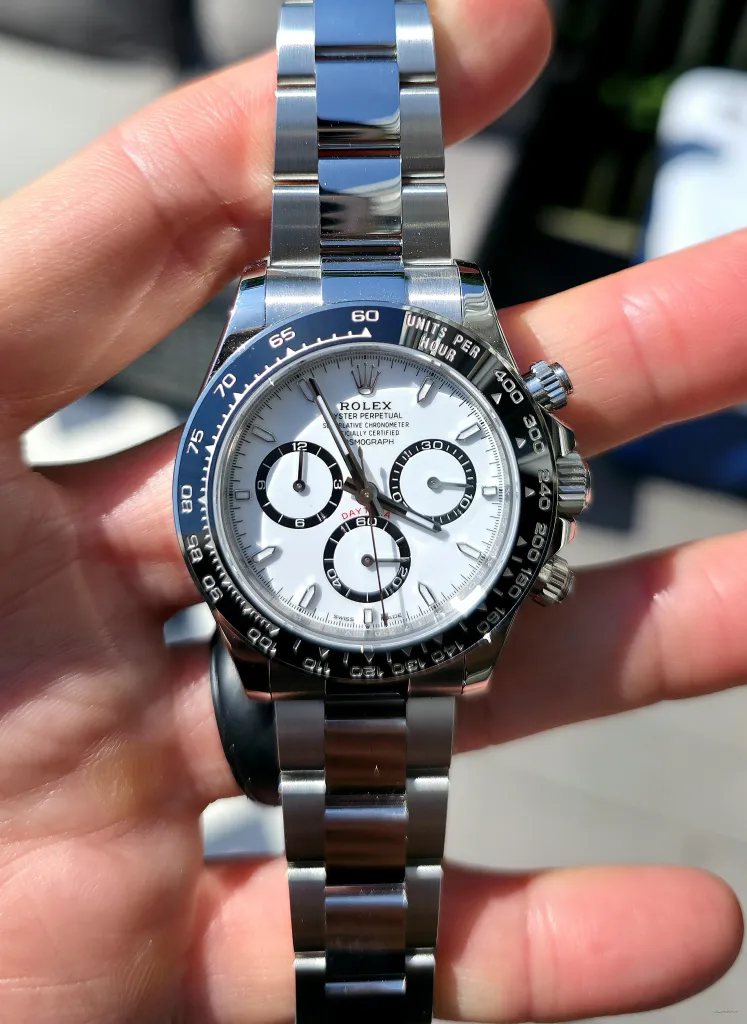
The gold weighting deserves a note because it solved a real problem. Genuine 18k gold is far denser than steel, so gold-tone replicas used to feel hollow the moment you picked one up. An internal tungsten counterweight ring brings the mass up without changing the look or adding case height — and it’s the only upcharge in this category I’ll defend without hesitation.
Notice what’s missing from the ladder: there’s no $2,000 tier. Past roughly $1,100 you’re not buying a better watch, you’re funding a bigger margin. If someone quotes $1,800 for a steel Submariner, they’re betting you don’t know where the ceiling is.
There is no premium build above the top of this range. It doesn’t exist.
Which Brands Actually Have Super Clone Versions
Not every brand has one, and the reason is pure economics. Tooling a cloned caliber costs a factory a fortune, and that only pays back on models that move in volume. So real tier-one work concentrates on a short list, and everything else gets a lower-tier build wearing the same label.
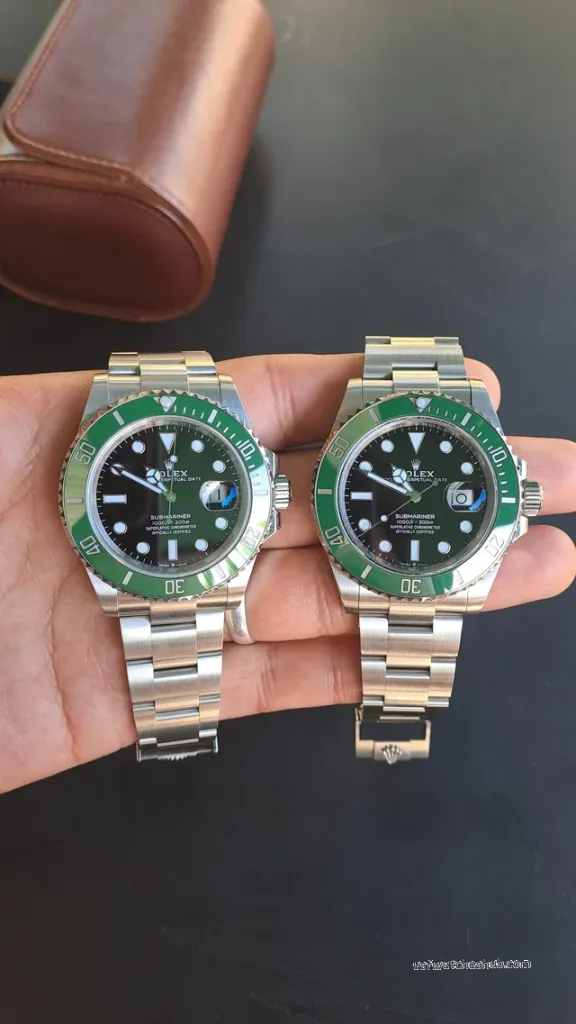
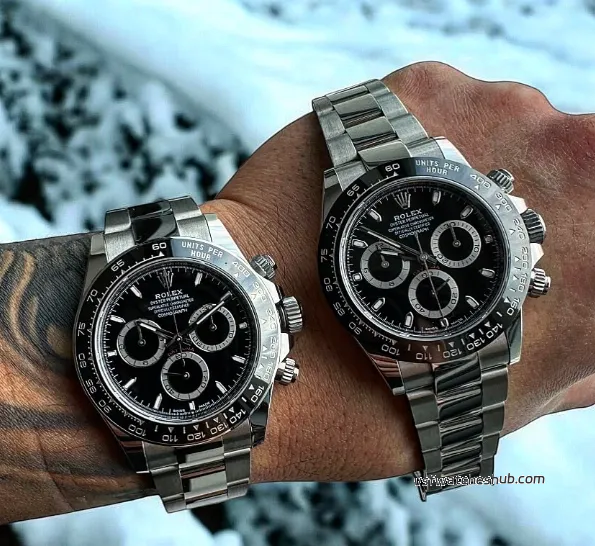
Rolex is the whole market. Roughly seven in ten inquiries I get are for a Rolex, and the internal ranking has held for years: Submariner first, the green Starbucks especially, then Datejust 41, Daytona, GMT-Master II, Yacht-Master, Explorer, Oyster Perpetual. I ranked the ones actually worth buying in the VS Factory Rolex rankings.
The factory landscape behind those brands shifted hard this year, which matters if you’re shopping off older forum threads. Clean Factory — for years the second big name, especially on Daytona and GMT — shut down in 2026. APS, which owned the Royal Oak category, had production cut off around the same time. What circulates from both is leftover stock.
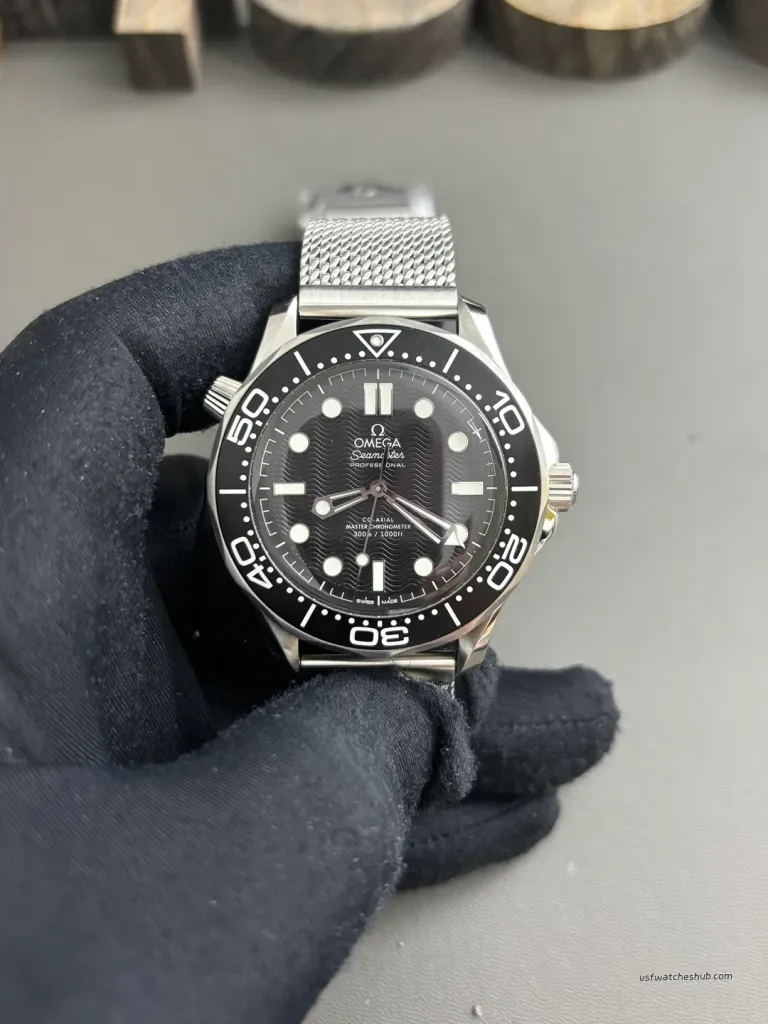
Omega is the strong second and underrated in the US. The Seamaster Diver 300M carries the line — it’s about half my Omega volume on its own, with the black dial the clear favourite. Aqua Terra and Planet Ocean split the remainder. The women’s sizes in both barely move — surprises people every time I mention it.
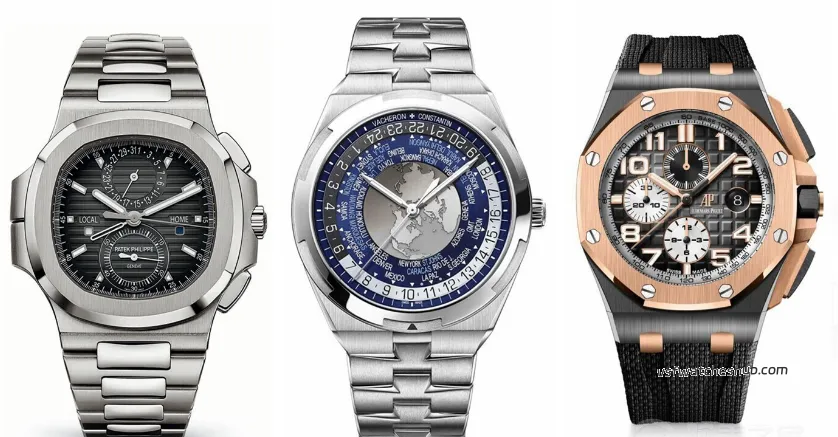
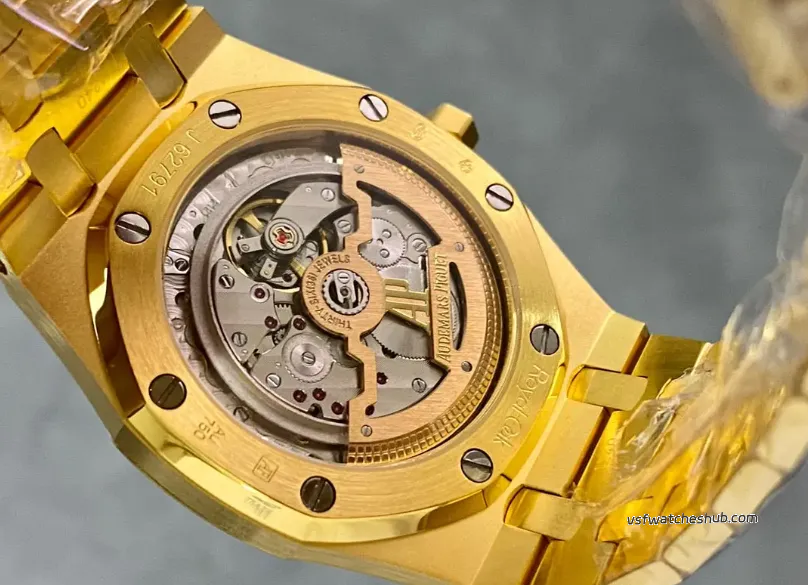
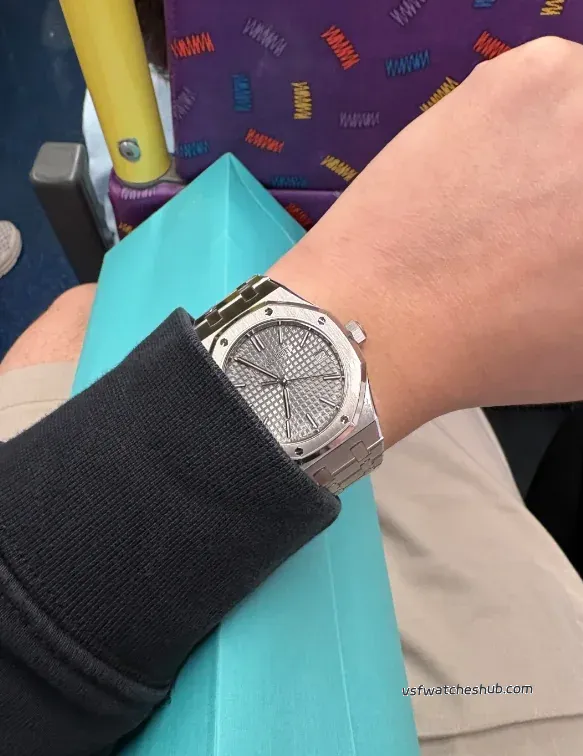
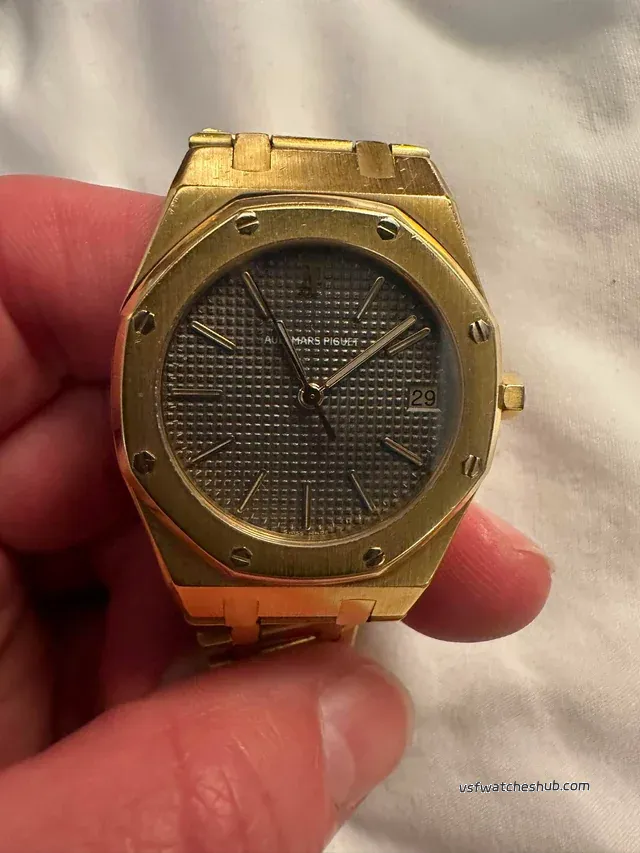
Audemars Piguet is essentially one family. Almost all the serious tooling went into the Royal Oak, because the Tapisserie dial and the beveled case facets are the hardest surfaces in this business to execute, and only a high-demand model justifies that spend. Step outside Royal Oak territory in the AP collection and quality drops off a cliff.
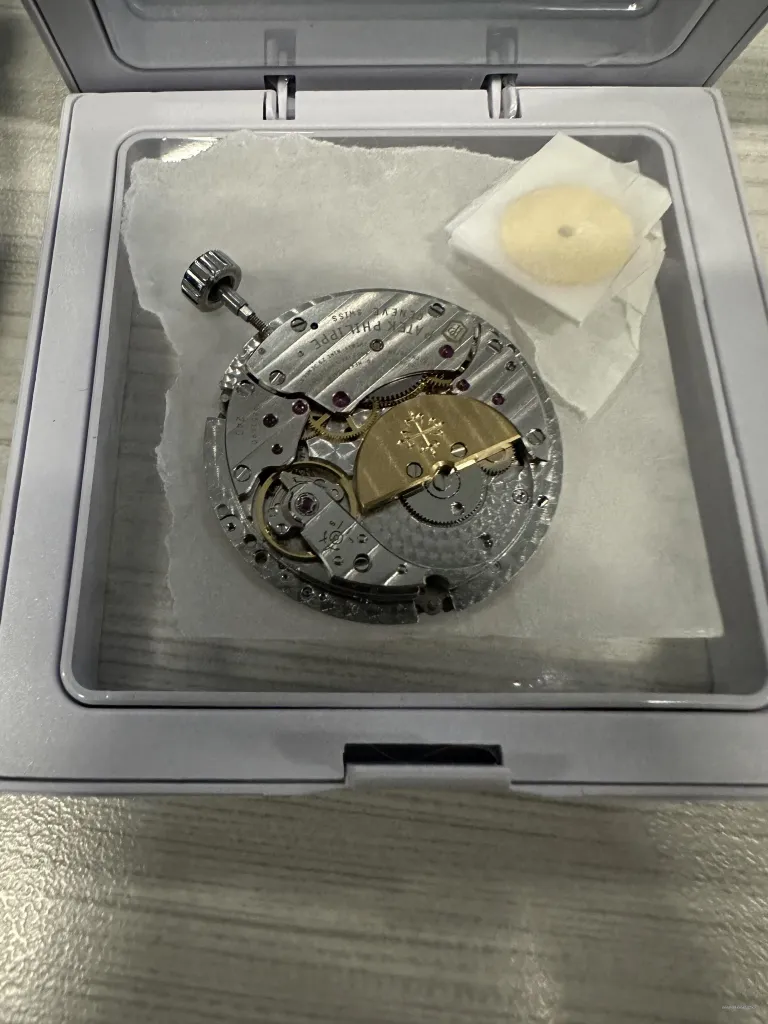
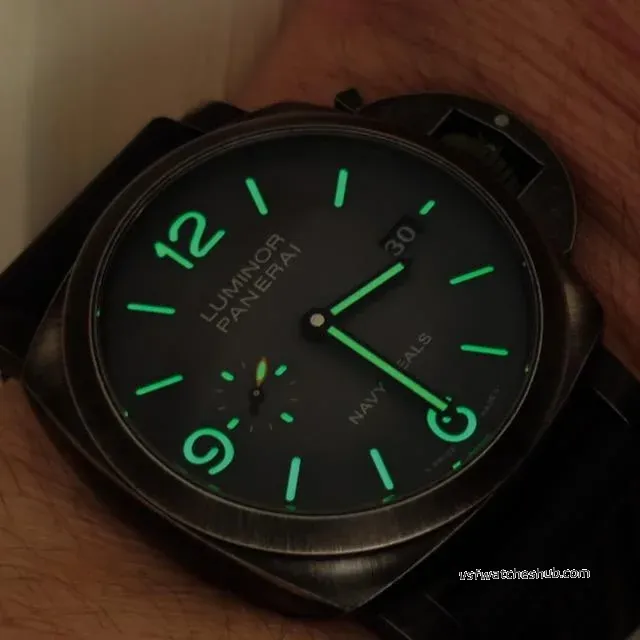
Panerai punches well above its reputation here. The cushion case and crown-guard bridge are forgiving shapes to reproduce cleanly, and the sandwich dial construction translates better than most people expect. Patek Philippe lives on the Nautilus and Aquanaut; the horizontal embossed 5711 dial is the single hardest surface to fake convincingly.
Now the ones with no genuine super clone, and I’ll say it plainly because nobody else will. Bulova. Movado. Victorinox. Tommy Hilfiger. Citizen. Those originals retail between $200 and $800 new.
No serious factory will tool up to copy a watch in that range — the payback isn’t there and never will be. Anything wearing those names is bottom tier by definition.
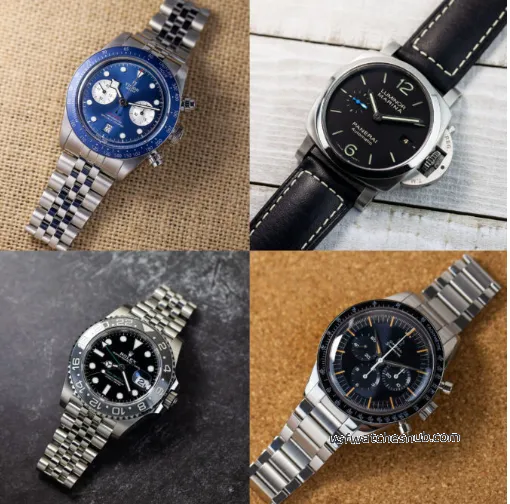
Tudor rounds out the list of brands genuinely worth the money. Demand in the US is modest compared to the names above it, but the Black Bay clones punch above what most people expect, and pricing sits comfortably in the entry band. It’s the recommendation I make most often to someone who wants a quality piece without the Rolex recognition.
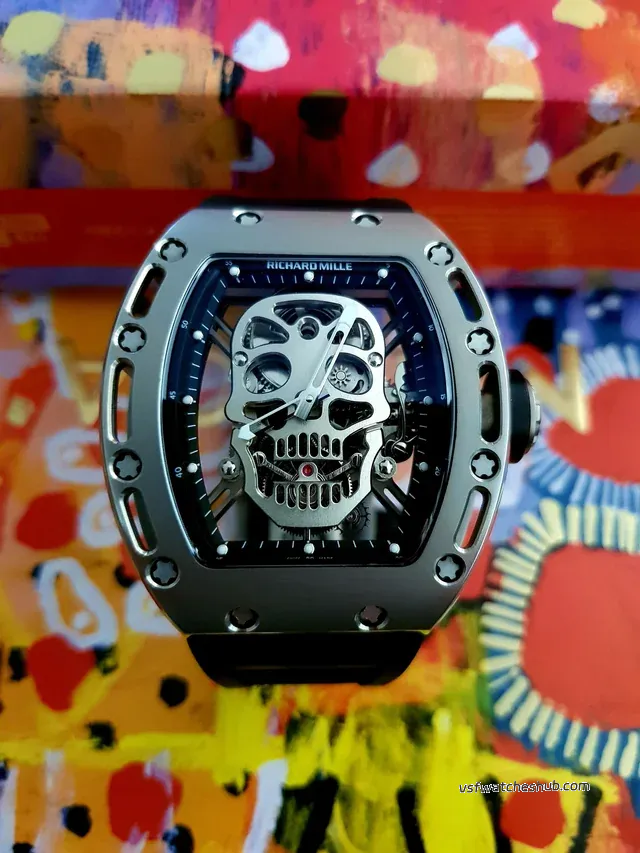
Richard Mille sits in its own awkward spot. The skeletonized architecture and case construction mean the good versions are expensive and the cheap ones look like toys under any real light. It’s the one line where I tell customers to either commit properly or skip it entirely — there’s no comfortable middle.
Are Super Clone Watches Legal to Buy in the US?
I’m a dealer, not a lawyer. Take this as a description of how things actually work rather than legal advice. But I get asked constantly and the vague non-answers most sites give aren’t helping anybody.
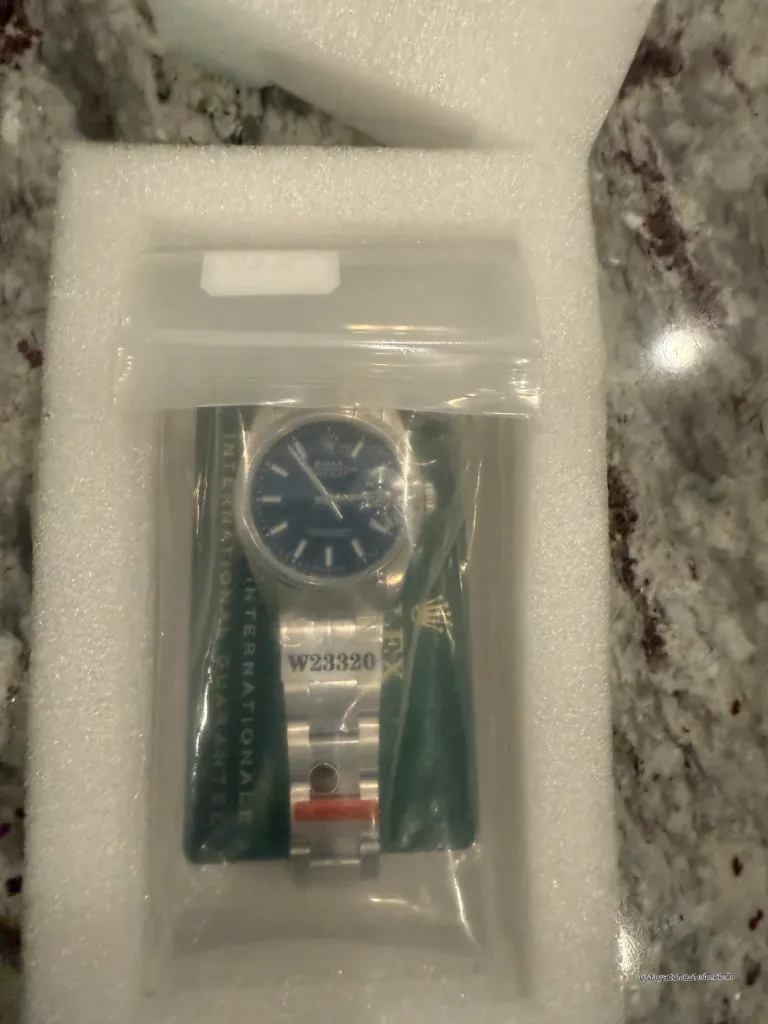
Two separate questions get mashed together here constantly, and separating them clears up most of the confusion. One is whether selling these is legal. The other is whether buying one for yourself is. The answers are not the same, and the sellers who keep them blurred are the ones benefiting from the blur.
The clear part: selling counterfeit trademarked goods in the US is illegal. Not a grey area, not a technicality. Manufacturing, distributing, and reselling all carry real consequences.
If your plan involves flipping these for profit domestically, this article isn’t going to help you — and I’d rather you didn’t buy from me.
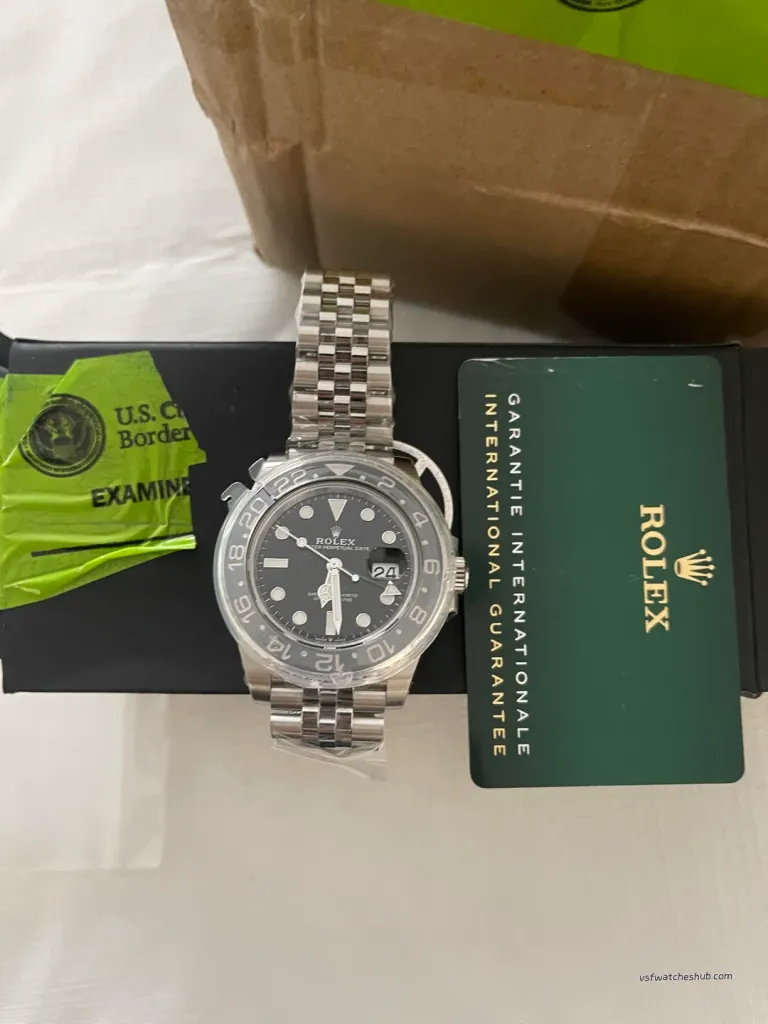
The murkier part is personal import. Bringing counterfeit-marked goods into the country is a customs violation and CBP can seize the parcel. There is a narrow personal-use provision in the regulations, but it’s limited, discretionary, and not something I’d plan a purchase around. Treat seizure as a real possibility rather than an edge case.
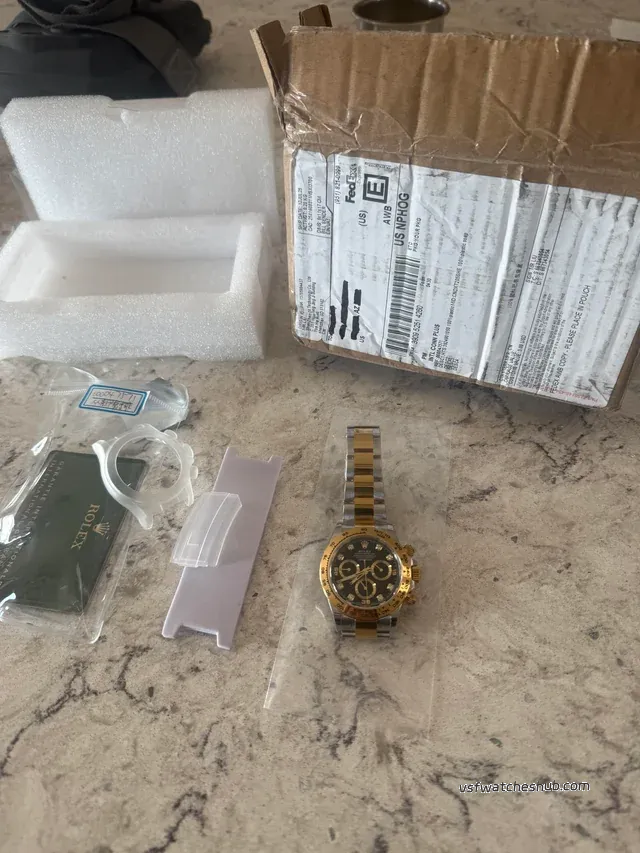
Worth adding: there’s no serial number that verifies against a brand database, and no insurer will schedule one as a luxury watch. If it’s lost or stolen, it’s simply gone. At $500 that’s an annoyance. At the top of the Daytona range it stops being trivial, and it belongs in the decision before you order rather than after.
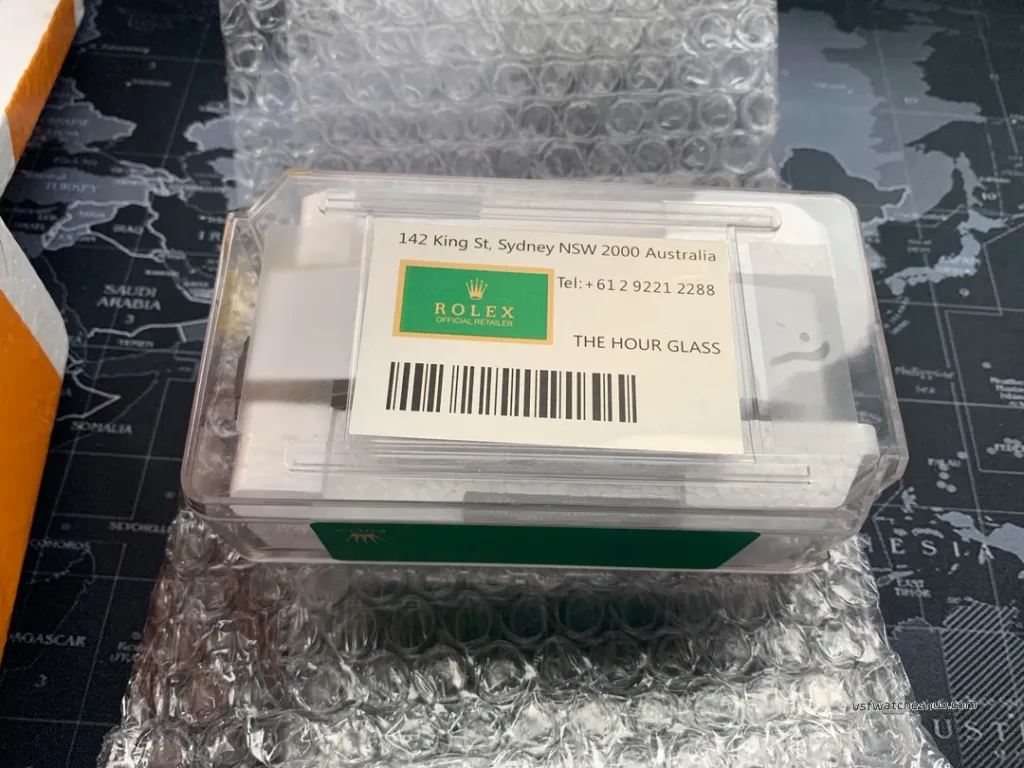
What I do about it on my end: shipping runs FedEx or UPS, roughly ten days door to door, and we clear through a dedicated team so you’re not paying duty. If a package does get seized, I reship free.
That’s not a marketing line. It’s the cost of operating at volume — and it’s the single most useful question to ask any dealer before ordering.
Servicing a Super Clone: What Breaks and Who Fixes It
Nobody thinks about this at purchase and everybody thinks about it in year three. Worth five minutes now.
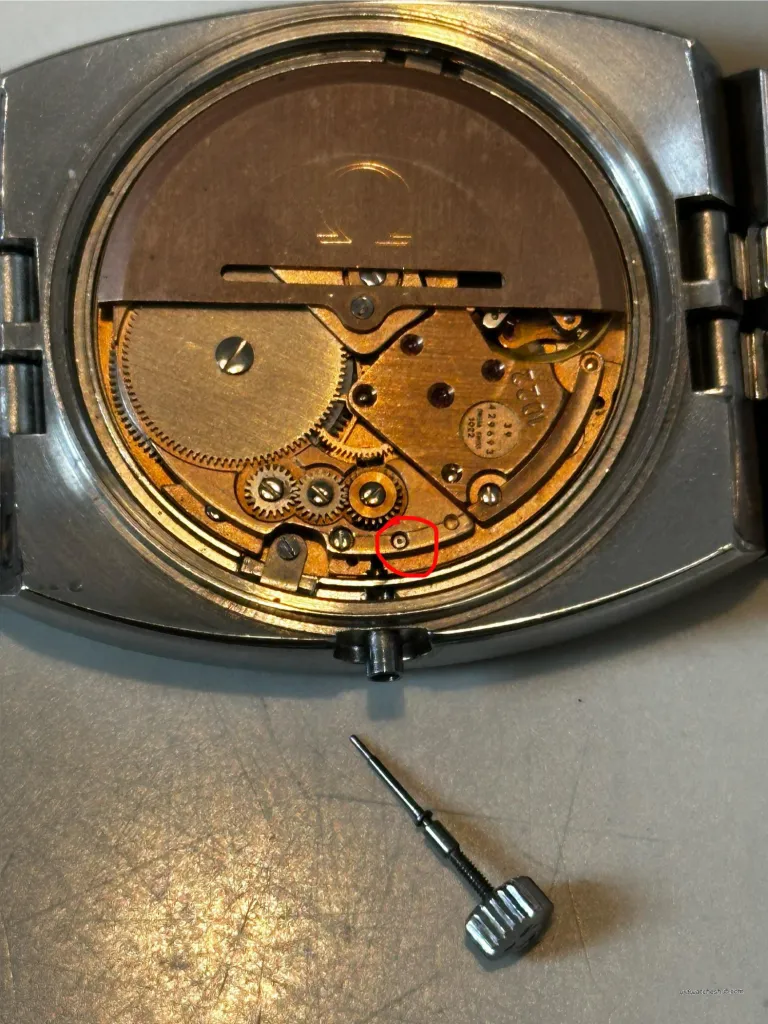
What actually fails, in order of how often I see it: crown and stem assemblies first, then bracelet clasp springs, then crystal chips from impact. Movement failures are the rarest category on Dandong calibers — exactly why the return rate sits where it does. Cosmetic and mechanical wear parts are the realistic concern, not the caliber itself.
Water resistance holds up better than people expect on the dive models. I’ve left a Datejust, a Yacht-Master and a Daytona submerged in a glass for around six hours each with no ingress. Sports models like the Submariner handle swimming without drama. Dress models will take splashes and handwashing, but there’s no reason to push them.
Expected life, based on years of customer feedback rather than any published figure: DD3235 and DD3230 run five years plus, DD4130 and DD4131 the same, the Omega calibers around four. Nobody official publishes lifespan data for these movements, so treat those as field observations from my own sales — not manufacturer claims.
Parts availability is the real dividing line between tiers here, and it’s invisible at purchase. A cloned caliber that follows the original architecture has parts that exist in the ecosystem. A generic movement in a case that was never designed for it has nothing — the seller sourced whatever was cheap that month, and nobody stocks it.
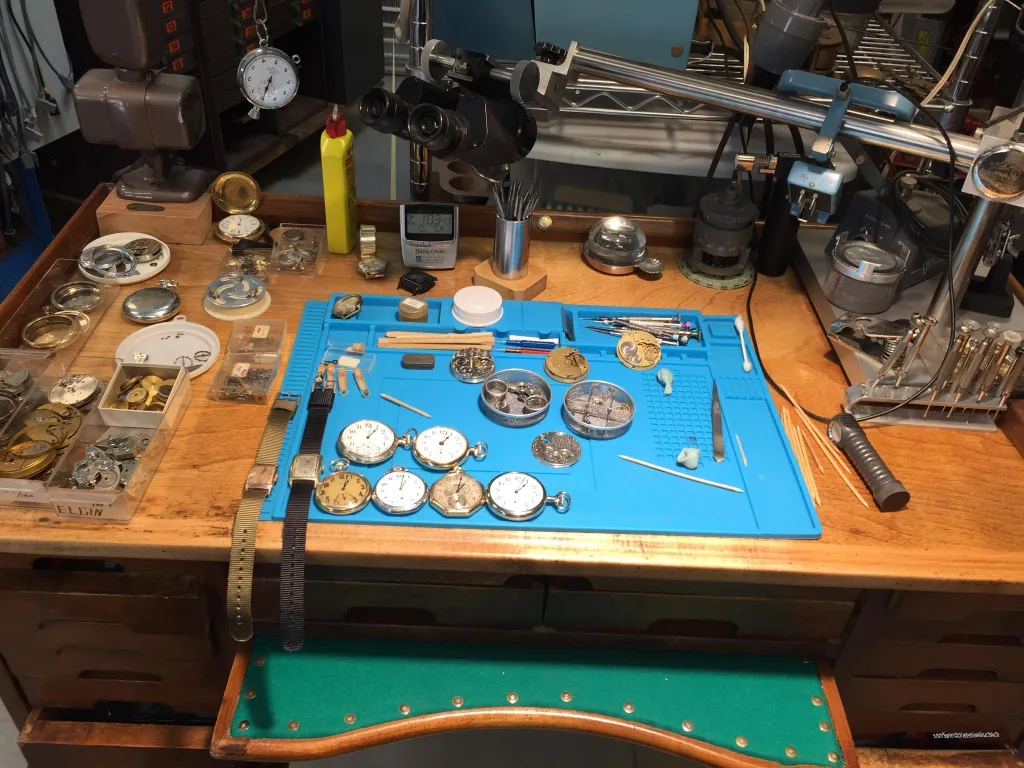
Who fixes it: not an authorized service center, obviously. Your options are the dealer who sold it to you, or an independent watchmaker willing to work on the piece. Plenty will — the architecture matches the original closely enough that a competent independent can handle routine work without special training.
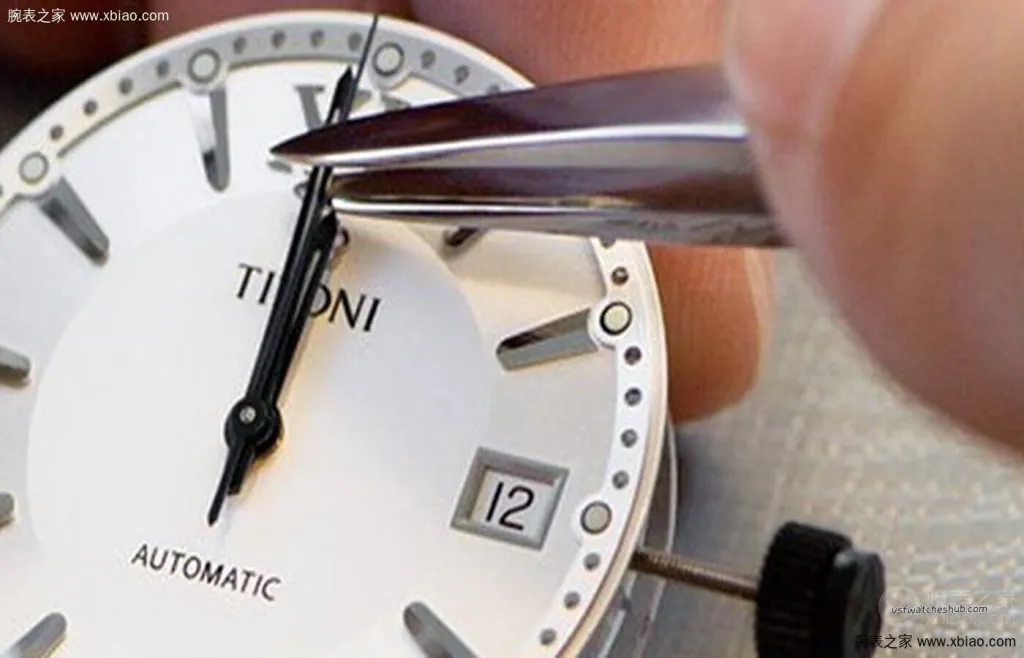
My own policy, so you can benchmark others against it: replacement parts — straps, lug pieces, hands, crowns, sapphire crystals — are free, and you cover shipping. What I don’t offer is “free lifetime repair.” Nobody in this business can honestly promise that, and the sellers who advertise it are counting on you never needing to test it.
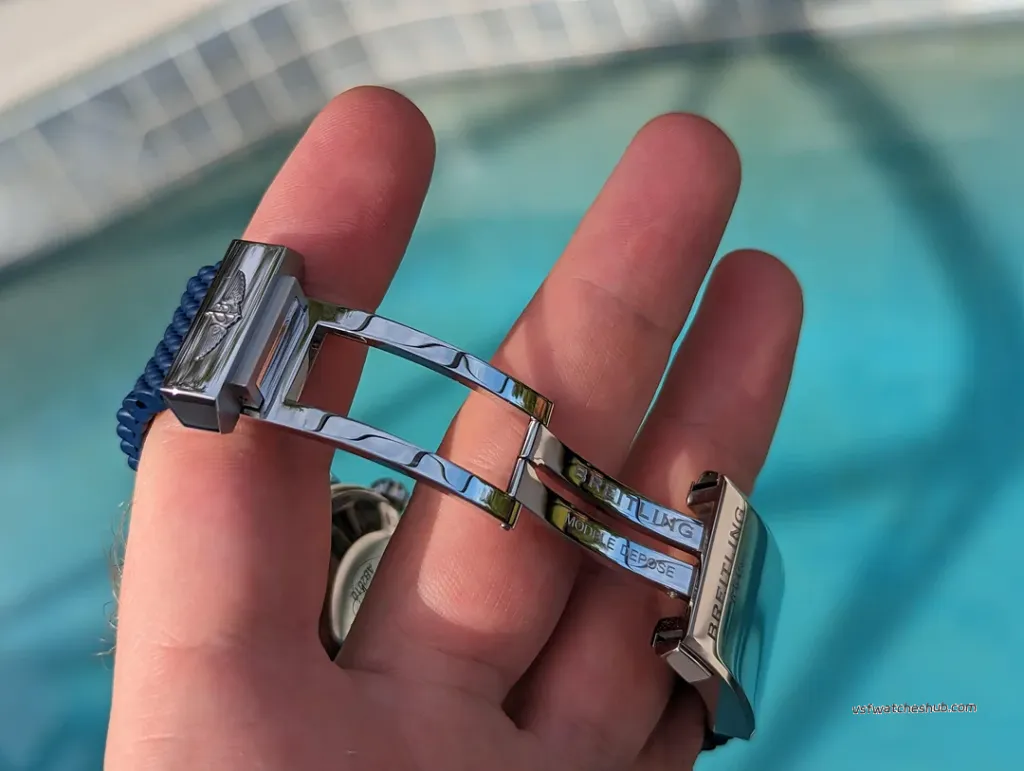
Case in point from last year. A customer named Delgado in Phoenix came to me in 2025 after the crown stem stripped on a piece he’d bought elsewhere for $240, sold to him as a super clone. Generic movement. No parts available anywhere. Seller had gone quiet.
The watch was unrepairable — not because it broke, but because nothing existed to fix it with.
Frequently Asked Questions
What is a super clone watch?
A replica where the movement is a structural copy of the original caliber, not just a generic automatic behind a display back. Cases use matching materials — 904L steel on Rolex models, sintered ceramic bezels, sapphire crystals. The full breakdown is in my dedicated guide.
Are super clone watches worth the money?
At $400 to $600 for a steel sports Rolex, yes — if you want the look and understand the limits. At $250 you’re buying a lower tier with a super clone label, which is never worth it. Above $1,100 for a steel model, you’re paying someone’s markup, not for a better watch.
Are super clone watches legal?
Selling them in the US is clearly illegal. Personal import is a customs violation and parcels can be seized, though a narrow personal-use provision exists in the regulations. I’m a dealer rather than a lawyer, so treat that as a description of the practical situation, not legal advice.
How long does a super clone watch last?
On Dandong movements, five years plus for the Rolex calibers and roughly four for the Omega family, based on customer feedback across years of sales. Shanghai movements run noticeably shorter. Wear parts — crowns, stems, clasp springs — are what you’ll actually replace, not the movement.
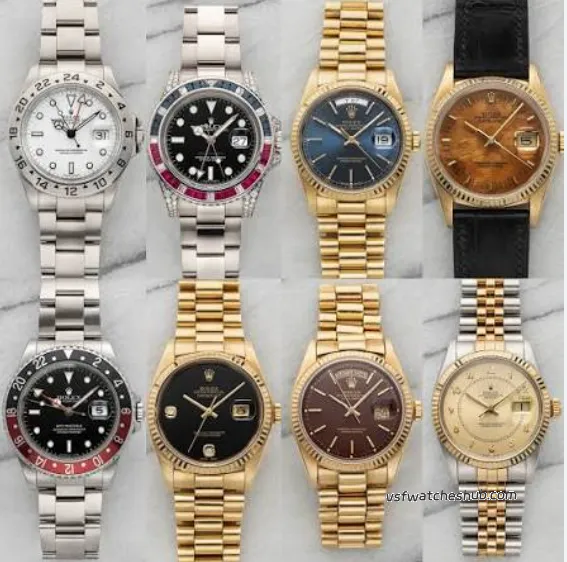
If you take four things from this page: ask for the caliber code, treat anything under $400 for a steel sports Rolex as a lower tier regardless of the label, demand QC photos of your actual piece, and ask what happens if customs takes it. Those four questions sort the market faster than any review ever will.

Ray Li——VSF
RELATED POSTS
Is the VSF Rolex Air-King 126900 Worth Buying? An In-Depth Super Clone Review
Replica AP Watch: Audemars Piguet Royal Oak Replica Guide
Super Clone Rolex: The Models Worth Buying and the Ones That Still Fail QC
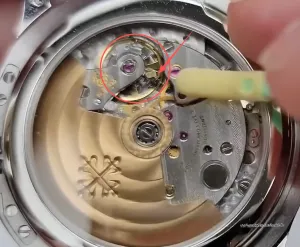
Super Clone Free Sprung Movements: What’s Real and What’s Just a Cover Plate
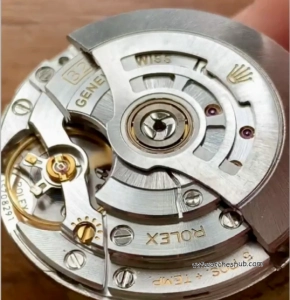
VS Factory Rolex 3235 Movement Review, Accuracy, Power Reserve and Comparison Guide