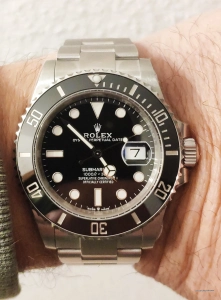
Trusted VS Factory Agent · 1:1 Super Clone Watches

What Is a Super Clone Watch — And Why the Term Gets Thrown Around Way Too Loosely
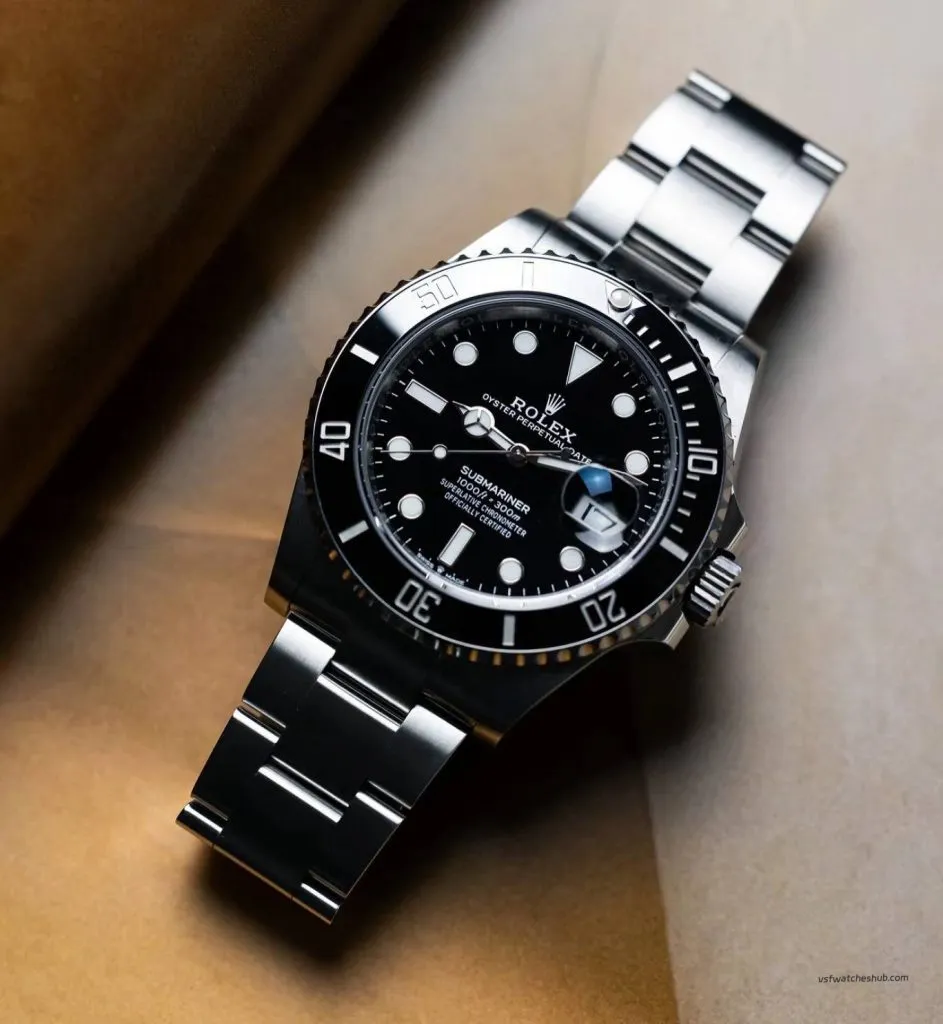
Look, I’ve been dealing VSF replicas since 2015 — that’s over a decade of shipping watches, handling QC, dealing with customs, fielding client questions at 2am. And “super clone” is hands-down the most abused term in this industry right now.
Every TikTok seller. Every Instagram DM merchant. Every $80 DHGate listing.
They all slap “super clone” on the product like it’s a magic sticker that makes a cheap watch premium.
It doesn’t work that way.
A real super clone is a specific tier — the absolute top. Same grade of steel as the genuine. Clone movements engineered to match the original caliber’s architecture. Finishing to a standard where you genuinely cannot tell the difference on your wrist. Not “kinda close.” Not “good for the price.” Indistinguishable under normal conditions.
Here’s the thing though — there’s no official certification, no stamp, no industry body deciding what qualifies. So the term’s been diluted to the point where a $120 watch with a mineral crystal and a basic Chinese movement gets called “super clone” because the seller knows that’s what buyers are searching for.
Between us? I’ve personally inspected every VSF piece that’s left my warehouse since 2019. Thousands of watches, shipped across the US, UK, and Europe. I know exactly what separates a real super clone from a dressed-up mid-tier. After reading this, you will too.
Super Clone vs Replica vs Fake — The Quality Tiers Most Buyers Miss
The replica market operates on a tier system. Not every seller will explain this to you — most won’t, because they’re selling you mid-tier at super clone prices.
Here’s how it actually breaks down:
| Tier | Materials | Movement | Price Range | Tell vs Genuine |
|---|---|---|---|---|
| Low-tier / Fake | Alloy or cheap 316L steel, mineral glass | Generic Chinese quartz or basic automatic | $30–$80 | Obvious at arm’s length |
| Mid-tier Replica | 316L steel, sometimes sapphire crystal | Modified Asian automatic (Miyota, DG, Sea-Gull) | $100–$250 | Visible under close inspection |
| High-tier Replica | 904L steel, sapphire crystal, ceramic bezel | Clone movement (often Shanghai-made) | $300–$450 | Takes knowledge to spot |
| Super Clone | 904L steel, sapphire with AR coating, ceramic, matched weight | 1:1 clone movement (Dandong-grade) | $450–$800+ | Not distinguishable on wrist |
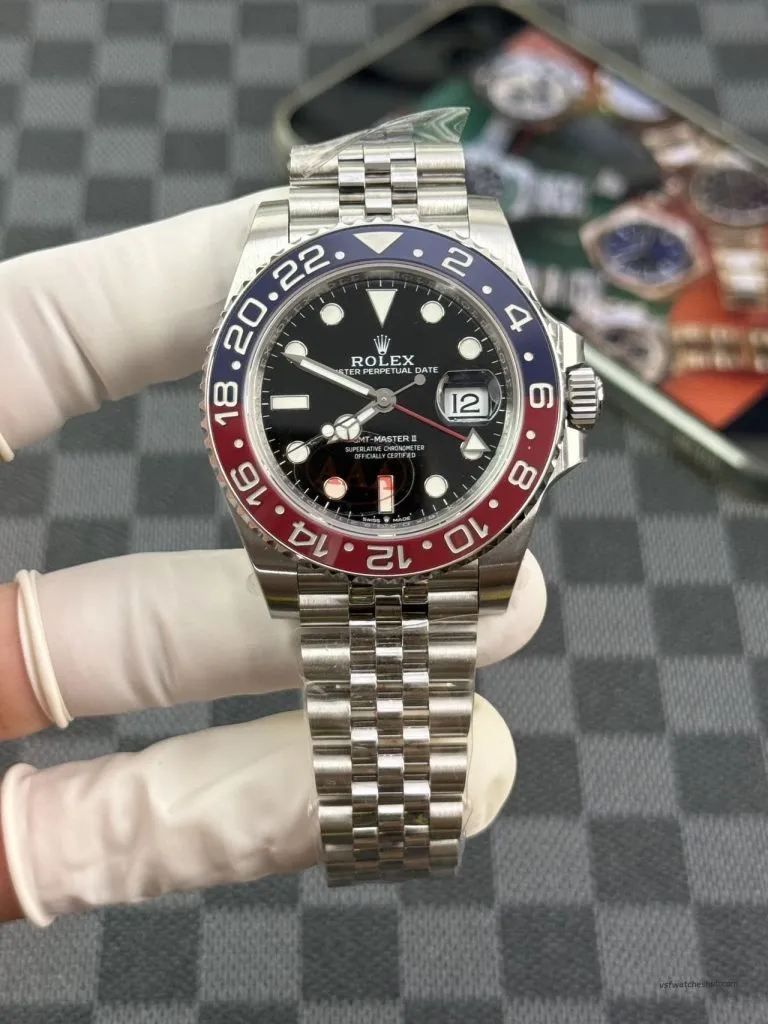
The jump from mid-tier to super clone isn’t incremental. It’s a completely different product.
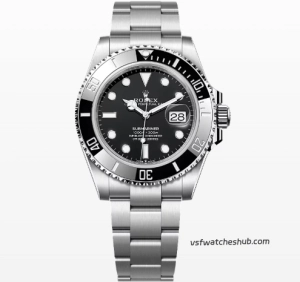
A mid-tier Submariner uses 316L steel (the standard surgical steel you’d find in a $200 fashion watch), a basic movement that might keep time within 15–20 seconds a day, and a bezel that feels plasticky compared to genuine ceramic. A super clone? Same 904L Oystersteel grade Rolex uses. Clone movement with 70-hour power reserve matching the genuine Calibre 3235. Ceramic bezel insert with platinum-filled numerals.
Most buyers who get burned on “super clones” actually bought high-tier replicas marketed with the wrong label. I’ve broken down the differences between replica watch price levels in detail before — worth a read if this is your first rodeo in this market.
What Actually Makes a Watch “Super Clone” — Materials, Movements, and the Details That Matter
Forget marketing.
Here are the five things I check on every watch before it leaves my hands. Hits all five, it’s a real super clone. Misses even one, it’s not.
1. Steel Grade: 904L or Nothing
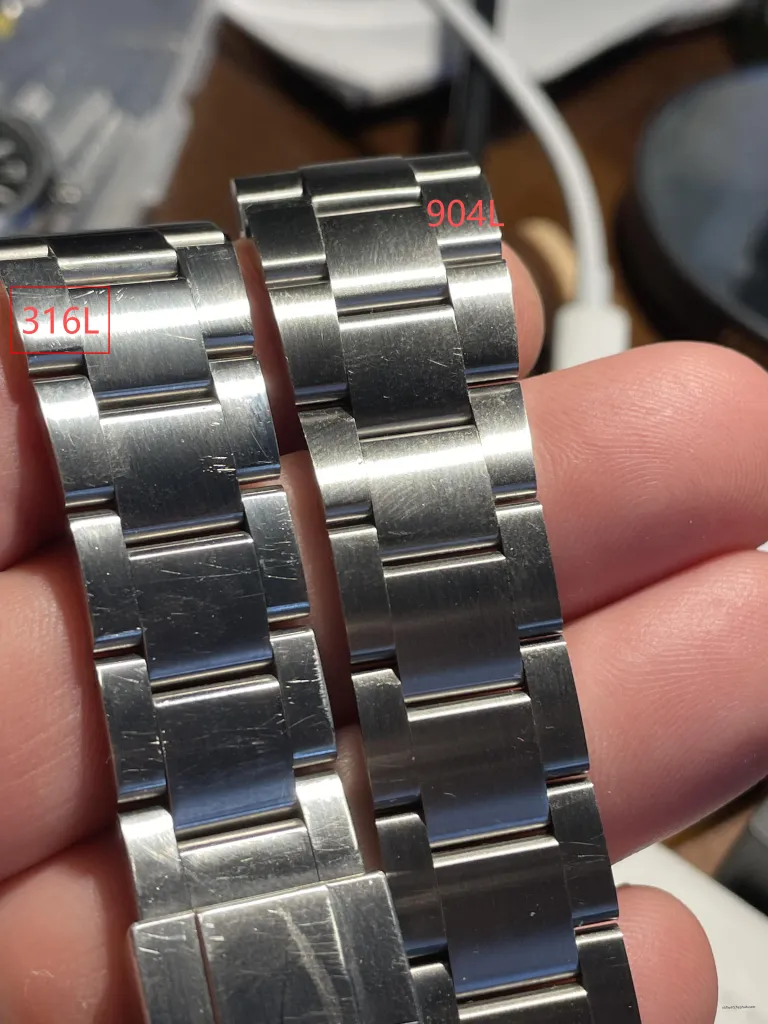
Genuine Rolex uses 904L Oystersteel. It’s softer than 316L (more prone to hairline scratches), but corrosion resistance is superior and there’s a distinctive warm luster that 316L simply can’t replicate. You can feel it the moment you pick up the watch — 904L has a density and polish depth that makes 316L look flat.
Every super clone worth the name uses 904L. Raw material cost difference between 904L and 316L is significant, which is why mid-tier factories skip it.
Seller tells you their $150 watch uses 904L? They’re lying.
2. Movement Architecture
This is where the money is.
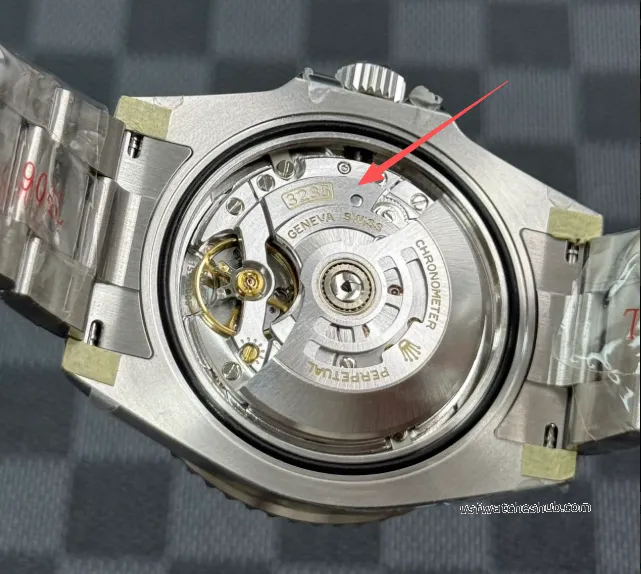
A super clone movement isn’t just “an automatic that works.” It’s a 1:1 clone of the genuine caliber — same architecture, same rotor design, same bridge layout, same power reserve. The best ones come out of Dandong, China, and they’ve hit a level that genuinely surprised me when I first saw them.
Take the Dandong 3235 (also called DD3235 or VS3235 — same movement, different naming). Clones the Rolex Calibre 3235 down to the bridge engravings. 70-hour power reserve, matching the genuine. Calendar quickset works identically. Crown pull has no empty detent on no-date models (the DD3230 variant killed that old flaw). I’ve got clients using these daily for 5+ years with zero service issues.
Compare that to Shanghai-made clones (SH3235) some other factories use — about 60 hours of power reserve, and noticeably higher failure rates long-term. Both “look” like a 3235 inside. Only one performs like it.
3. Weight
This one catches most fakes.
A genuine Rolex Submariner 126610LN in full steel weighs a specific amount. A super clone version should sit within 3 grams of that — close enough you literally cannot feel the difference without a precision scale. When I weigh the steel Submariners we ship, the gap is consistently negligible.
Gold models are trickier because genuine pieces use 18K gold (heavy), while replicas use plated steel. But the best factories now use tungsten counterweight rings inside the case to match genuine weight. Not lead blocks shoved inside (that’s what cheap factories do). Not thickened steel plates. Precision-machined tungsten rings that add mass without affecting case profile.
4. Crystal and Bezel
Sapphire crystal with anti-reflective coating. Not mineral glass. Not “hardened glass.” Not “sapphire-coated.” Actual lab-grown sapphire, same hardness as genuine.
The cyclops magnification on a Rolex should be 2.5x — most mid-tier replicas get this wrong, and it’s one of the easiest tells.
Ceramic bezel inserts on Submariner, GMT-Master, Daytona? Should have platinum or gold-filled numerals, not painted. You can feel the fill with your fingernail on a real super clone. Painted numerals wear off within months.
5. Lume Performance
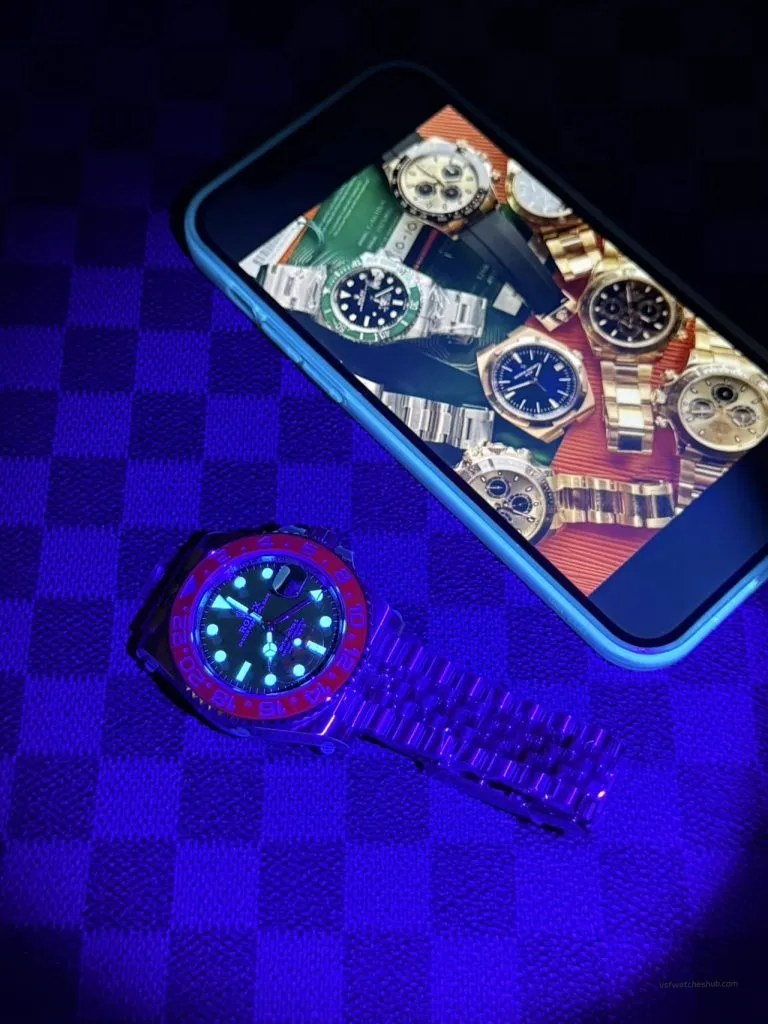
Super clones use dual-color lume matching the genuine configuration. On an Omega Seamaster, that means green lume on the minute hand and pip, ice-blue on everything else. Initial brightness matches genuine.
The one honest difference I’ll tell you: lume duration is slightly shorter than genuine on most super clones. Not a dealbreaker for daily wear, but it’s the one place where a super clone still falls a hair short.
Which Factories Actually Make Real Super Clone Watches in 2026
Not every factory claiming “super clone” delivers it. After a decade sourcing directly from Chinese factories, here’s my honest breakdown of who actually operates at super clone level right now:
VS Factory (VSF) — The benchmark. Dandong movements across their entire Rolex and Omega lineup. 904L steel on every model. Out of the hundreds of VSF pieces we’ve shipped, return rate sits under 1%. If you’ve ever wondered what VSF means and why people keep recommending them, it’s because the product speaks for itself. They don’t do marketing — the watches do the talking. Submariner, Datejust, Daytona, GMT-Master, Seamaster, plus the new Royal Oak 15500 with the Dandong 4302 — all genuine super clone tier.
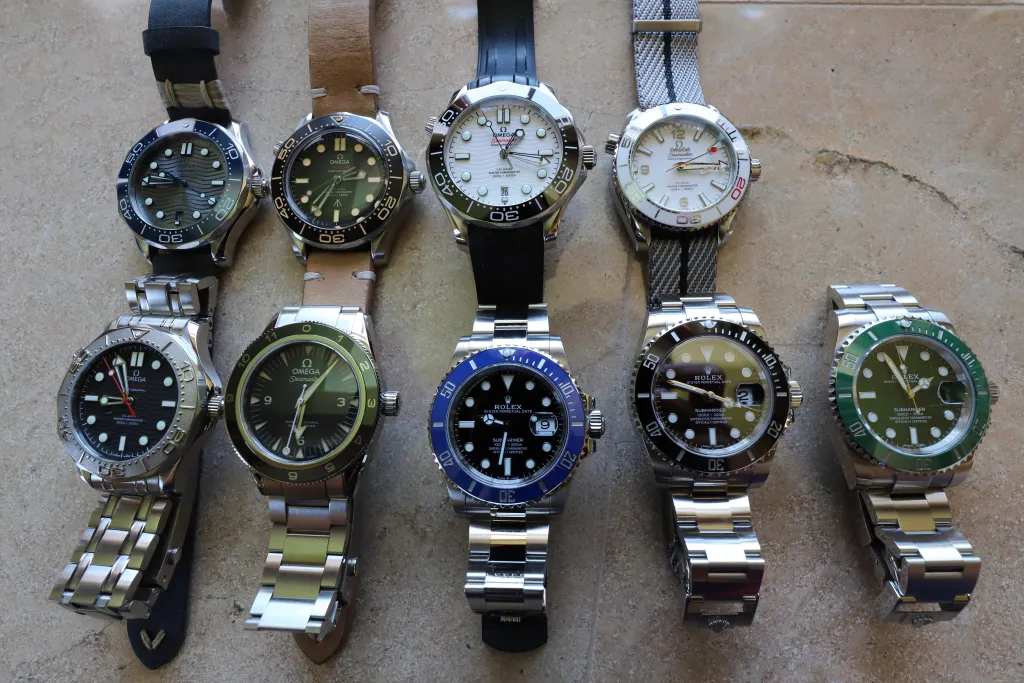
Clean Factory — Super clone level on certain models, particularly Datejust and Submariner with 904L steel. Bezel and bracelet finishing on the Datejust is actually a touch better than VSF in some areas (the fluted bezel polish, specifically). But here’s where I get real: Clean uses Shanghai-made clone movements, and long-term reliability doesn’t match Dandong. Their marketing’s aggressive — every new batch gets a “V2” or “V3” label — but the after-sales complaint rate is noticeably higher than VSF on my books. Super clone exterior, less reliable engine.
ZF Factory — Solid super clone tier for IWC Portugieser, Blancpain Fifty Fathoms, and certain Audemars Piguet models. ZF uses Dandong-commissioned calibers for some movements (like the clone IWC 51111), and their case finishing is excellent. Not a Rolex factory though. Someone sells you a “ZF Submariner”? Walk away.
APS Factory — Royal Oak specialists. Their 15500 and 15202 with Dandong clone movements hit super clone standards. 904L steel, correct tapisserie dial texture, proper screw alignment. Worth considering if AP is your target.
3K Factory — Patek Philippe specialist. Their Nautilus 5711 and Aquanaut 5167 are the closest to genuine you’ll find anywhere. Niche factory, limited range, but what they make is excellent.
Everyone else? Honestly, most fall into the “high-tier replica” bucket at best. A few put out individual models that touch super clone quality, but they don’t sustain it across their lineup.
How Scammers Use “Super Clone” to Sell You a $100 Watch for $400
This is the part that frustrates me the most as a dealer.
Because every scam seller who gets caught makes legitimate sellers look bad too.
Here’s what happens: a seller on social media (usually TikTok, Instagram, or WhatsApp) lists a “VSF Super Clone Submariner” for $350–$400. Sounds reasonable. You pay. What arrives is an EWF or some other budget factory’s product — same general shape, completely different quality. Movement’s a basic Asian 2813 or Miyota, steel is 316L (or worse), bezel insert is painted. Total production cost to the seller: maybe $60–$80.
Had a client from Florida reach out to me last October after getting burned exactly like this. Paid $380 on Instagram for what was advertised as a “VSF Submariner 126610LN.” When it arrived, weight was off by nearly 30 grams, date magnification was wrong, movement ran 18 seconds fast per day. He sent me photos — clearly an EWF or similar budget factory product worth $70 wholesale. He ended up ordering the real VSF version through us, and when he compared them side by side, he said it was “like comparing a Toyota Camry to a Lexus LS.”
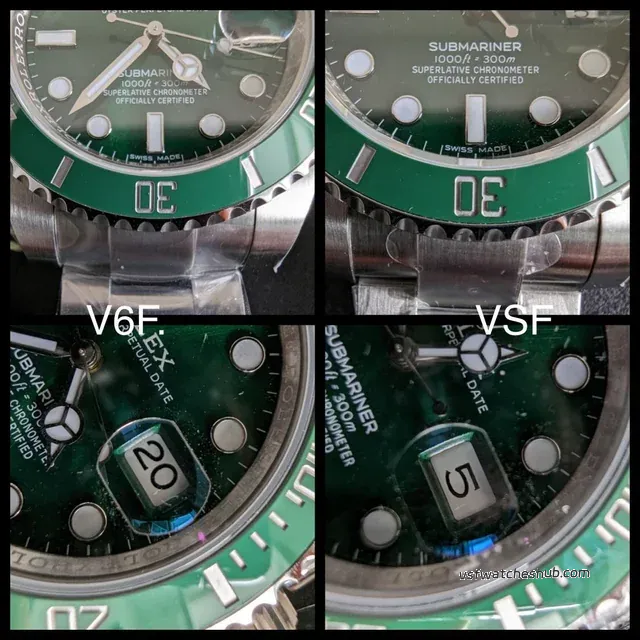
Red flags to watch for:
- Price below $400 for a Rolex super clone — A genuine VSF Submariner runs around $600 at dealer level. Below $400 for any Rolex super clone isn’t possible with legitimate product.
- Ships within 24–48 hours (non-stock item) — Real super clone factories ship once every 1–2 weeks for security reasons. Seller promises next-day shipping on a non-stock item? They’re pulling from a different (cheaper) inventory.
- No QC photos before shipping — Any legitimate dealer sends you quality control photos of YOUR specific watch before it ships. No QC, no buy.
- Won’t tell you the factory name — They say “super clone” or “best quality” but dodge when you ask which factory. Real dealers name the factory because it’s the entire value proposition.
Want to know where legitimate dealers actually operate? I’ve covered that in my guide to trusted VSF watch sellers.
How Much Does a Real Super Clone Watch Actually Cost
Real numbers. Not “starting from” marketing prices — actual market prices for genuine super clone product from top factories in mid-2026:
| Watch | Factory | Super Clone Price | Genuine MSRP |
|---|---|---|---|
| Rolex Submariner 126610LN | VSF | $550–$650 | $10,000+ |
| Rolex Daytona 126500 (4131 mvt) | VSF | $700–$850 | $15,000+ |
| Rolex Datejust 41 126334 | VSF / Clean | $500–$600 | $10,500+ |
| Rolex GMT-Master II 126710 | VSF | $550–$650 | $11,000+ |
| Omega Seamaster 300M | VSF | $400–$500 | $5,800+ |
| AP Royal Oak 15500 | VSF / APS | $550–$700 | $25,000+ |
| Patek Philippe Nautilus 5711 | 3K | $500–$650 | $35,000+ |
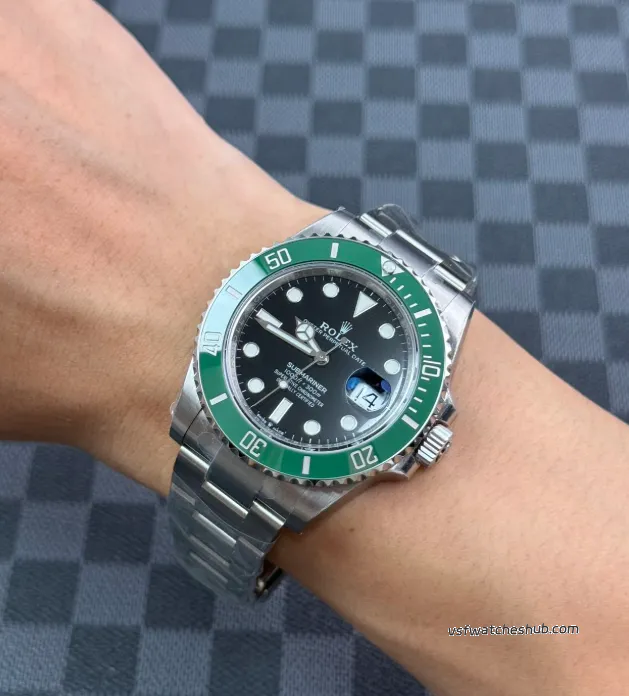
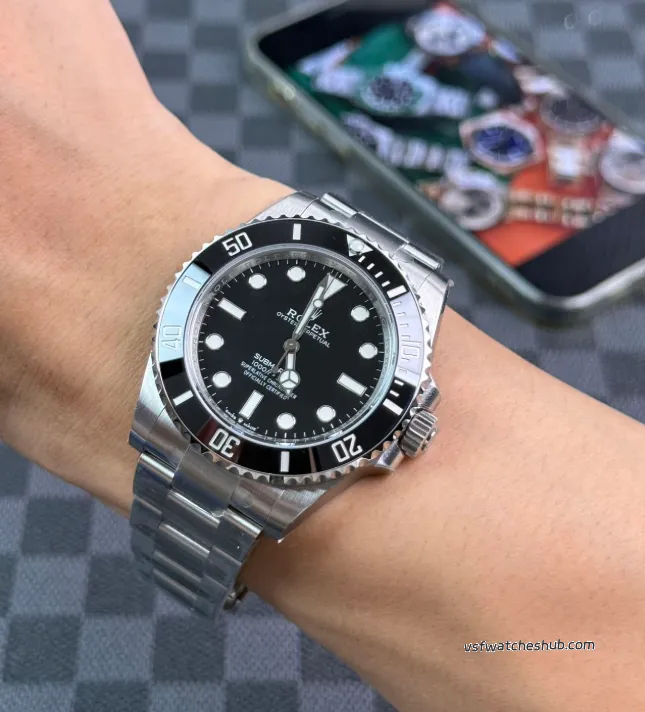
Notice the Daytona’s the most expensive — that’s because the Dandong 4130/4131 chronograph movement is the most complex clone caliber in production. Fully functional chronograph with the correct subdial layout, not a decorated non-functional movement. More engineering, more cost.
Sweet spot for most first-time buyers? A VSF Submariner 41mm. The Dandong 3235 inside it is the most battle-tested clone movement in the industry, and the 126610LN/LV models have been refined through multiple production runs. Out of the last 50 we shipped, not a single one came back.
Someone quotes you a “super clone Submariner” for $200?
You’re not getting super clone. Full stop.
Should You Buy a Super Clone Watch — My Honest Answer After a Decade in This Business
I sell these watches for a living. Take this with that context. But I’ve also turned down carrying certain factories and products because I don’t want the headache of unhappy clients — so my perspective has some weight.
A super clone is worth it if you understand what you’re buying. You’re getting a watch that looks identical to the genuine on your wrist, uses the same grade of materials, runs on a movement that’ll last years with zero maintenance, and costs 5–10% of retail. For a lot of my clients — professionals in their 30s and 40s who appreciate watchmaking but don’t want to drop $15,000 on a Daytona — that’s an easy decision.
A super clone is not worth it if you’re buying it to “fool” people. That’s not the point, and anyone going in with that mindset will be paranoid every time someone glances at their wrist. My happiest repeat buyers are the ones who genuinely love the design of a Submariner or a Royal Oak, wear it daily without overthinking, and enjoy the craftsmanship for what it is.
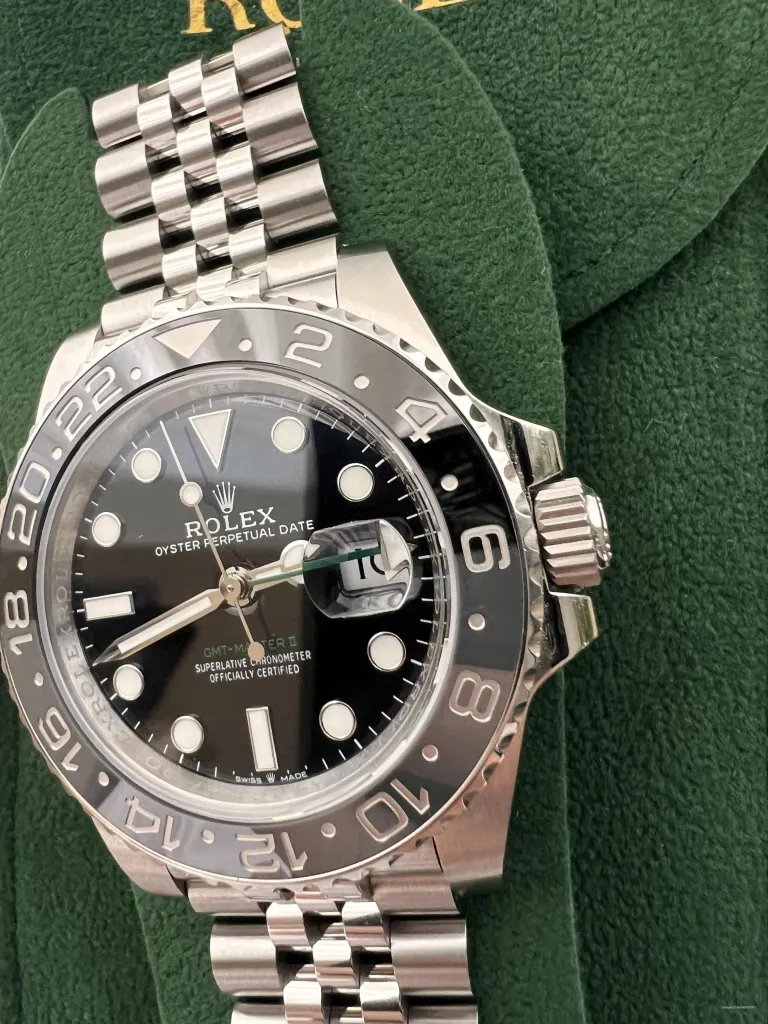
Straight up: do your research before you spend a dollar. Know the factory. Know the movement. Know the seller. If those three check out, a super clone watch is one of the best value purchases in the watch world right now.
Still figuring out where to start? A VSF Submariner or Seamaster 300M. Those two are the safest bets in the game. Proven movements, proven build quality, proven resale if you ever want to pass it along.
Been doing this for ten years.
That recommendation hasn’t changed once.
Related Products

Ray Li——VSF
RELATED POSTS
VSF Omega Aqua Terra 150M Review: VS8800 Movement vs Genuine (38mm & 41mm)
Are Swiss Replica Watches Real? The Truth About “Swiss Movement” Claims in 2026
Is the VSF Rolex Air-King 126900 Worth Buying? An In-Depth Super Clone Review
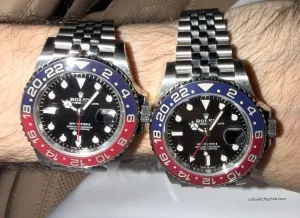
Best GMT-Master II Replica in 2026: Pepsi, Batman, Sprite, Root Beer & Grey — Factory Buyer’s Guide
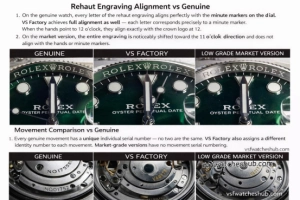
Which Is Better: VS Factory or Clean Factory Replica Watches?